A film photographer reflects on the serene beauty of Aomori's snowy landscapes and embraces the creative journey without immediate feedback on their work.
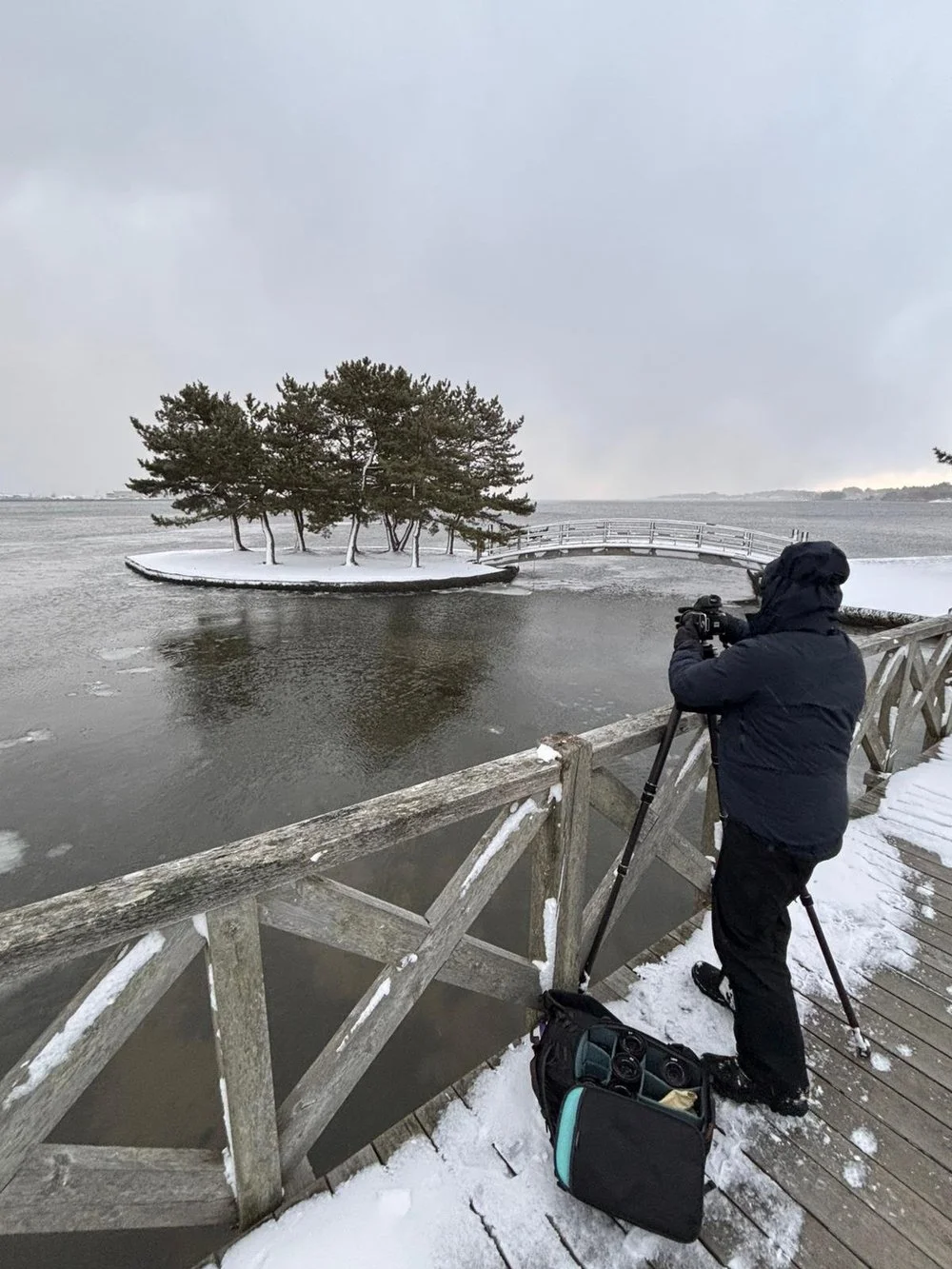
During my recent trip to Aomori, I encountered one of the most wintery and snowy environments I have ever experienced in northern Japan. The stark beauty of the landscape was breathtaking, transforming the region into a serene winter wonderland. This visit marked my third journey to Aomori, but the heavy snow this time created a remarkable visual atmosphere that was simply unforgettable.
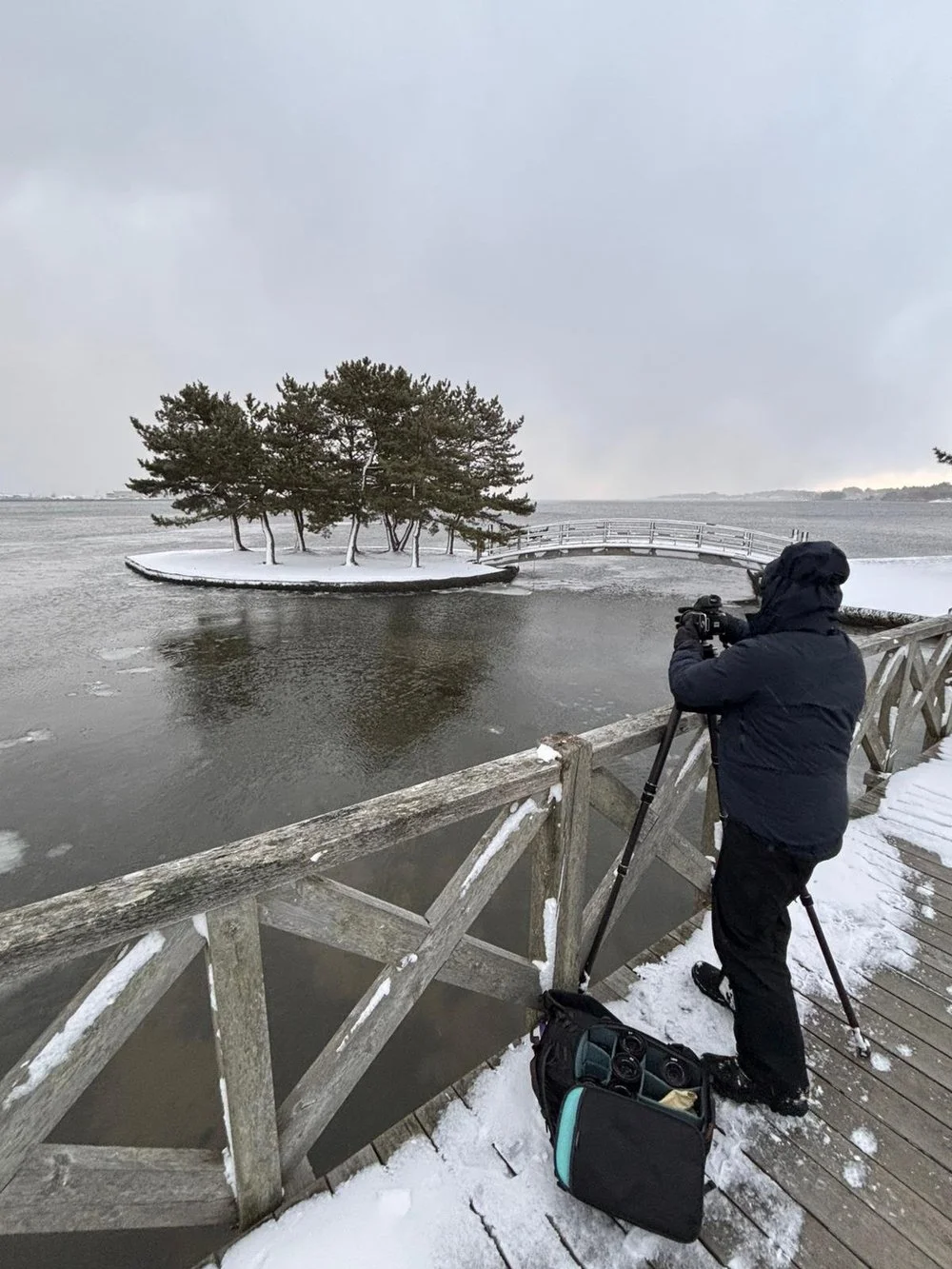
The snow-covered trunks of trees contrasted beautifully with the mottled reflections in the frozen Sea of Japan, allowing for striking compositions.
As a film photographer, I often find myself relying heavily on my memories of the images that resonate most during my shoots. Unlike digital photography, where one can instantly review captured images, film forces a different relationship between the artist and their work. Each click of the shutter leaves a lasting impression and a sense of anticipation, as the results won’t be visible until the film is developed.
Embracing the Limitations of Film
This delayed gratification carries both challenges and benefits. Without the ability to instantly assess my work, I find myself free from the pressure to critique each shot as I go. This detachment allows me to immerse myself in the moment and enjoy the creative process without distraction. The evening after shooting is spent appreciating the surroundings rather than anxiously scouring through images for errors.
The core of my philosophy lies in acceptance. Whatever images I have captured will only be revealed upon returning home, and there’s a certain freedom in that unknown. It relieves the artist of the immediate burden of judgment and perfectionism. Instead, I remind myself to nurture my creativity, treating my rough edges and missteps with kindness. Photography, after all, is not just about the results; it's about the journey and the experience of creation.
The Role of Compassion in Art
In the creative world, self-compassion is essential. I've learned that dealing with aspects of my photography that may not align with my original vision is easier when I approach these moments with kindness rather than harshness. A missed shot or a poorly composed image shouldn’t be seen as failures to chastise oneself over but rather as essential parts of my artistic evolution. Embracing mistakes allows me to learn and grow without stifling my creativity.
This philosophy is particularly relevant when exploring wondrous landscapes like those in Aomori. The stunning visuals of snow-laden trees against the dazzling backdrop of the frozen sea invite all sorts of imaginative compositions. They require a keen eye for light and texture, as the interplay of shadows and highlights can make or break a portrait of nature in such conditions. The challenge, then, is to engage fully with the scene, allowing the environment to inspire rather than intimidate.
Composition Tips for Winter Photography
When photographing snowy landscapes, consider several compositional techniques to enhance your images. Firstly, pay attention to the foreground. Snow drapes trees and rocks, creating intricate textures and patterns that draw the viewer's eye. Incorporating these elements can provide depth to your photographs. Additionally, capturing reflections in the ice or water can add an enchanting quality; look for interesting lines and shapes that create dynamic compositions.
Lighting is also a vital component. Soft, diffused light, typical during overcast winter days, can create a gentle, ethereal feel in your photographs. On sunnier days, be mindful of the harsh contrasts that the bright snow can create; using a polarizing filter can help manage reflections and enhance colors. Experiment with angles to find the most compelling perspectives that highlight the beauty of the landscape.
Conclusion: The Journey Ahead
Returning to Aomori, I've been reminded of the powerful connection between photographer and environment. Each journey continues to cultivate patience and understanding towards my craft. While the snow-covered landscape might seem unyielding and cold, it holds within it a bounty of inspiration and opportunity to explore one's creative depths. I look forward to developing my film back home, excited to see how my impressions translate into tangible memories. The adventure doesn’t end with the click of the shutter; it continues to unfold in the developing process, revealing the beauty and character hidden within each frame.


