Rick Rubin's "The Creative Act" reveals profound insights on creativity, emphasizing internal exploration over traditional methodologies, making it essential for every creator.
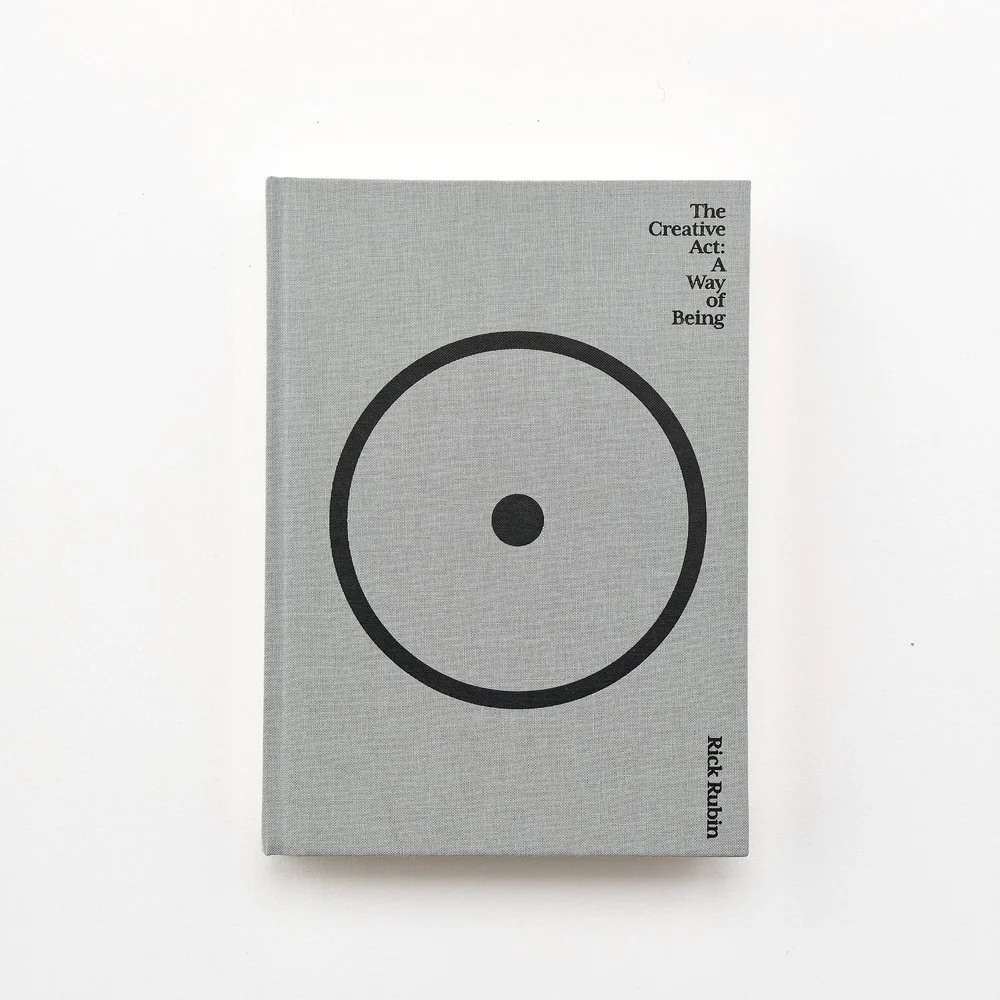
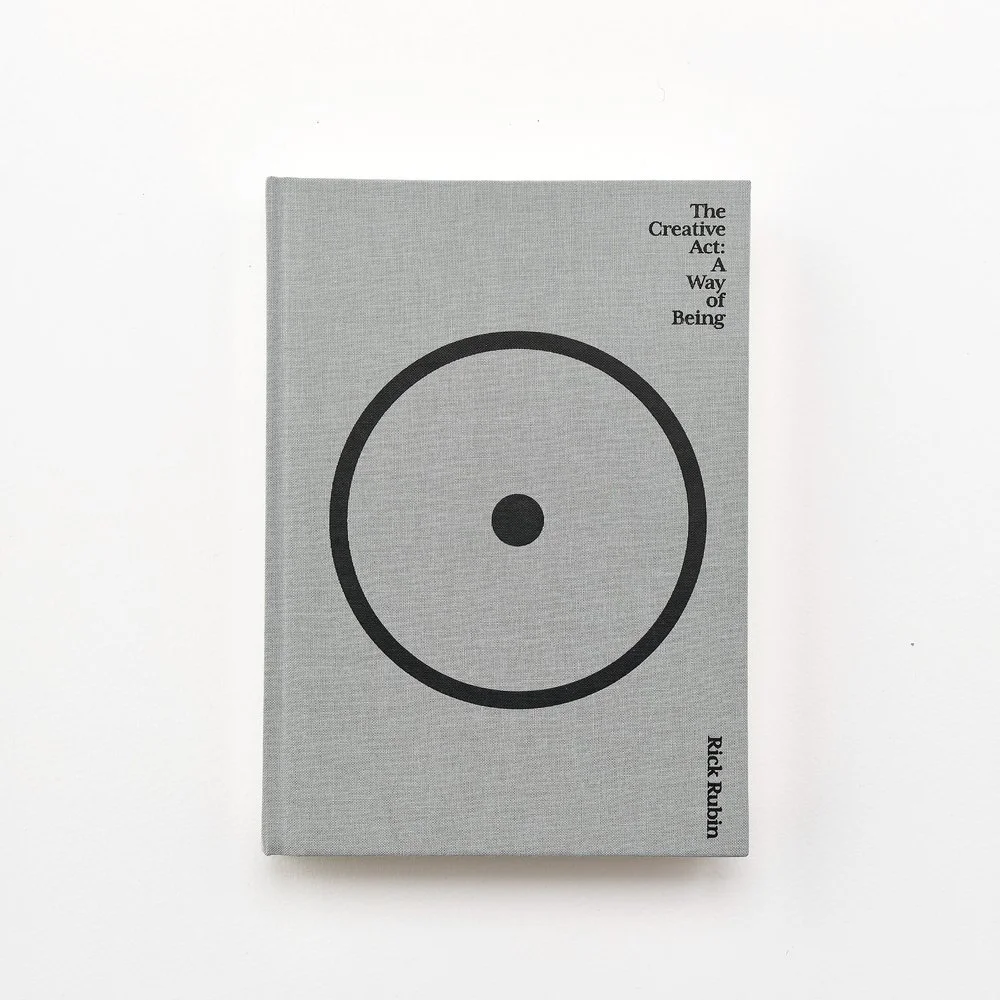
Rick Rubin, renowned music producer, dives deep into the essence of creativity with his compelling book, "The Creative Act." This work stands out as one of the most significant explorations of creativity, offering a thoughtful perspective that resonates with both seasoned professionals and those just beginning their creative journeys.
Understanding Your Creative Nature
Rubin argues that creativity is an inherent trait shared by everyone, though many struggle to recognize and cultivate it. He prompts readers to tune into their thoughts and feelings, advocating for increased awareness of the ideas and impulses that surface regularly. By fostering a deeper connection with one’s intuition, individuals can unlock their artistic potential. Rubin emphasizes that creativity is not confined to a selected few; it is fluid and accessible to all who choose to engage with it.
The Process Over Product
One of the standout sections of "The Creative Act" discusses the importance of the creative process over the final product. Rubin suggests that artists create primarily for themselves, where the act of creation holds greater value than the completed piece. This perspective provides a liberating understanding for many creatives, especially those who grapple with perfectionism or external validation. Rubin’s philosophy encourages artists to immerse themselves in their work, reinforcing the idea that each project provides critical learning opportunities, regardless of the outcome.
His reflections on moving past completed works are particularly insightful. He urges creatives to let go of finished projects and not dwell on them, which can be a common pitfall. Instead, Rubin highlights that allowing for evolution in one’s creative practice promotes growth and progress. When artists focus on the act of creating rather than fixating on finished results, they are more likely to produce authentic and meaningful work.
Creating a Personal Environment
Rubin’s explorations extend beyond just internal feelings; they also encompass how external environments can influence creativity. He shares anecdotes about various artists and their unique working conditions. For instance, he notes that Picasso thrived in chaotic surroundings, often painting while simultaneously engaged with music, television, and more. Similarly, EMINEM finds inspiration with the television playing in the background as he writes. In contrast, some artists, like renowned photographer Michael Kenna, prefer solitude and silence to stimulate their creative flow. Rubin suggests that finding one’s optimal creative environment is essential to nurturing inspiration.
This discussion encourages readers to experiment with their settings and see what works best for them. It's a reminder that there’s no universal method that applies to all; each artist must discover their preference and comfort zone.
Trusting Your Instincts
At the heart of Rubin’s philosophy is the idea of trusting one’s instincts. He discusses how creativity often involves taking risks, changing directions, and being open to new possibilities. Artists must learn to listen to their intuition and follow their passions, even when they deviate from established norms or expectations. This sense of flexibility is crucial for fostering creativity. Rubin implies that resisting these urges can stifle one’s artistic development, and being receptive to inspiration can lead to unexpectedly fruitful paths.
A Philosophical Insight into Creativity
This book aligns with my personal view of creativity, wherein I prioritize the philosophical aspects over the technical “how-to” approaches. Rubin adeptly captures this sentiment, inviting readers to engage in a reflective journey about their creative practices. The tone of the book is conversational yet profound, making complex ideas accessible to a broad audience. For many, reading "The Creative Act" acts as a validation of their own experiences, with Rubin echoing sentiments that resonate deeply within those who walk a creative path.
A Must-Have for Creatives
The insights conveyed in "The Creative Act" extend far beyond music and art; they are applicable across various creative fields. Rubin's emphasis on fostering internal awareness, embracing versatility, and understanding personal creative environments marks this book as an essential addition to any creative’s library. It serves not only as a companion to those navigating their artistic endeavors but also as a source of inspiration for anyone ready to explore their creative potential.
A copy of this book should indeed find a place on every creative’s bookshelf, encouraging continuous exploration of artistry and self-expression.


