Explore the pivotal role of editing in photography, learning how to refine your images and push your creative boundaries effectively.
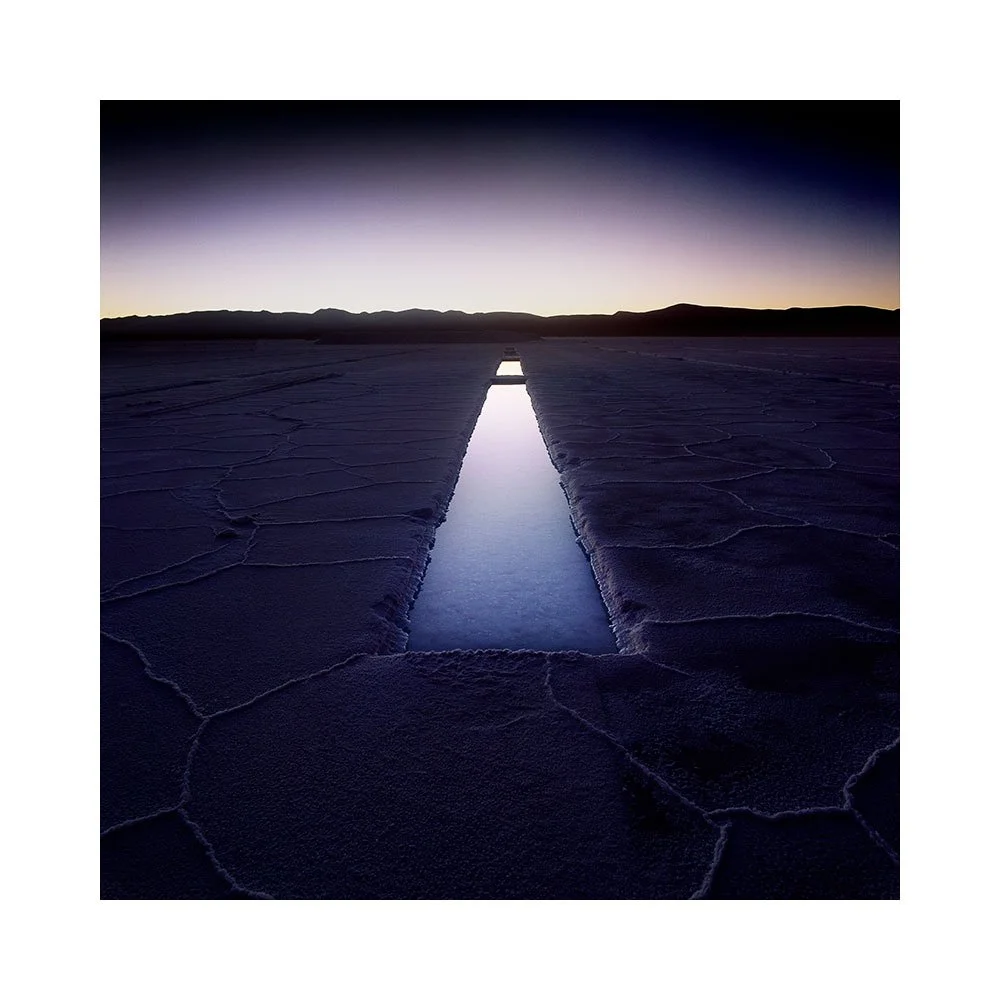
The editing stage is often underappreciated in photography, yet it's equally creative and essential as the capture phase. Many photographers, especially newcomers, fixate on the mechanics of taking the shot, believing that's where their most significant growth lies. However, mastering editing can profoundly elevate your images and help articulate a unique vision.
Throughout my journey, I’ve aligned my editing style with traditional darkroom techniques, using methods such as dodging and burning. These analog practices enhance visual storytelling by guiding the viewer's eye and emphasizing the focal subject, while subtly nudging less important elements into the background.
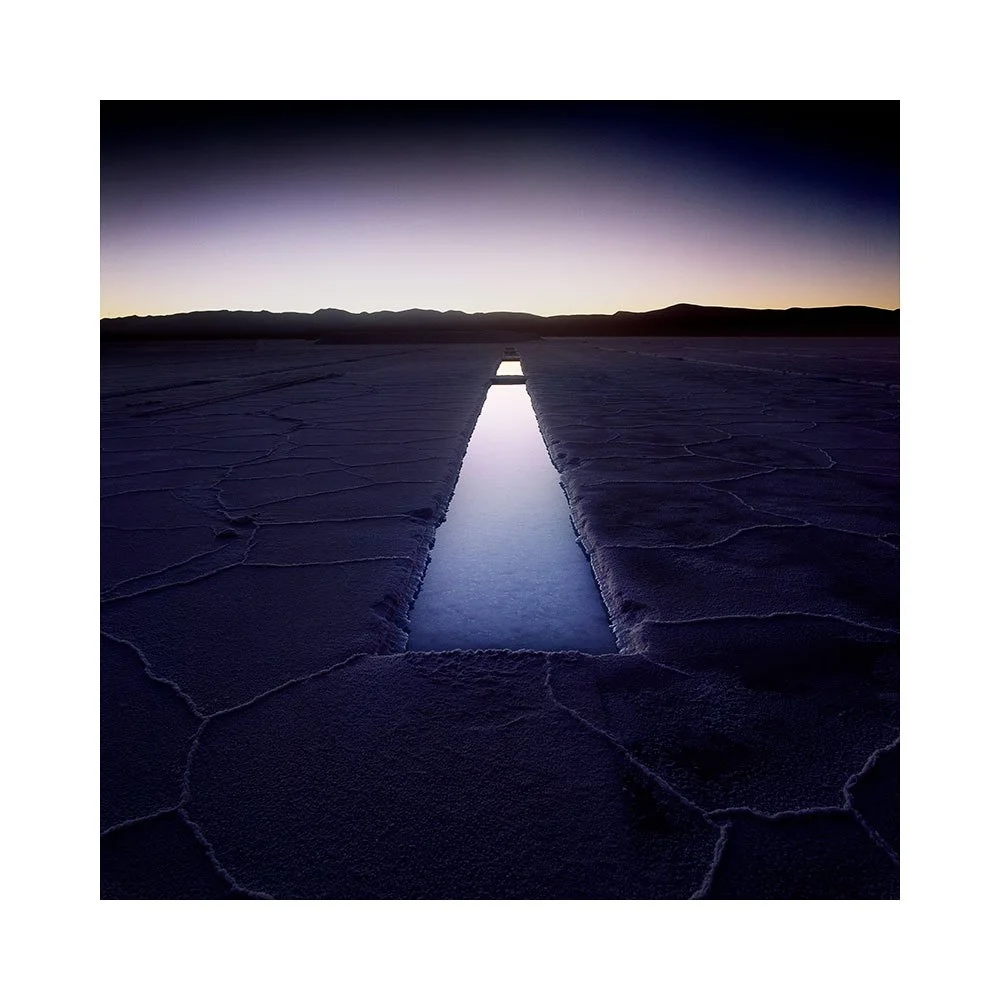
Editing should not be misunderstood as a mere post-production fix; it's an artistic opportunity. Through this process, photographers can learn about composition, discover what works, and identify elements that don’t fit—the kind of insight that transforms good photographers into great ones. It’s similar to piecing together a jigsaw puzzle: each edit reveals how the elements interact, and understanding these relationships is crucial for future compositions.
When approaching edits, it's vital to ask why certain images fail. Rejecting unsuccessful images outright without critical reflection deprives you of the learning that can be gained from understanding compositional errors or exposure issues. Learning to select robust source material is essential; you’ll find that scenes with harmonizing tones and clear focal points ease the editing process significantly. Bad compositions often lead to futile attempts at salvage during editing: if the foundation is weak, the final image will reflect that.
As I’ve progressed as a photographer, I’ve come to appreciate that editing is a skill requiring patience and continual refinement. Just like developing a keen eye for composing in the field, becoming proficient at editing takes time and dedication. This skill isn’t something mastered within a few months; it’s an ongoing journey, eternally evolving as you experiment and encounter new challenges.
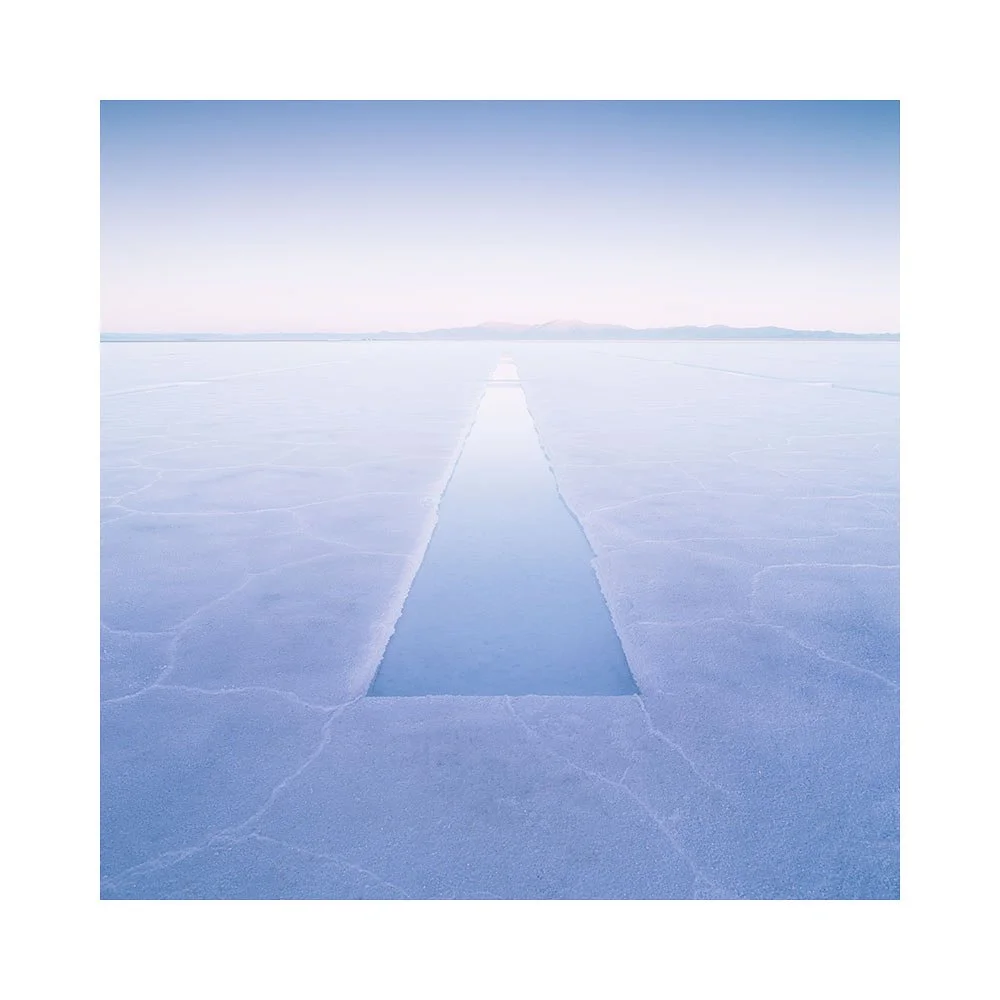
As you practice, it becomes apparent that pushing the boundaries of your editing capabilities is fundamental to progress. A significant part of this endeavor involves identifying personal limits. Many photographers unknowingly confine themselves, favoring what feels safe and familiar, which can hinder artistic growth.
Understanding how far you can push an edit is akin to discovering a previously untapped physical strength. Many of us are unaware of our potential until we’re encouraged to reach beyond our established comfort zones. I recommend using reference images to challenge your perception. The human eye can deceive, convincing you that a composition is more dynamic than it is. Cross-comparing with exemplary images often reveals areas where you could enhance your own work further.
Embracing discomfort and exploring new techniques fosters growth. Over the years, I’ve developed a set of go-to techniques that I regularly apply. Often, what I initially perceive as a completed edit is just the beginning. Each successive adjustment brings me closer to the vision I strive to achieve.
Finding these techniques can involve experimenting with various software, testing different tools, and adjusting settings to see how they alter your images. Whether it's fine-tuning contrast, adjusting color balances, or experimenting with textures, each step reveals something new about your style and preferences.
It's essential to not shy away from editing challenges; instead, lean into them. As you delve deeper into both your capture and edit stages, you will learn just how symbiotic these processes are. Every tweak teaches you about your creative language and helps clarify your visual intent.
Lastly, as you advance in your photography career, the ultimate goal becomes merging your personal aesthetic with the technical understanding gained through experience. This balance between creativity and technical proficiency will lead to more impactful images, allowing your voice to resonate more powerfully through your work.
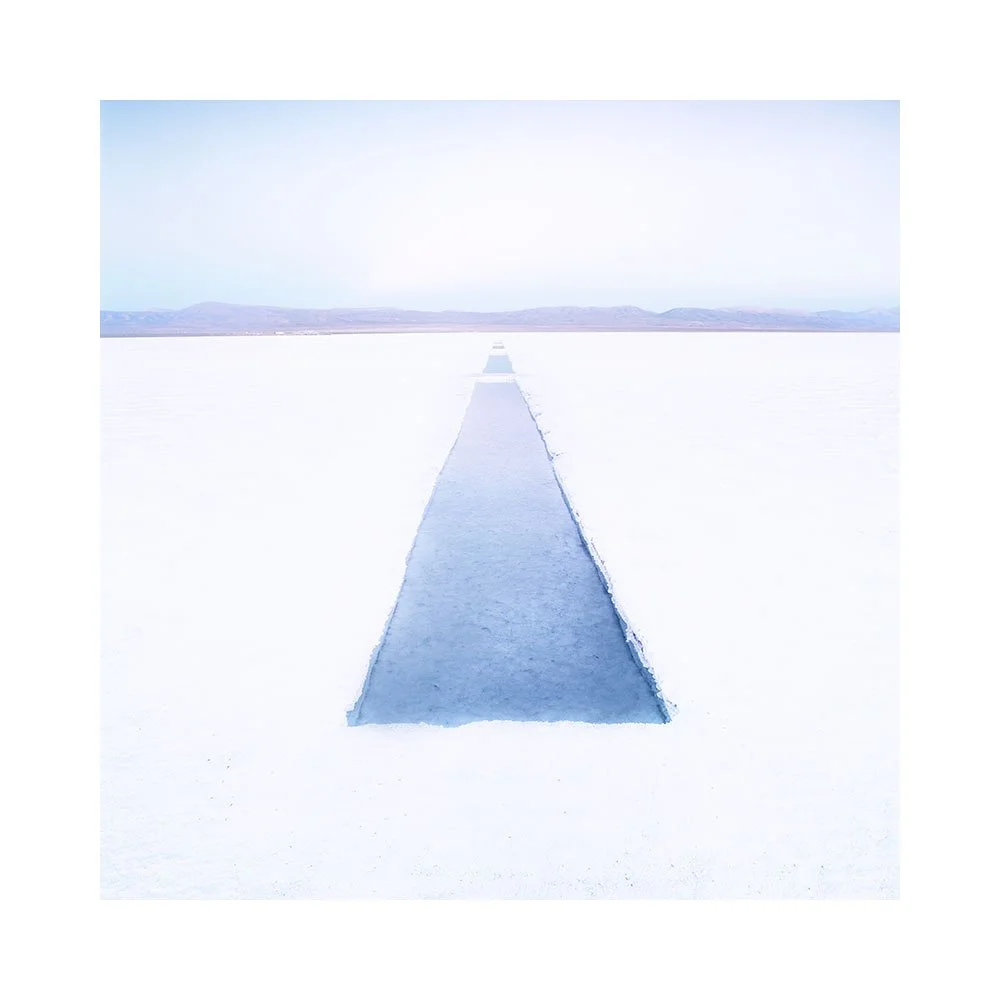
In conclusion, view editing not just as a step in the workflow but as an integral phase of your artistic expression. It’s a place where boundaries can be explored and expanded, ultimately leading to a more profound understanding of photography as a whole. Keep pushing those limits; your best work is often just one more edit away.


