This article delves into the transformative experience of photographing the Salar de Uyuni with water, emphasizing reflections, light, and color gradations.
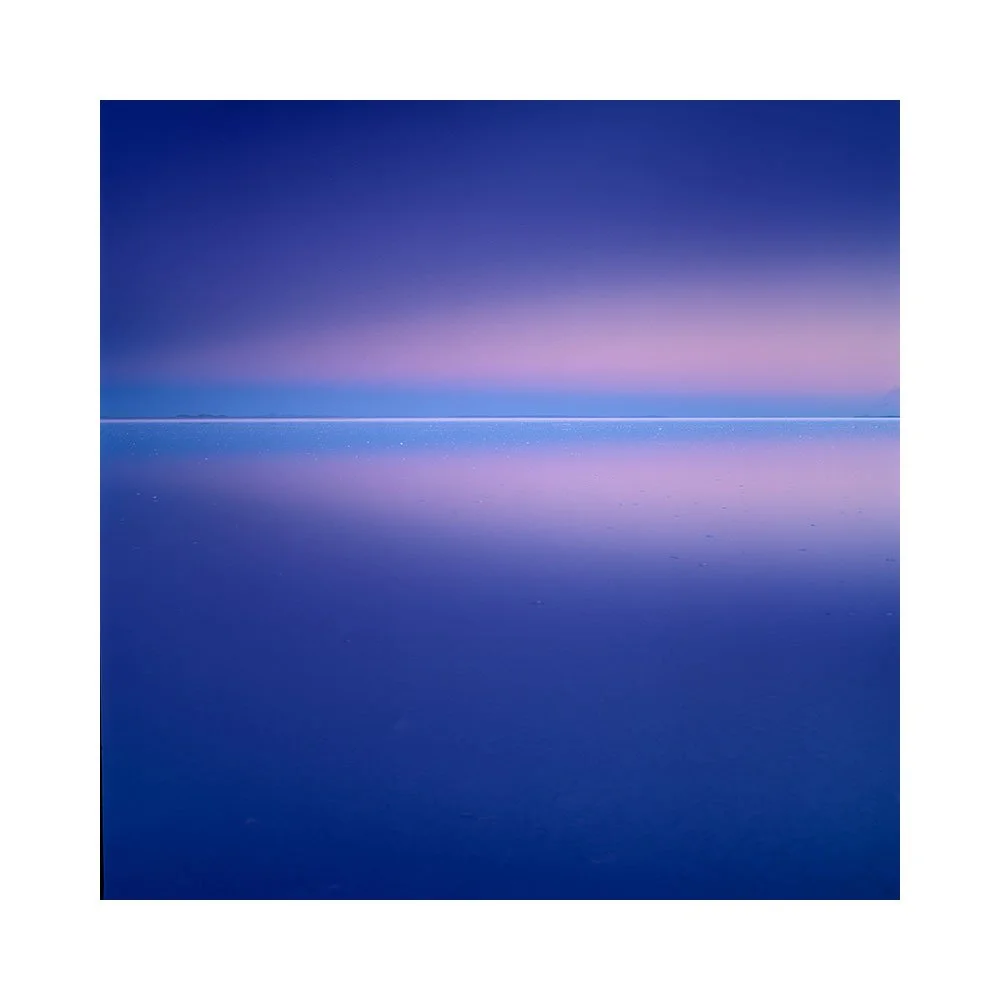
The Salar de Uyuni, a vast salt flat in Bolivia, transforms dramatically under specific conditions—especially with the presence of water. This season, a rare sight unfolded as delicate patches of water lingered on the surface, creating an extraordinary opportunity for photographers to capture unique reflections and the ethereal quality of light.
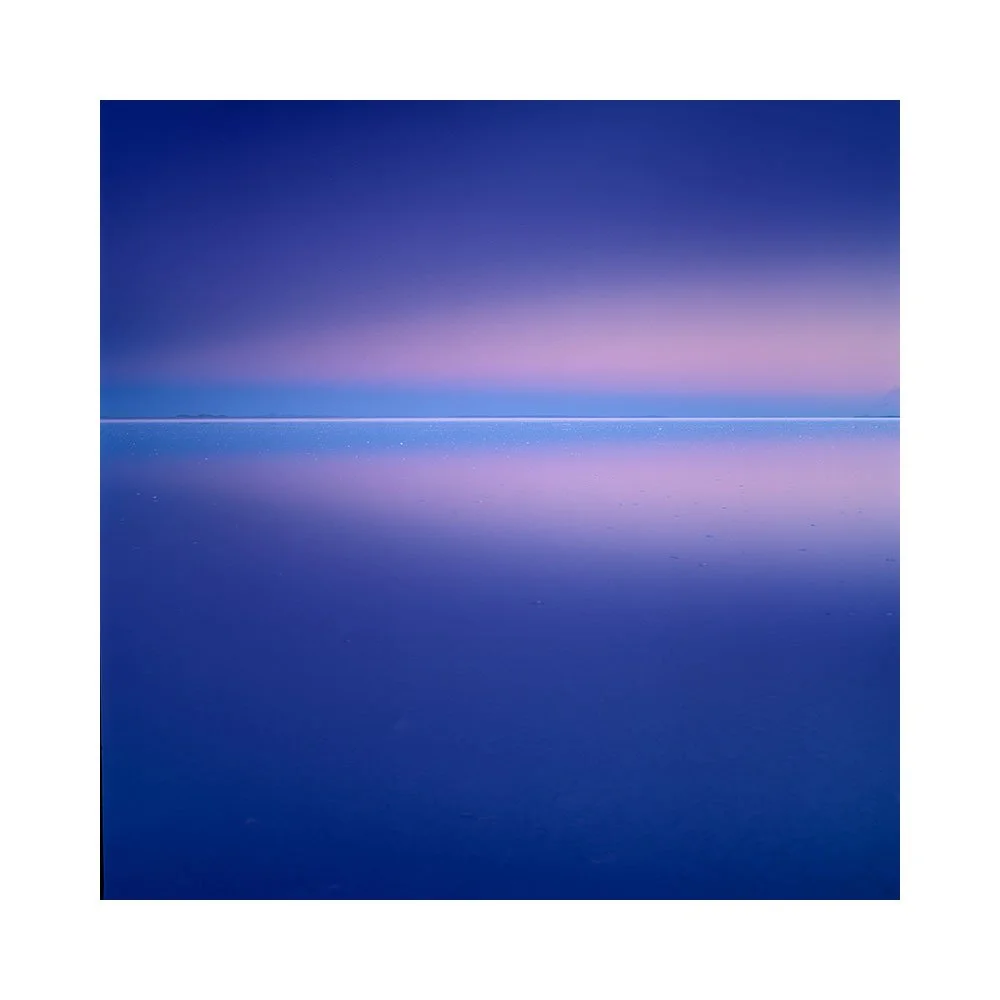
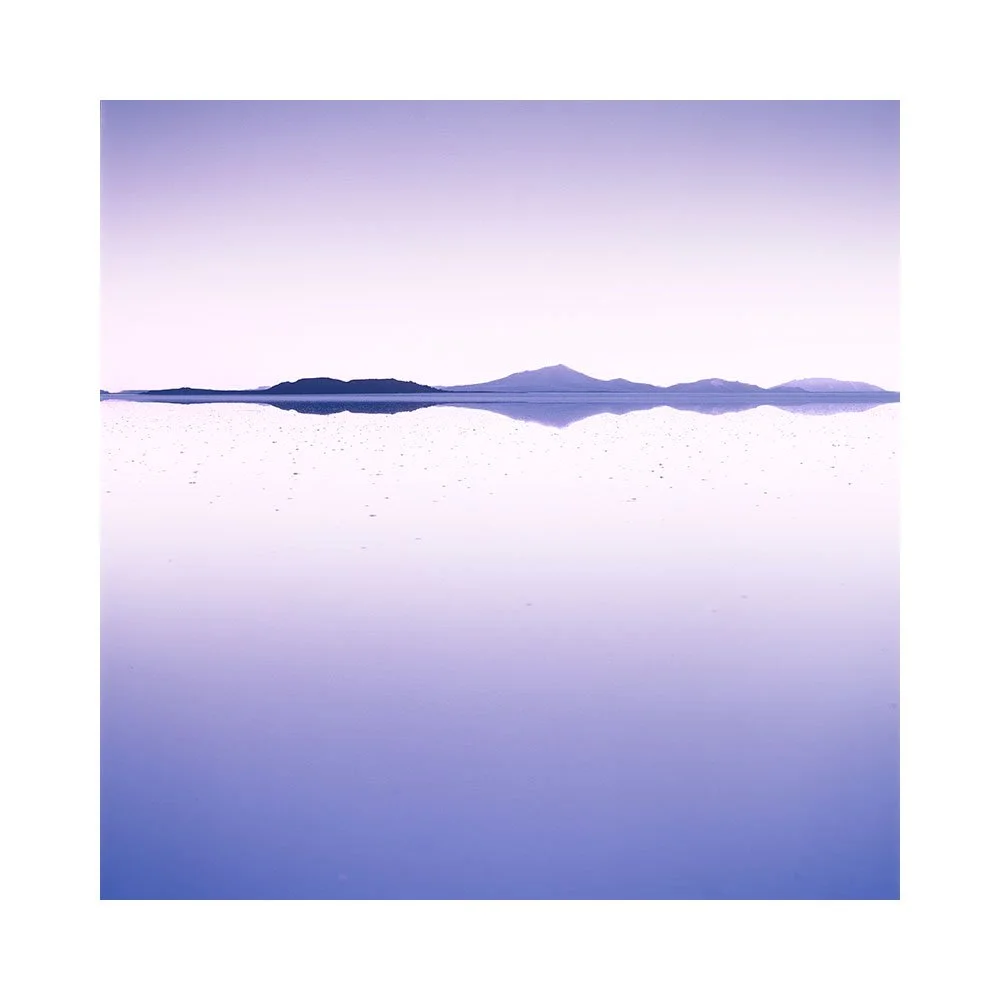
Photographers Vera, Tommy, Pete, and James ventured onto the Salar, where just a few inches of water created an almost surreal atmosphere. Under the evening light, the reflections became perfect mirrors, offering an expansive backdrop and fascinating compositions. The water—no more than two to three inches deep—was ideal, allowing for breathtaking tranquility without the disturbances of waves. This calmness fostered the kind of stillness that invites deeper contemplation in both the photographer and viewer alike.
The Beauty of Imperfect Weather
Typically, photographers flock to the Salar during the dry season for its iconic cracked salt patterns. However, the inherent unpredictability of weather can yield unexpected results. This year's unique climatic conditions—a mix of residual wet season water and fluctuating temperatures—sparked a deeper exploration of the region's visual potential. This element of surprise creates a fascinating dynamic within the photography community, urging photographers to consider not just the expected beauty but also the throughline of unpredictability in nature. The area they found, about five square kilometers, became a canvas for captivating reflections, showcasing nature’s ability to surprise.
Photographers often seek out locations like the Salar de Uyuni not only to capture stunning visuals but to immerse themselves in the natural ebb and flow of the environment. This creative exploration often leads to novel outcomes, making each photographic experience distinct. Actually, the ever-changing nature of the terrain nourishes a sense of spontaneity that many photographers cherish. It's this unpredictability that can yield images rich in atmosphere and life, challenging the more conventional approaches of staged shoots or strict compositions.
Finding Space in Gradations
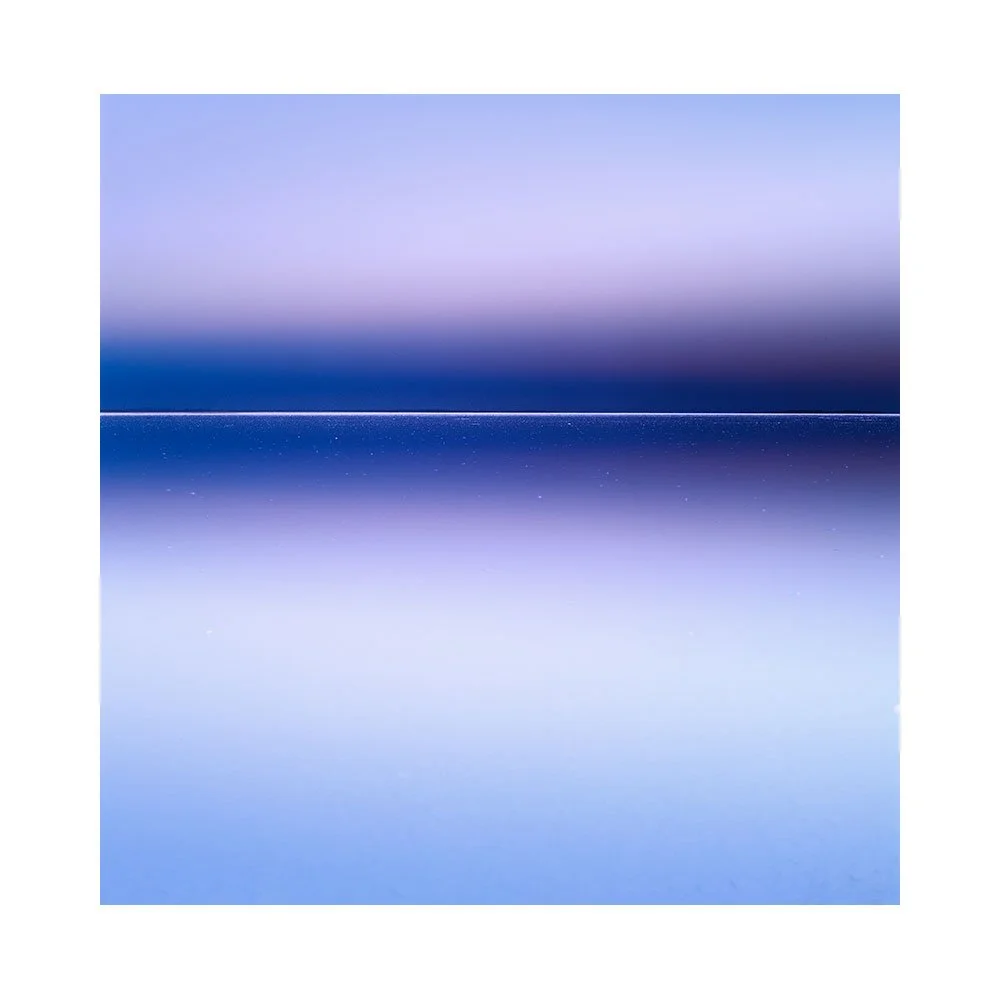
As the photographer strolled along the mirrored surface, a profound sensation of walking on water emerged. This experience opened avenues of appreciation—not just for the specific section of the Salar they occupied, but for the expansive quality of the sky and the subtle transitions within it. The reflections encouraged a closer inspection of light and tonal shifts, which ultimately guided the selection of images captured throughout the journey.
The resulting photographs reflect a personal inclination towards "less structure and more space," allowing tones to stretch and meld together with gradual variances. This shift in focus—embracing the gradation of color and light—reflects a poignant realization for the photographer: it’s less about the subjects and more about the essence of light and its transformative qualities. Here’s the thing: the minimalism in subject matter shifts the viewer’s attention from the obvious to the subtle—an artistic choice that invites contemplation.
In this environment, the meaning of space transforms entirely. The boundless horizon, combined with the reflective water, creates a feeling of infinity that adds emotional weight to the images. This kind of exploration breeds a profound connection between the photographer and their work, revealing the quiet power of nature to evoke feelings. (And this is the part most people overlook.) The ability to recognize and capture this nexus of light, water, and sky can redefine what a photograph can communicate.
The Essence of Photography: Light and Color
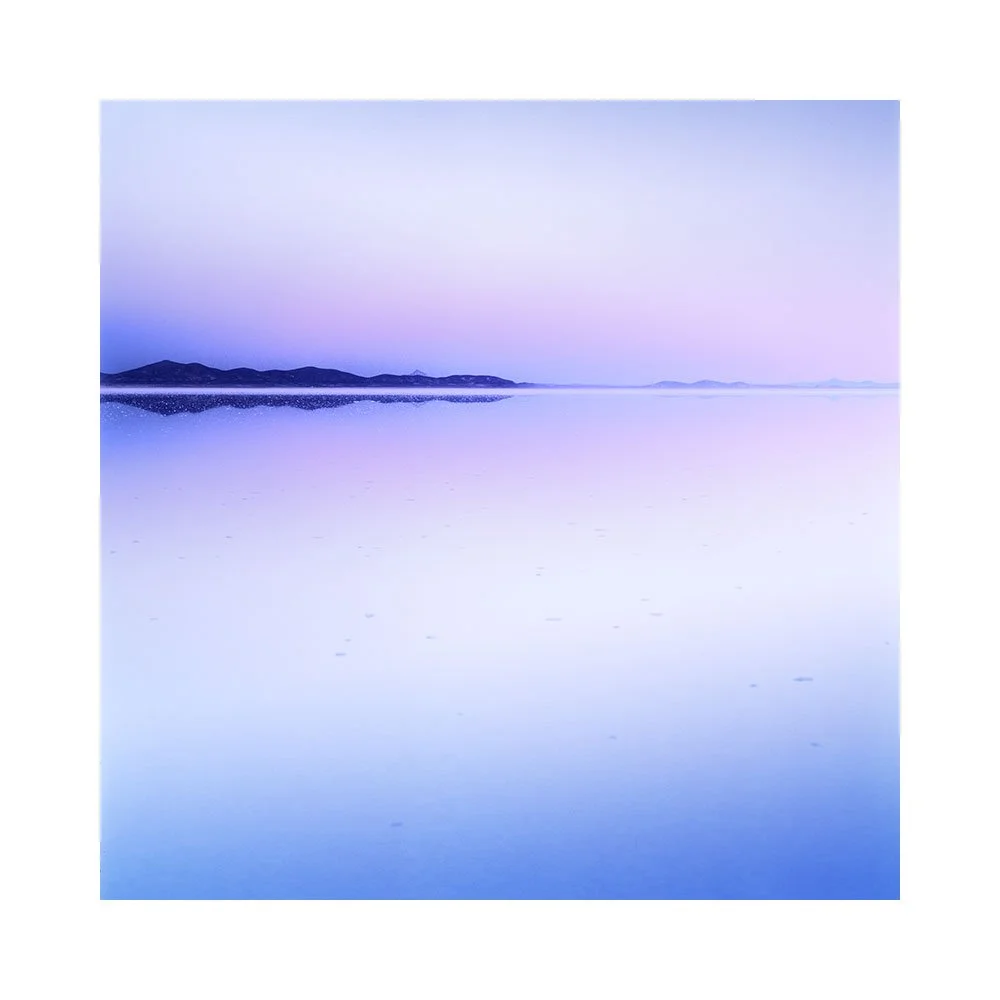
Initially, this photographer believed their pursuit of photography stemmed from the experiences that the craft afforded. However, a deeper introspection has unveiled a reverence for the nuances of color, light, and the gradation of time. It’s a journey into not just the capturing of moments but also an exploration of how light and tones evolve over time. The interplay of luminosity transforms each scene into an expressive narrative. It's much more than merely clicking a shutter; it's about understanding and interpreting how light behaves in natural settings. This fundamental understanding can make or break a photograph.
This realization pushes the boundary of traditional photography, prompting an important reflection: when conventional subjects are stripped away, what remains is the beautiful complexity of light itself. Photographers find that being attuned to these transitions ignites a passion for capturing the world through a lens that prioritizes the quality of light and its shifting hues—a heart of photography in its purest form. It can be a daunting undertaking, as capturing the intangible is no small feat.
The Implications of Capturing Nature’s Surprises
Ultimately, the experience on the Salar de Uyuni serves as a reminder to embrace what the environment offers and to remain receptive to unexpected changes. Photographers are encouraged to utilize the present conditions to uncover new layers of creativity, pushing their boundaries. The manifestations found in nature's dynamic states yield some of the most visually striking images. This perspective can profoundly change how one approaches not only photography but also art as a whole.
If you're working in this space, consider how you might apply this flexibility to your practice. The world is in constant flux, and so too should be your approach to capturing it. Embracing uncertainty often leads to the discovery of fertile grounds for innovation—an avenue full of potential, ready to be explored. The evolving climate of both the natural world and the digital photography space invites photographers to experiment, adapt, and redefine their creative processes. What this means for you is a chance to transform your work with a fresh outlook, expanding the limits of your artistic expression.


