Examining old images can reveal your growth as a photographer, showcasing how your skills and artistic vision have evolved over time.
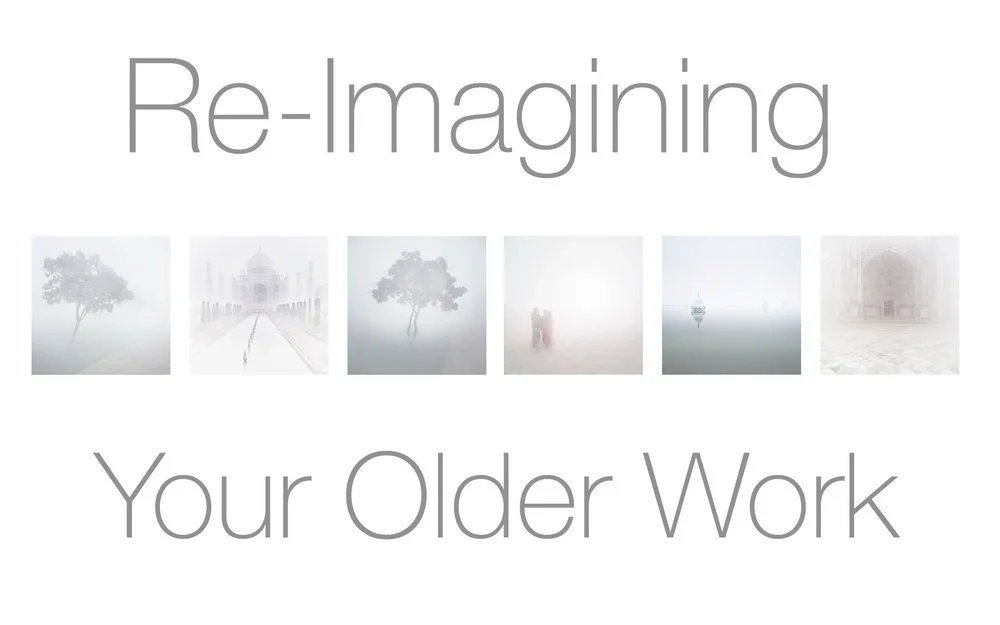
As photographers, we often find ourselves grappling with our past work. Sometimes the shoot goes well, yet our editing leaves us unsatisfied with the outcome. It raises the question: is the work genuinely flawed, or is it simply that my skills at that moment didn’t allow me to realize its potential?
Distinguishing between a bad concept and a good one poorly executed can be challenging, especially when lacking the technical capability to bring the vision to life. It's easy to fall victim to self-doubt during the editing process, where we question our choices and taste.
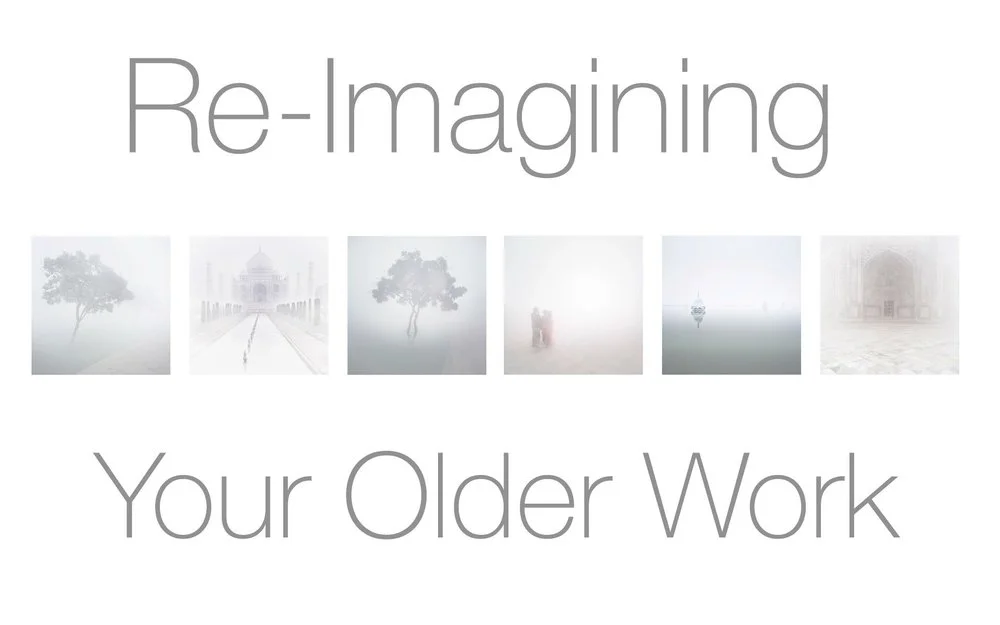
Take, for example, my early photos of the Taj Mahal, shot in 2009. Those images rested in the archives, unsatisfactory and untouched, because I couldn’t pinpoint whether they were inherently lacking or if I simply hadn’t developed the necessary skills at the time.
Reflecting on those older images today, I realize they contain merit that I was unable to recognize back then. My skills in achieving effective contrasts and managing tonality were quite basic. I mistakenly believed that increasing darker contrasts would create a dramatic feel, but instead, I ended up with muddy images that lacked clarity and focus.
Learning from the Journey
Over the years, I've come to appreciate how certain conditions, like fog, can lend themselves to unique editing opportunities. Foggy settings can diminish detail and invites a different approach. I often experiment with pushing images towards a hi-key style, an intentional choice to layer softness over sharpness.
Reworking the Taj Mahal images with this refreshed perspective was enlightening. I approached the original edits as if they were artifacts of my past, analyzing them with a critical eye, much like reviewing historical documents. It provided a rare opportunity to gauge my growth as an artist since 2009.
Where my early edits were filled with hesitation, my newer versions radiate confidence. The clarity of intention in my latest edits reflects the experience gained through years of practice and countless similar projects. The evolution feels palpable; it’s a testament to the passage of time and the dedication to honing my craft.
The Power of Intention and Practice
Achieving clarity of intention and effective execution is a skill that can only be developed through sustained practice. After 17 years immersed in photography, the difference between my new edits and my original versions is striking. The happiness I found in the reinterpreted images was only enhanced by the realization of how far I've come.
This exercise provided not just artistic satisfaction but profound insight into the subtleties of progress. Growth in our craft is often gradual, even imperceptible. It takes patience and reflection to recognize just how much we have advanced over time.
Embracing the Journey
Photographers often share a common struggle: we focus on our current challenges without appreciating the journey that brought us here. Re-editing old work allows for a comparison—seeing not only the evolution of technical skills but also changes in perspective, creativity, and expression.
When approaching older photographs, it pays to reflect not just on the mechanics of editing but also on the emotional and artistic intentions that drive your choices today. Reassessing those images can highlight improvements not just in your technique but in your vision. You learn what resonates with you now compared to when you first shot the image.
Ultimately, this process isn't solely about the images themselves; it's about the artist's journey. The enhancement of skills can lead to distinctive interpretations, transforming how you view both your past and future work alike. So, look back on your earlier projects with an open mind; they can serve as a powerful reminder of your development, decision-making, and growth as a visual storyteller.
In closing, recognize that revisiting past works is not merely an exercise in editing. It’s an opportunity to reassess your artistic path, celebrate your progress, and embrace the uncertainties and learning experiences that come with it.


