This piece explores a revisit to Patrington Haven, detailing an early autumn photography session capturing wading birds amidst changing habitats.
This weekend, I ventured back to Patrington Haven, a location I once frequented for photography, particularly during this beautiful time of year. The Outstrays, as it's known, was once a prime site for capturing stunning images of wading birds in their natural habitat. However, over time, the lagoon has undergone significant changes; due to silting, it has developed into a lush saltmarsh, creating a new ecosystem while simultaneously reducing accessibility for waders.
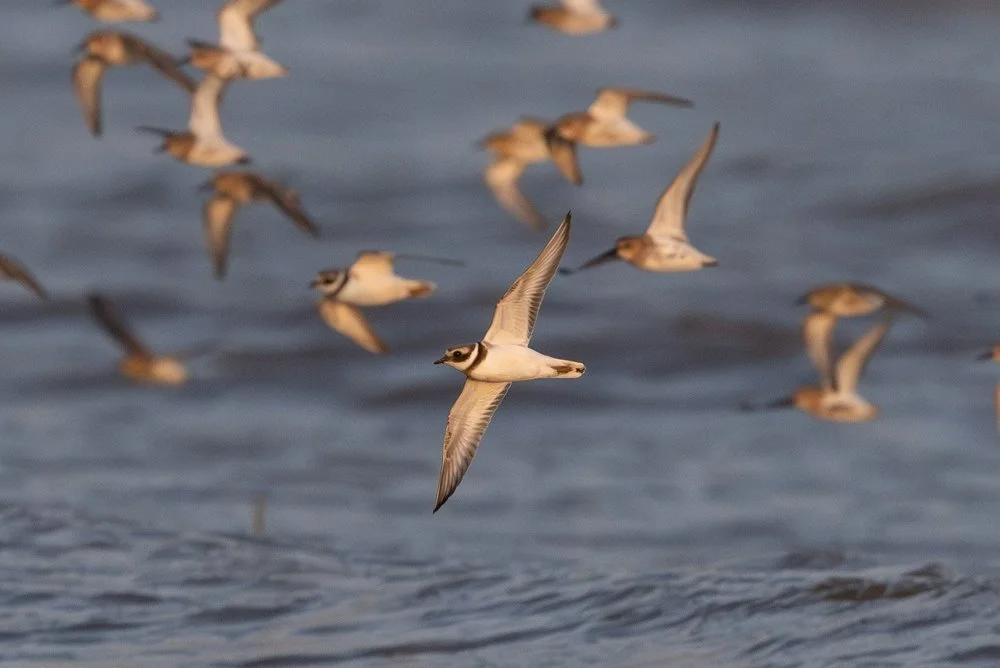
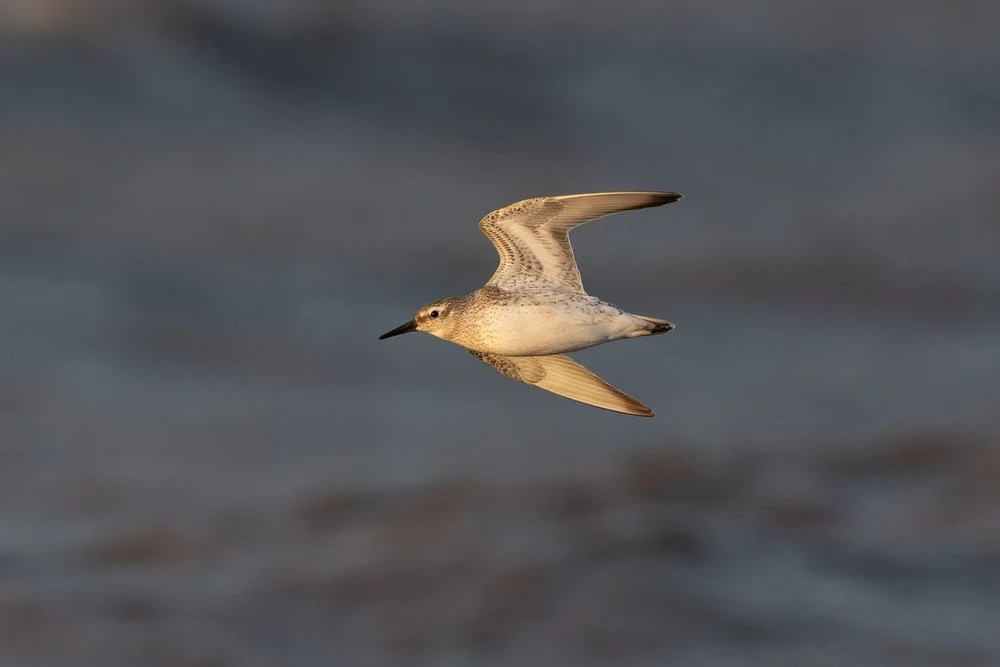
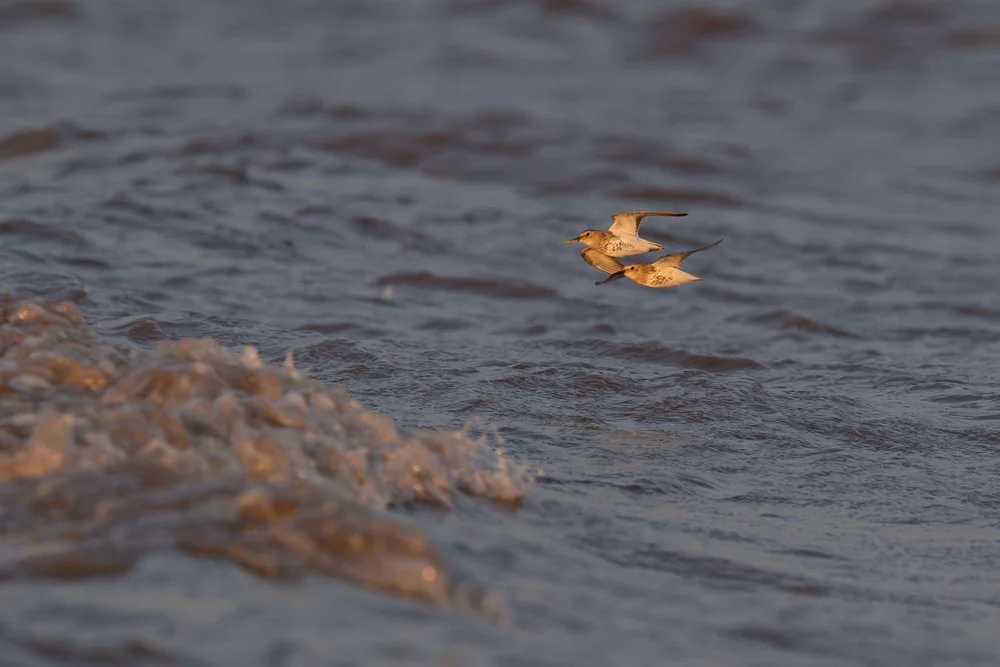
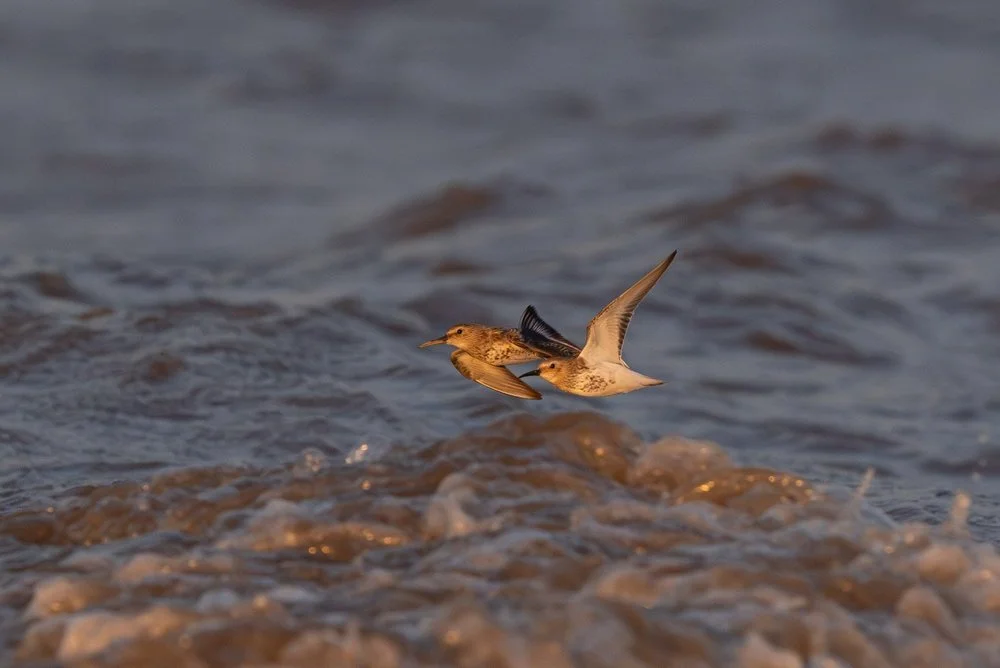
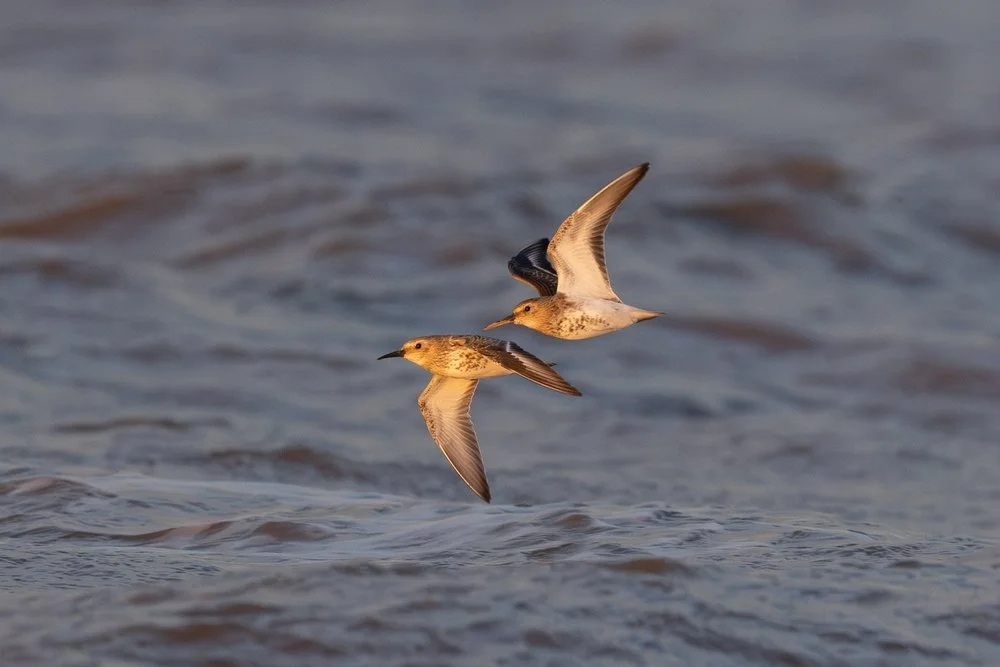
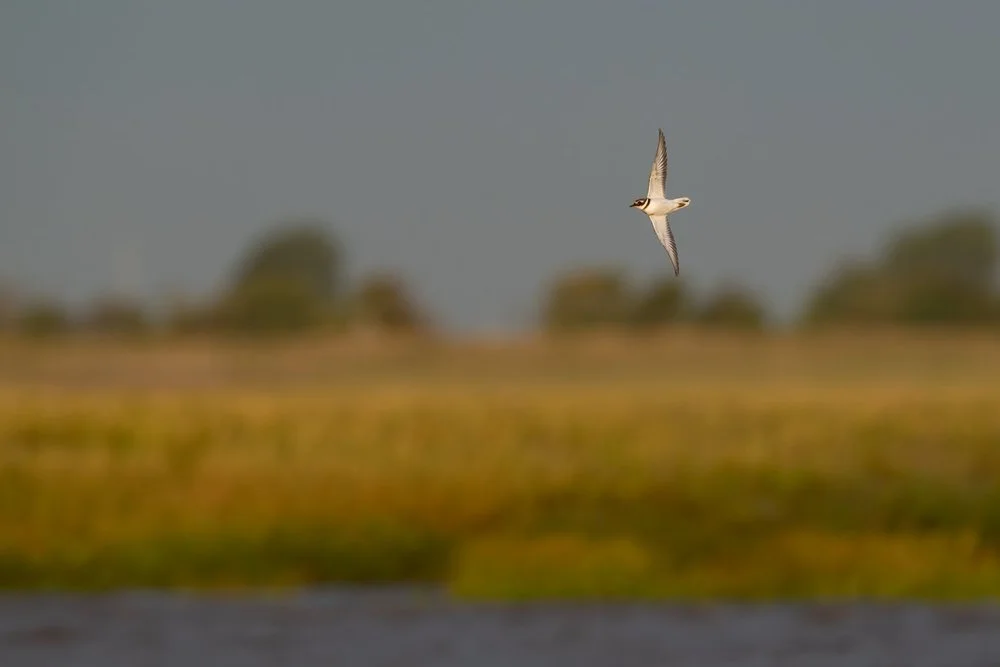
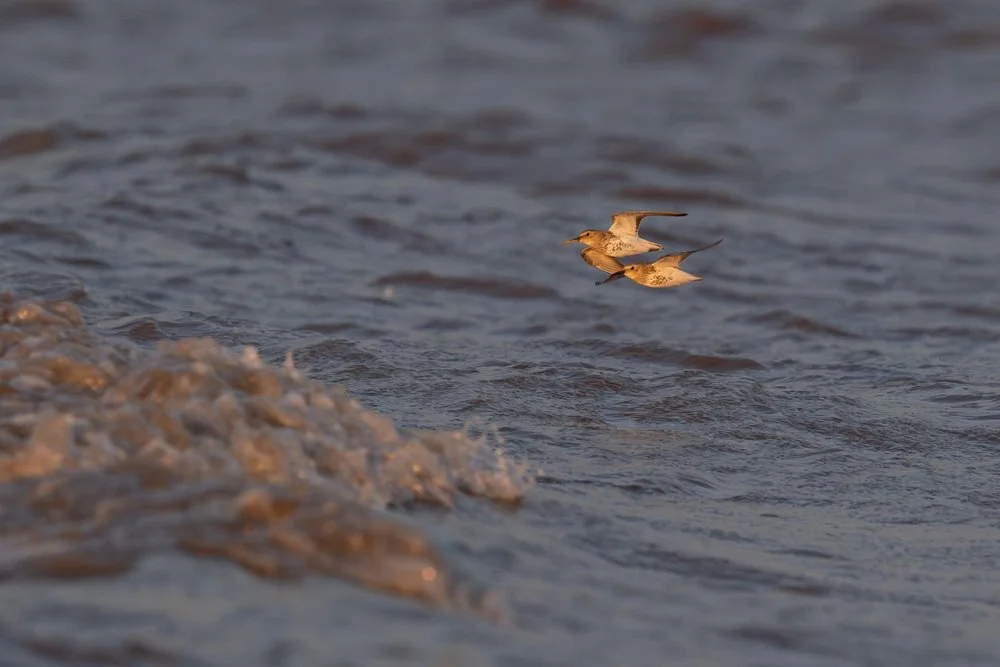
Yet, there's a well-defined area at the end of the lagoon, where I focused my efforts during this visit. My primary objective was to photograph wading birds in flight, a subject I typically pursue at Spurn and Kilnsea. However, I was drawn to Patrington for a change of scenery, perfectly timed with the early autumn wader passage. The early morning tide was at its peak at sunrise, providing an exhilarating opportunity for bird activity.
Optimal Conditions for Bird Photography
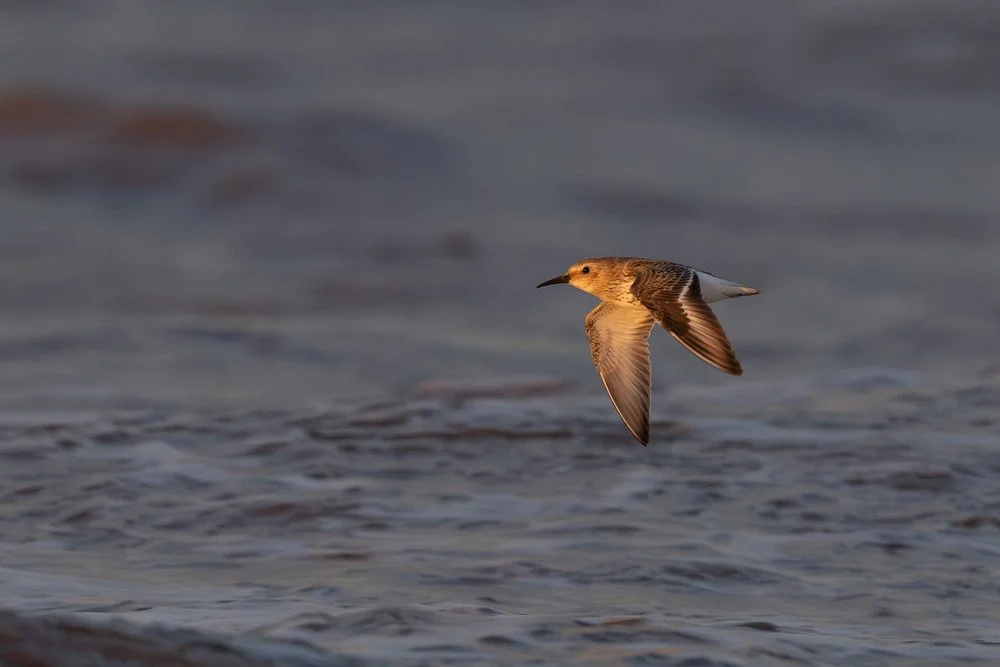
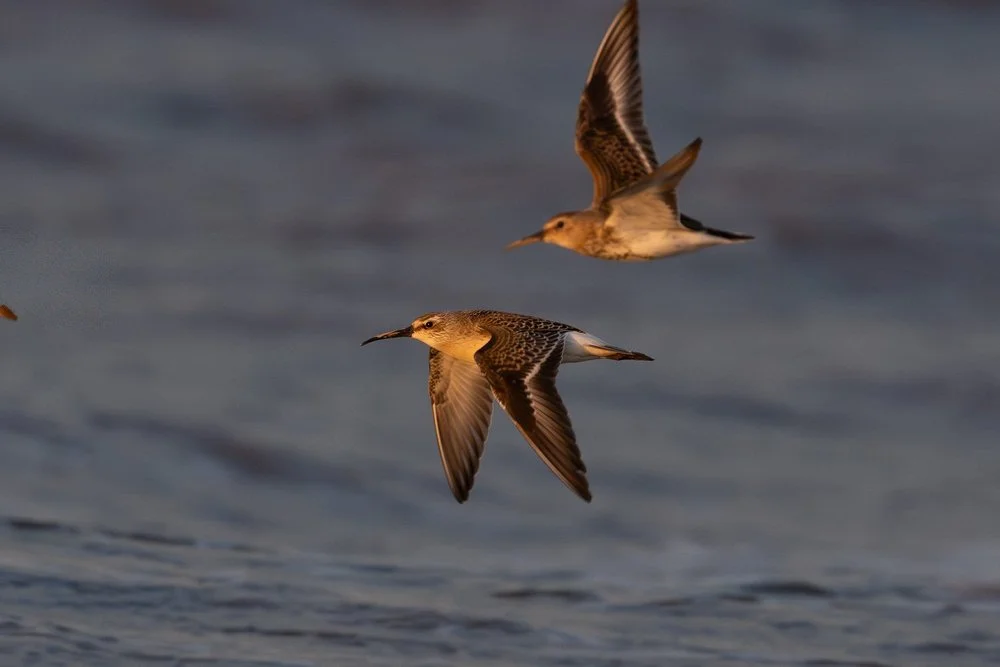
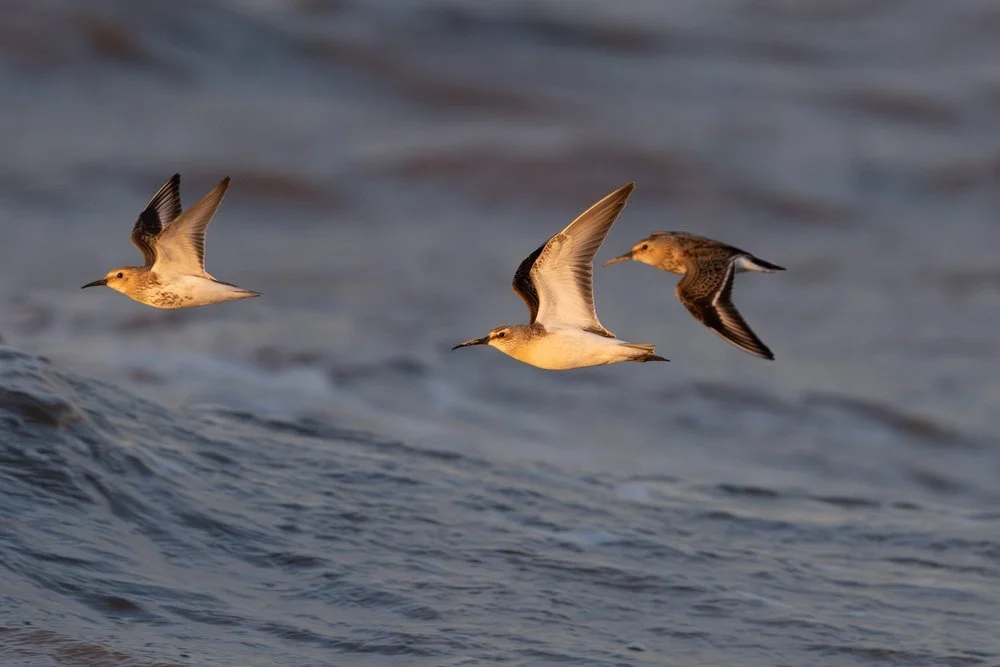
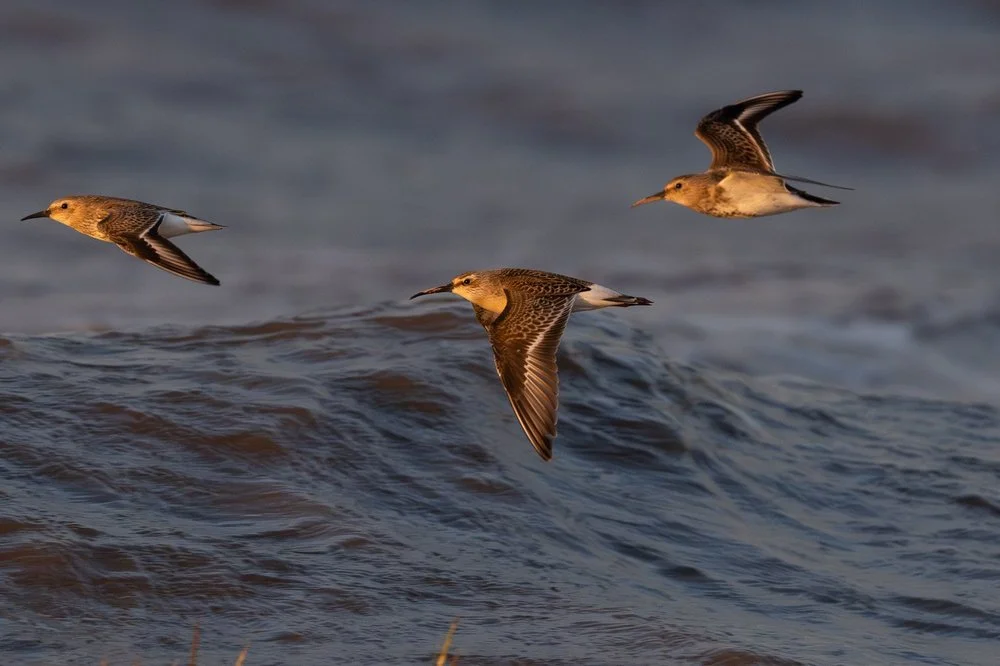
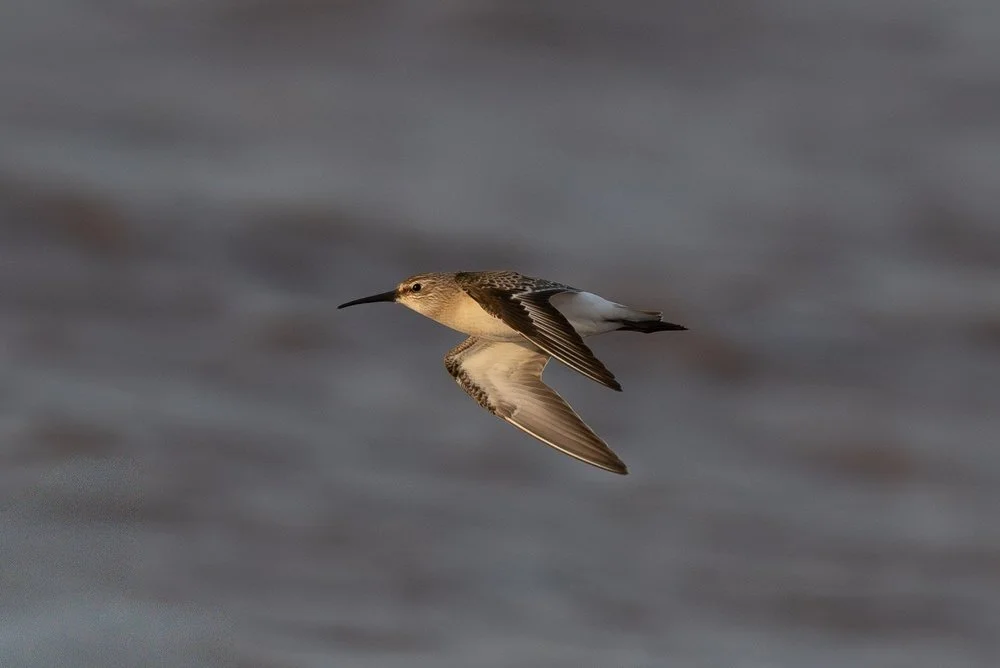
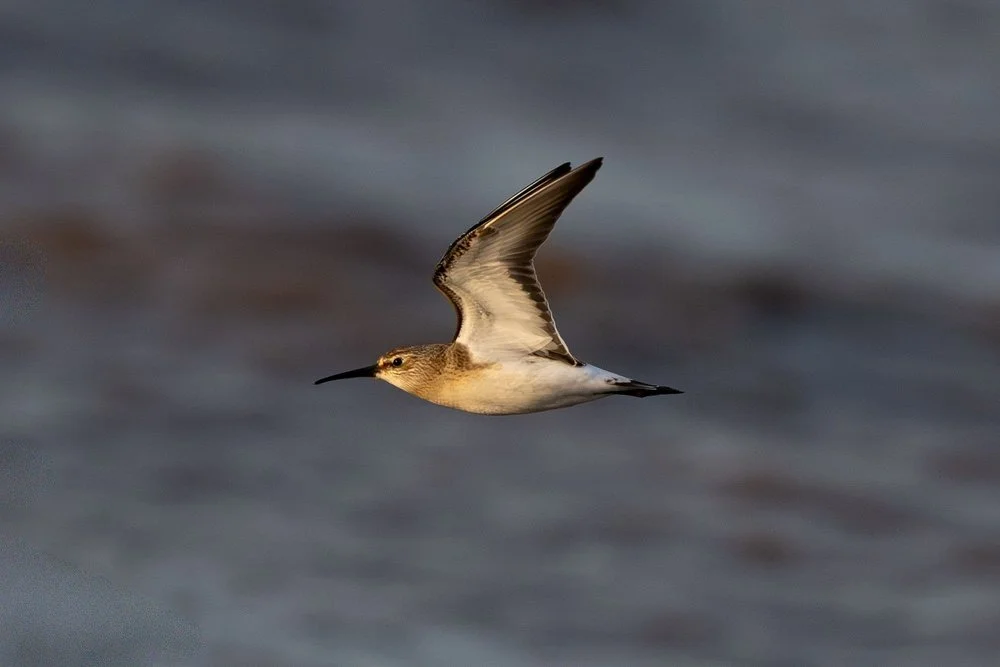
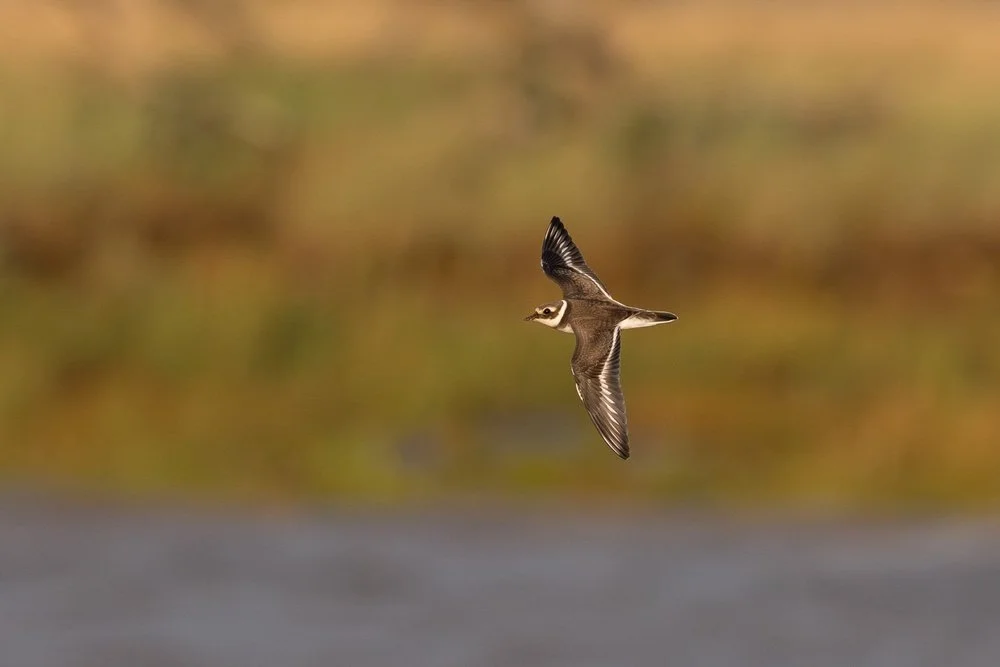
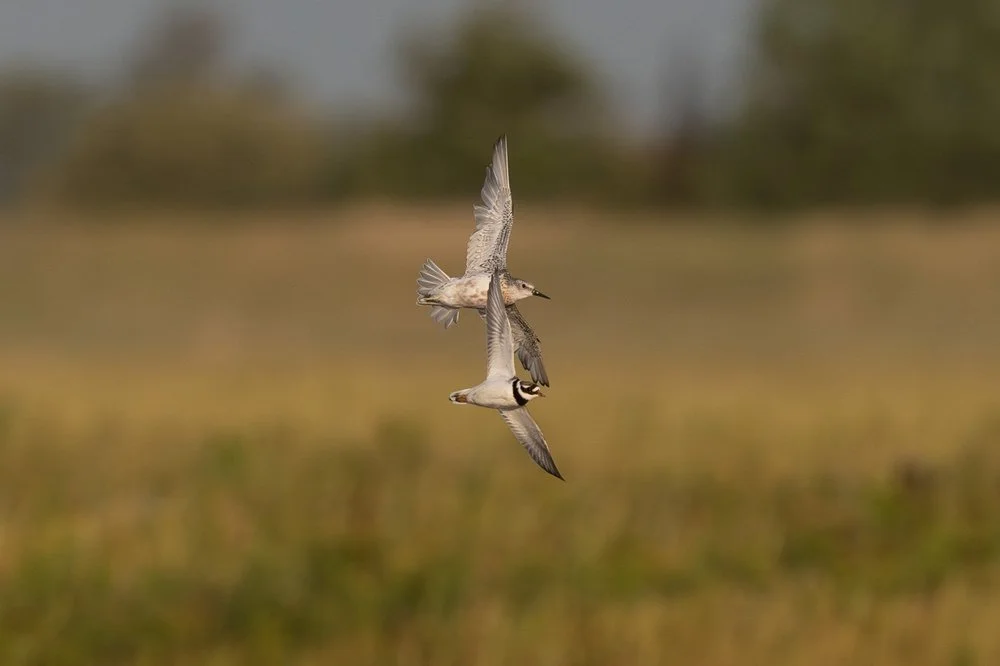
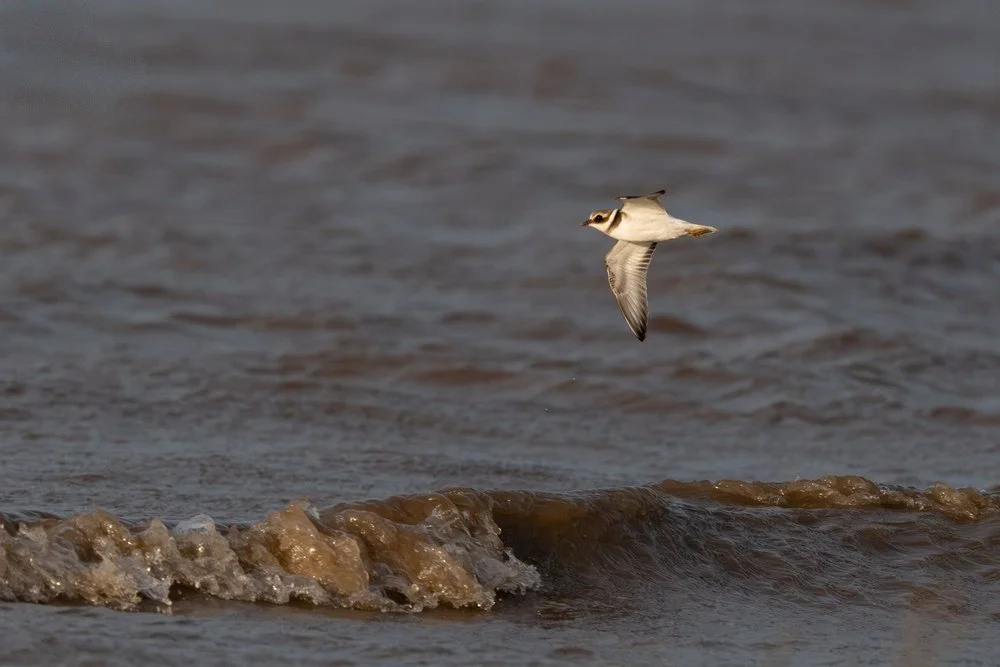
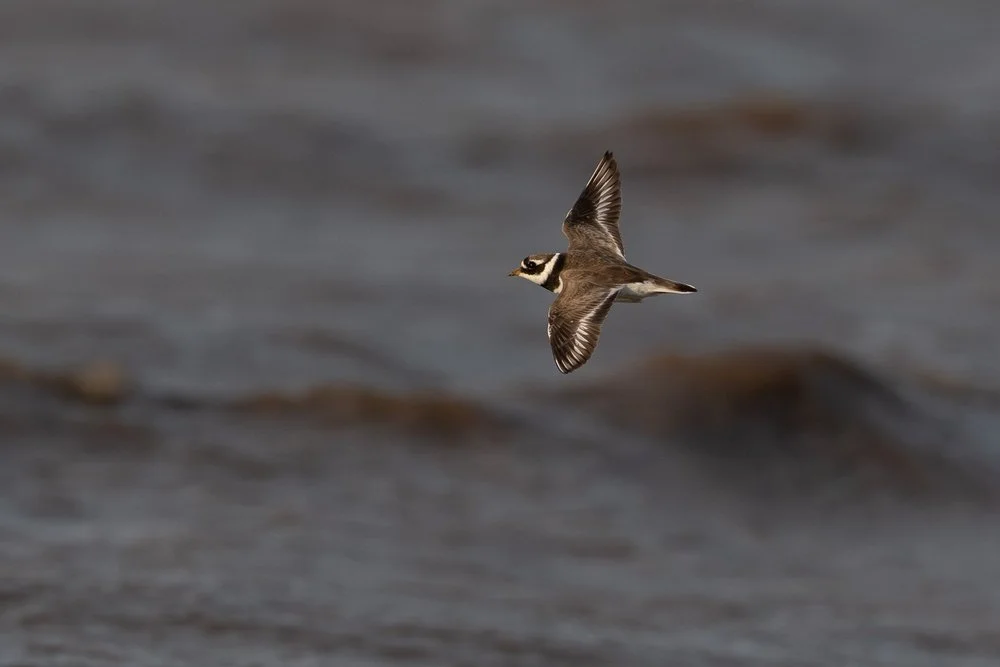
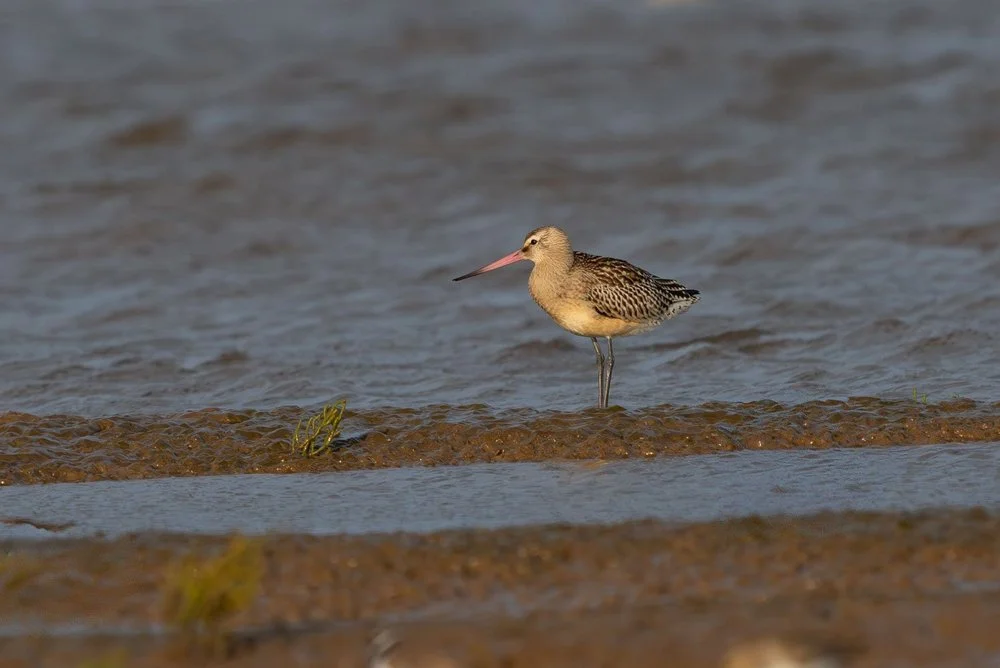
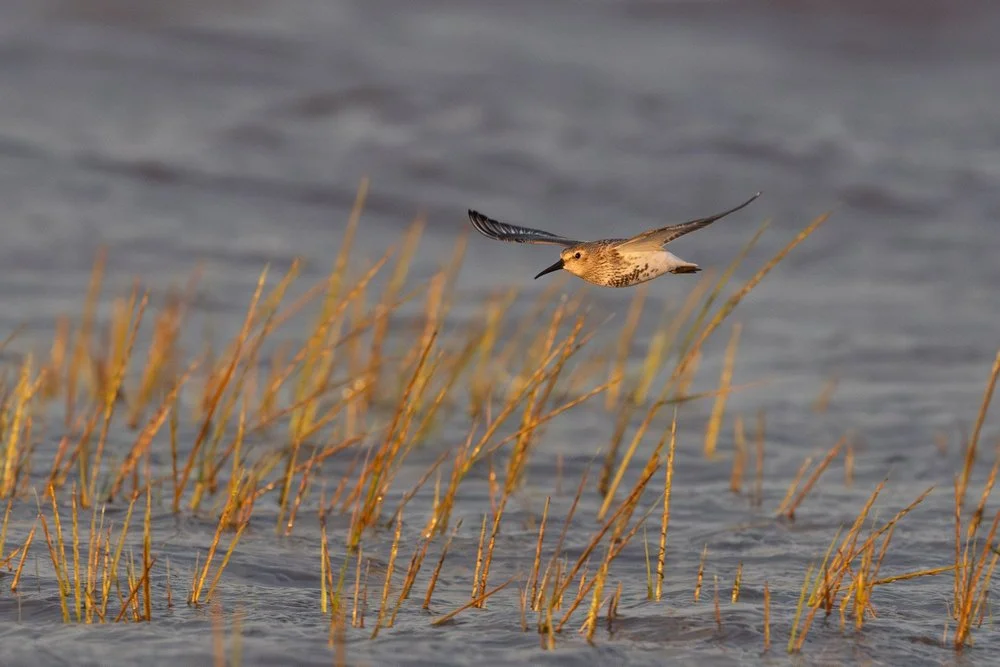
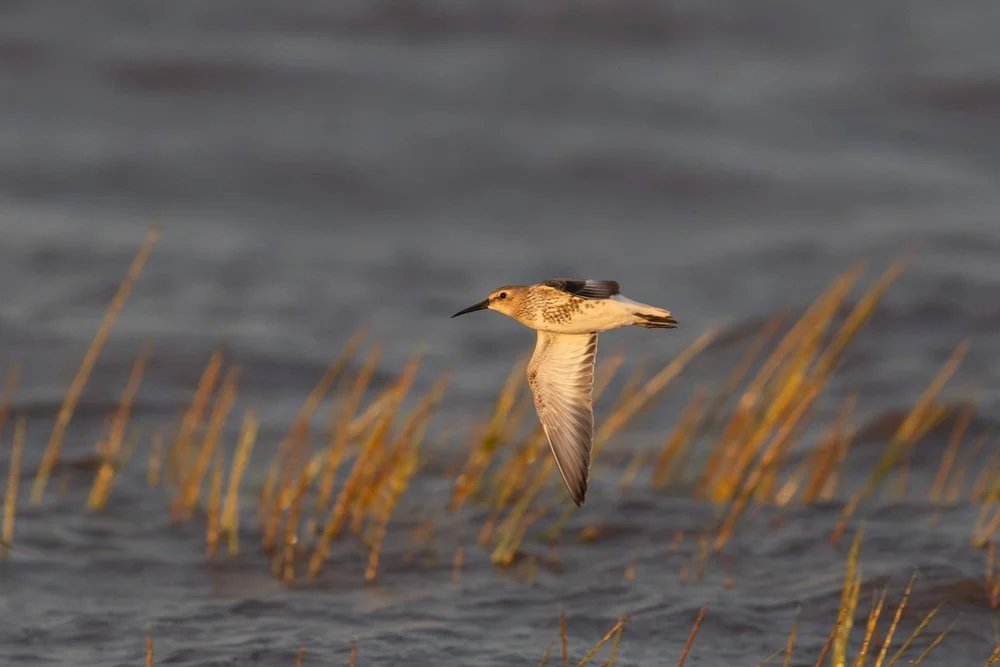
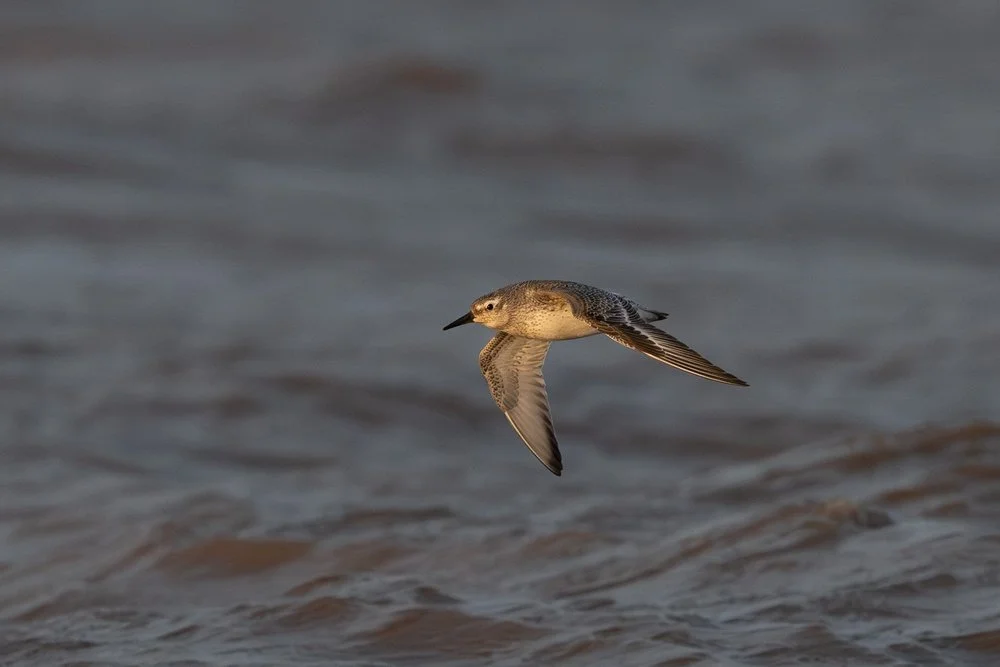
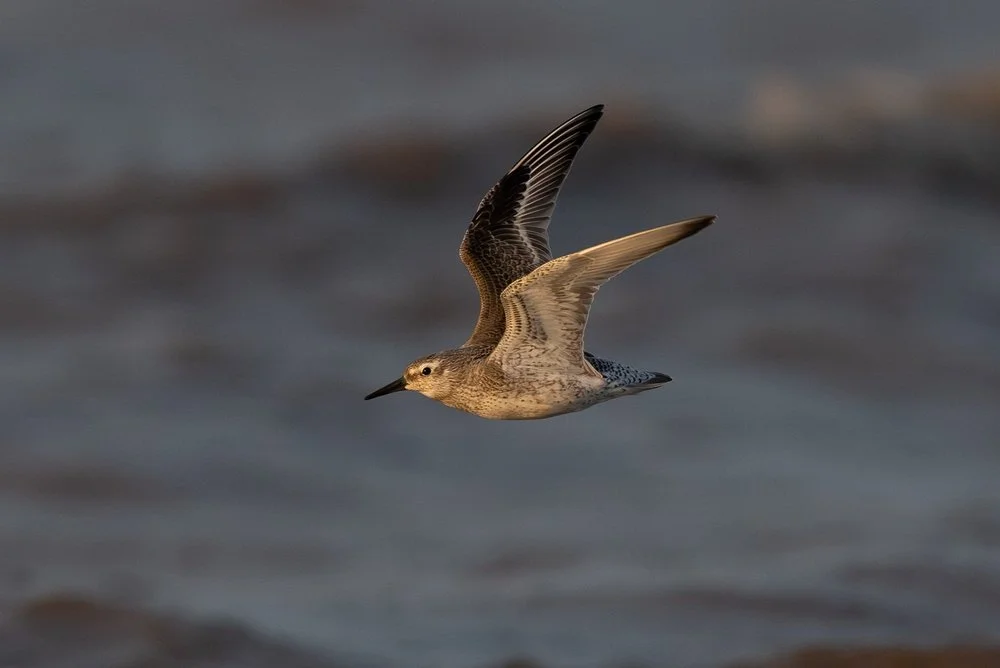
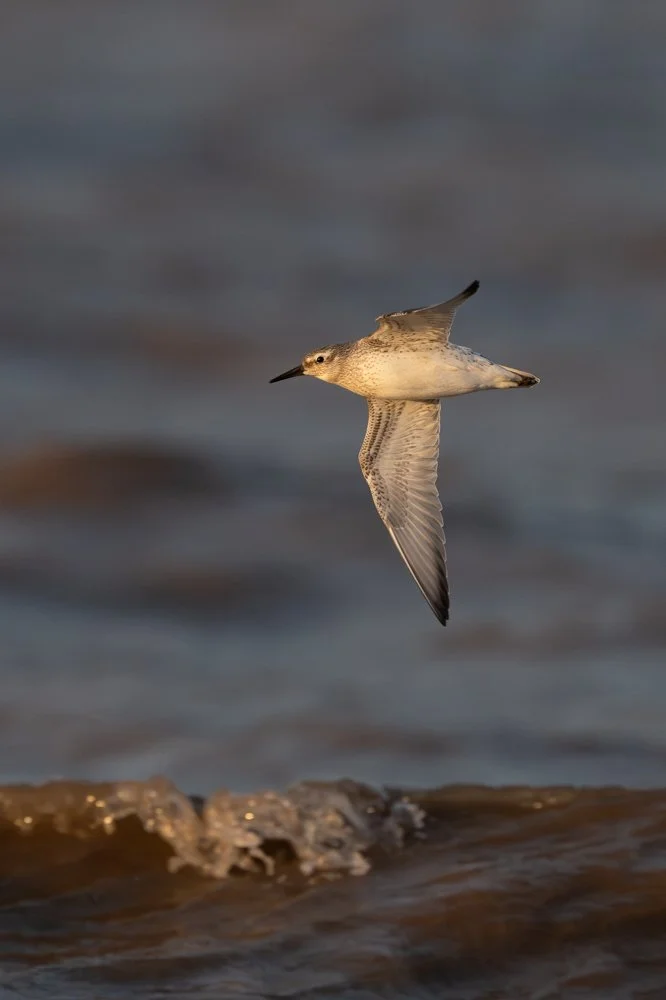
I arrived on site around 6:15 AM and positioned myself patiently, quickly noticing the fantastic light that enveloped the lagoon. By 6:30 AM, I was photographing a delightful array of common waders that ventured close, including dunlin, ringed plovers, and a few knot, bar-tailed godwits, and curlews. Among these, a particularly striking juvenile curlew-sandpiper became the highlight of my shooting session.
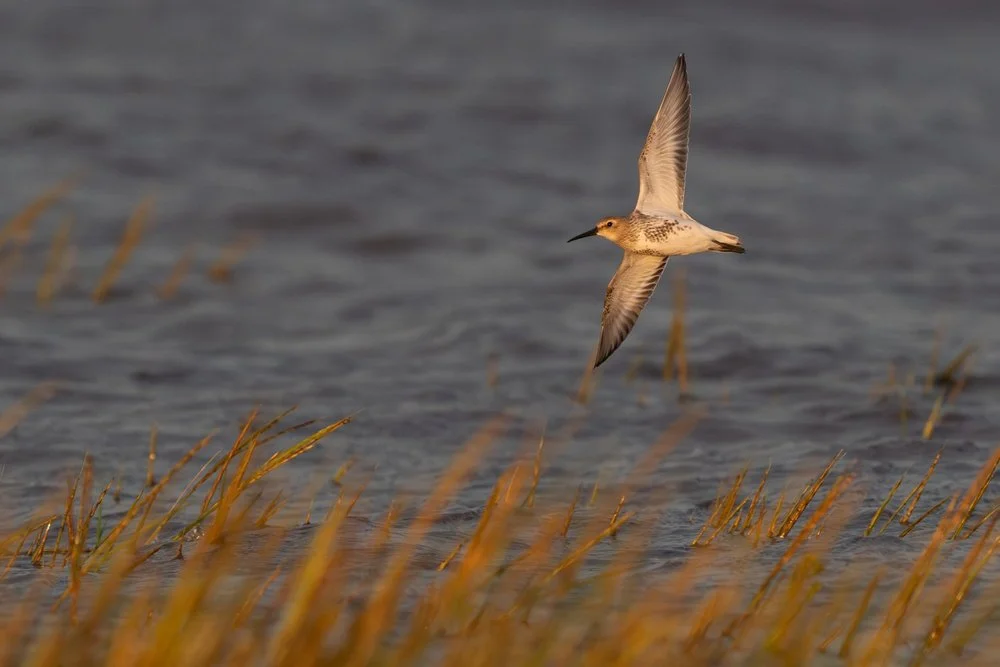
The lighting was magical during this golden hour, which lasted until the tide began to recede and the sun rose higher in the sky, altering the quality of light. I had roughly two hours of productive shooting before the change in tide shifted the ambiance. It’s during these early mornings that photographers can maximize their chances of capturing vivid images amid natural beauty.
Analyzing the Tide's Influence
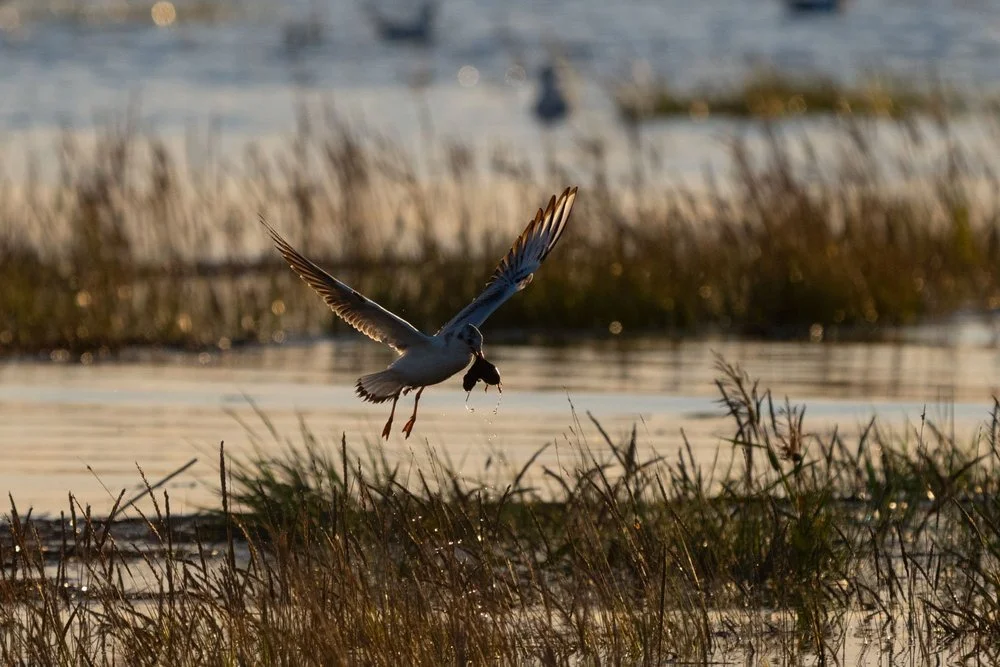
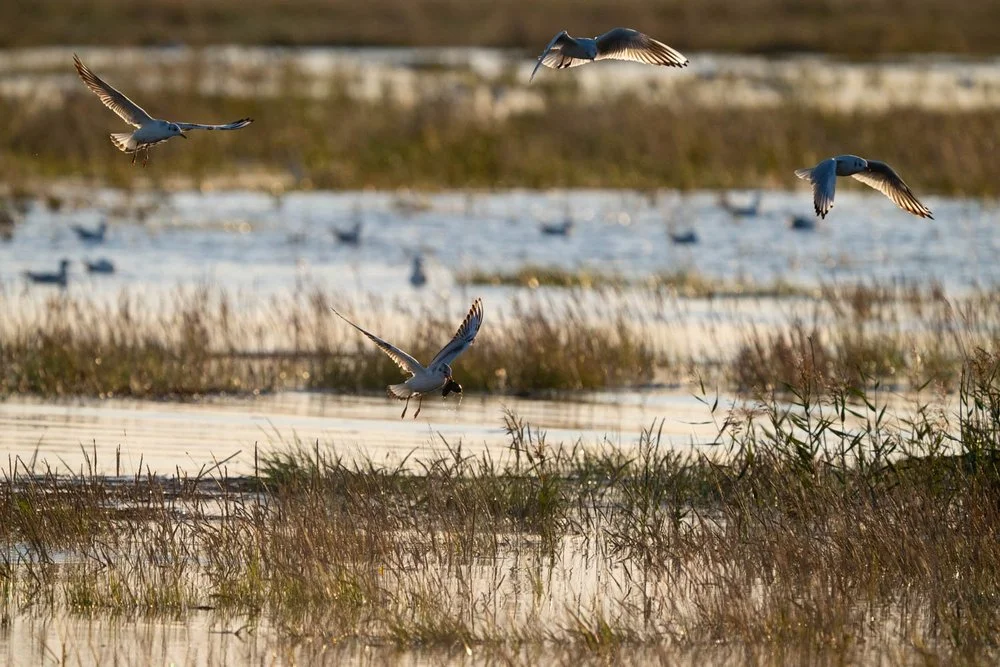
On a subsequent visit to the same location, I experienced an even higher tide, measuring 7.6 meters compared to the previous visit's 7.06 meters. This phenomenon transformed the landscape, creating what appeared to be the summer's highest tide. It resulted in a feeding frenzy for hundreds of gulls, driven by the small mammals stirred up by the tide. Watching the raw brutality of nature unfold in real-time was both a sobering and exhilarating experience. This dramatic scene offered powerful photography opportunities as the birds silhouetted against the tumultuous background.
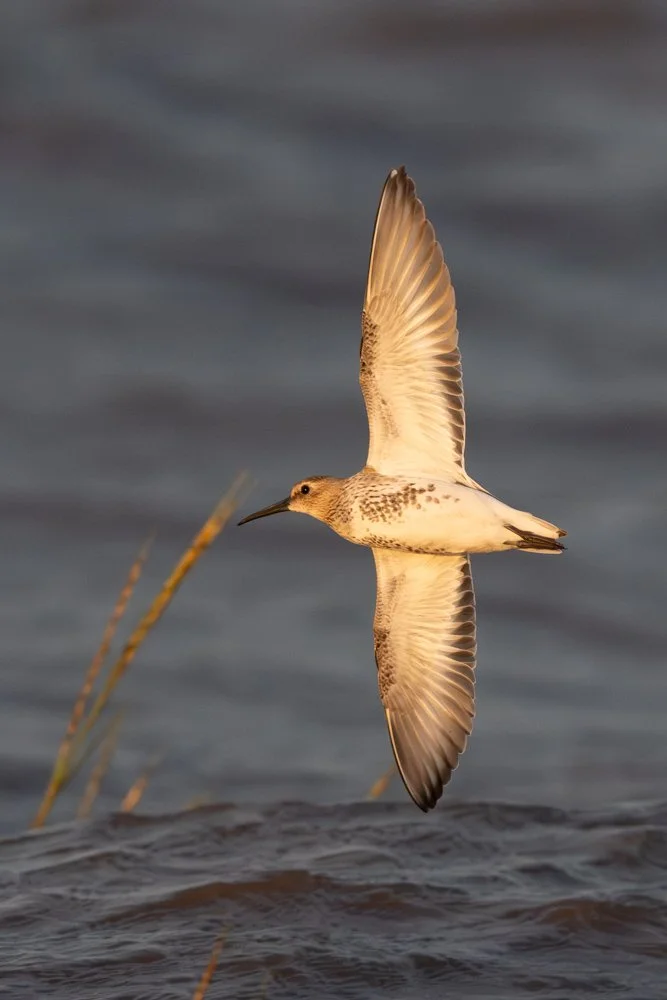
This combination of light and wildlife behavior illustrates the delicate balance at play when photographing avian subjects. Wading birds are often intricate subjects that react to tide changes and light conditions, making timing critical for photographers looking to capture their natural behaviors.
Technique and Equipment Recommendations
For those aspiring to replicate this kind of bird photography, consider using a camera with fast autofocus capabilities to track moving subjects. Pairing this with a telephoto lens allows for detailed shots from a distance, ensuring minimal disturbance to the wildlife. Maintaining a shutter speed of at least 1/1000 sec is prudent when capturing birds in flight, especially when their movement can be unpredictable.
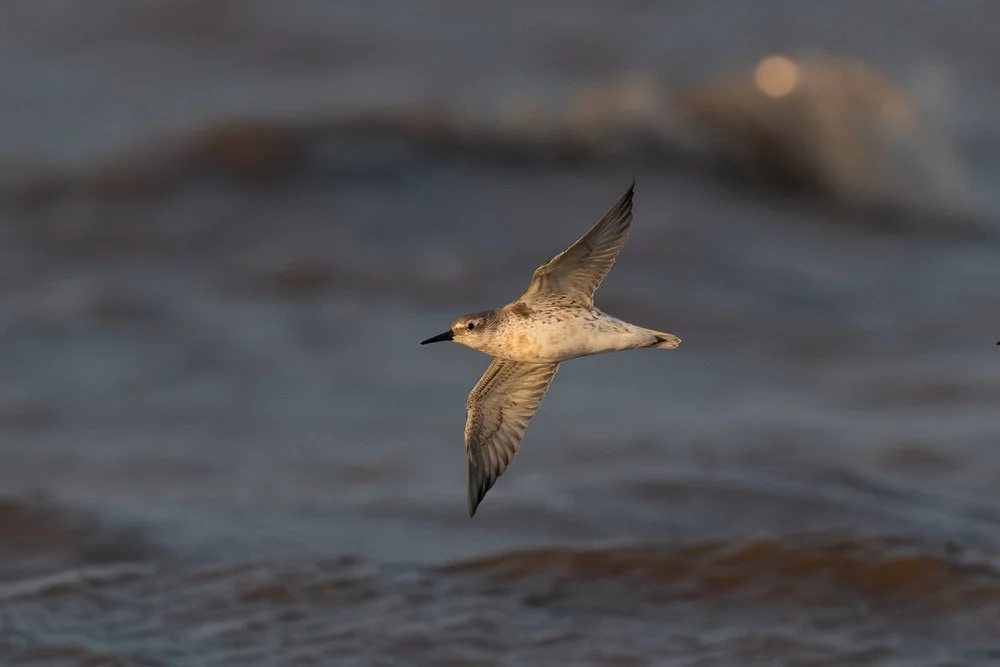
Additionally, adjusting your aperture can help create a desirable depth of field, isolating the subject from the background and bringing attention to their unique features. In this case, I utilized my 300mm f/4 lens, capturing sharp images while maintaining a nice bokeh effect. Using continuous shooting mode can also maximize your chances of capturing those fleeting moments as birds take flight.
Future Sessions and Recommendations
Having revisited Patrington Haven, I am excited to return to this extraordinary site in the near future. While the habitat has changed, the beauty of wading birds continues to inspire, and the evolving landscape offers new photographic challenges. Each visit reveals new opportunities for capturing the fascinating interactions of wildlife with their environment, and every season brings different species and behaviors to observe.
If you're looking for a dynamic location to photograph wading birds, I highly recommend exploring areas like Patrington, especially during the transition seasons of early autumn and spring when bird migrations peak. Keep an eye on the tide charts, plan your sessions during optimal light conditions, and observe how these elements come together to create breathtaking photographs of these remarkable creatures.