Discover the challenges and triumphs of photographing hen harriers on the Humber, offering insights into technique and local birdwatching experiences.
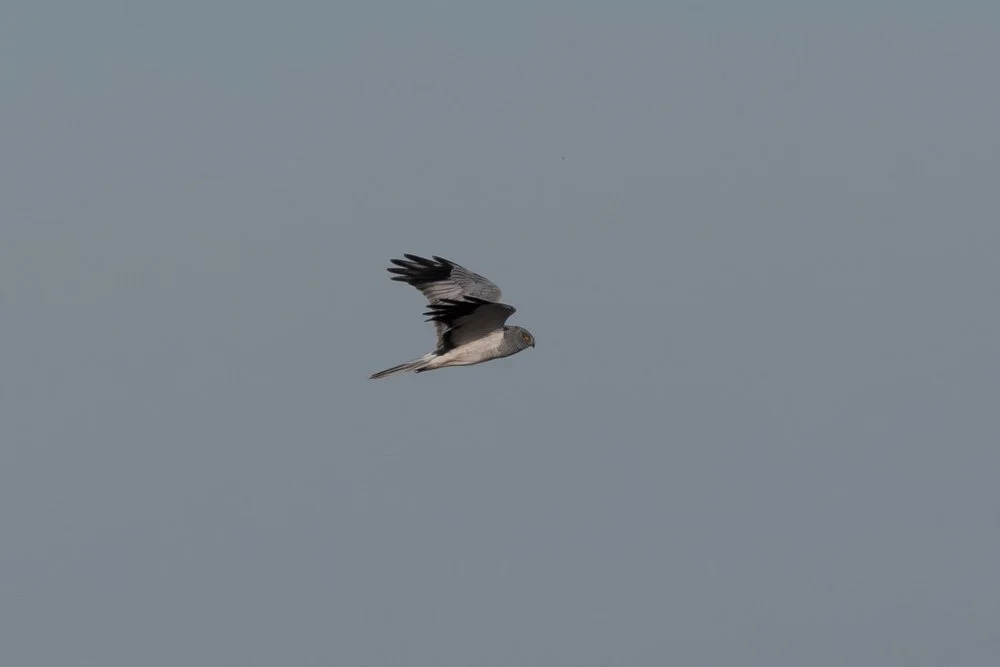
As a passionate bird enthusiast, hen harriers have always captivated my imagination. Growing up in East Yorkshire, the dream of seeing one felt distant due to my lack of transportation and knowledge about their habitats. However, I've come to learn that these elusive birds aren’t as unreachable as I once thought. Each winter, a small number of hen harriers migrate to the Humber, offering dedicated birdwatchers a unique opportunity to witness their behavior before they return to their breeding grounds in early spring.
Understanding Hen Harrier Behavior
Like many bird species, hen harrier behavior can be complex and variable. As predators, they play an essential role in the ecosystem, often hunting small mammals and birds. Their hunting patterns shift seasonally, influenced by factors such as weather, availability of prey, and even territorial disputes. Learning about their habits not only enhances the thrill of spotting these birds but also informs the best times and places to observe them. Their seasonal migration is a significant aspect of their life cycle, and understanding this context can deepen a birdwatcher's appreciation for the species.
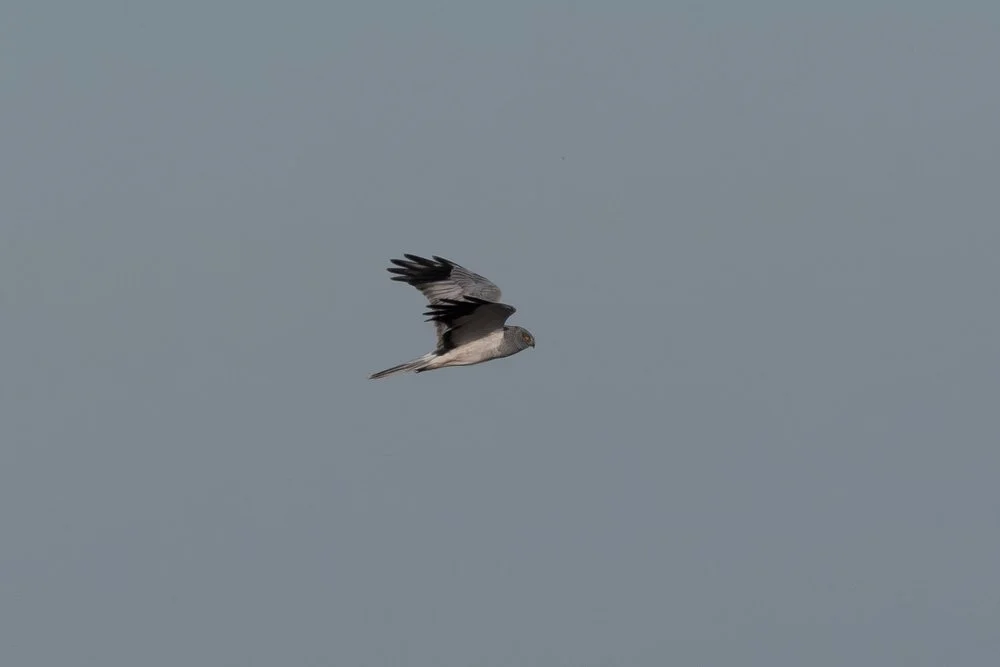
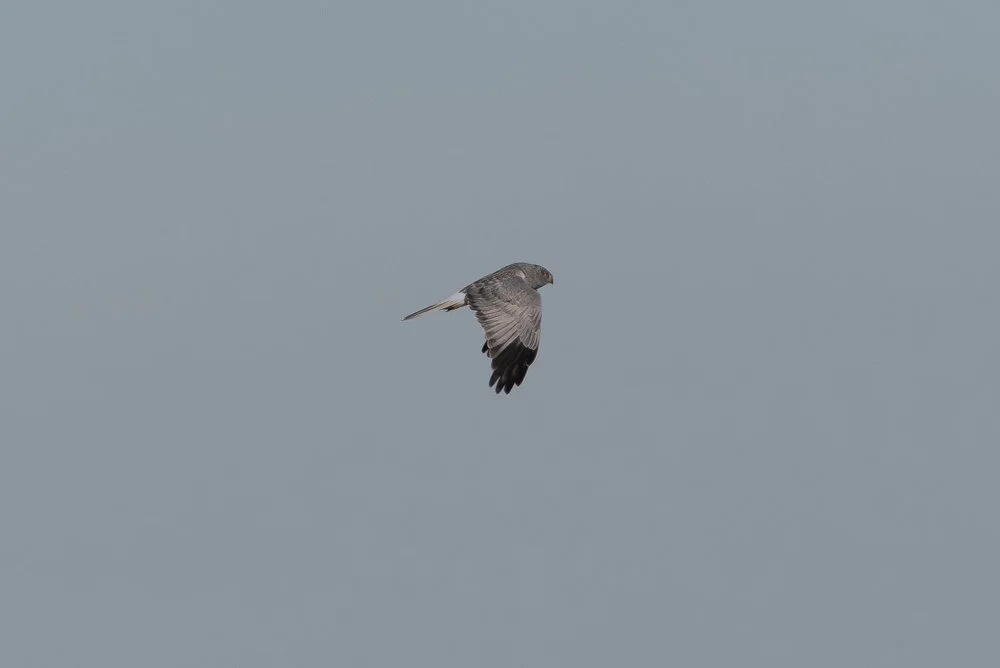
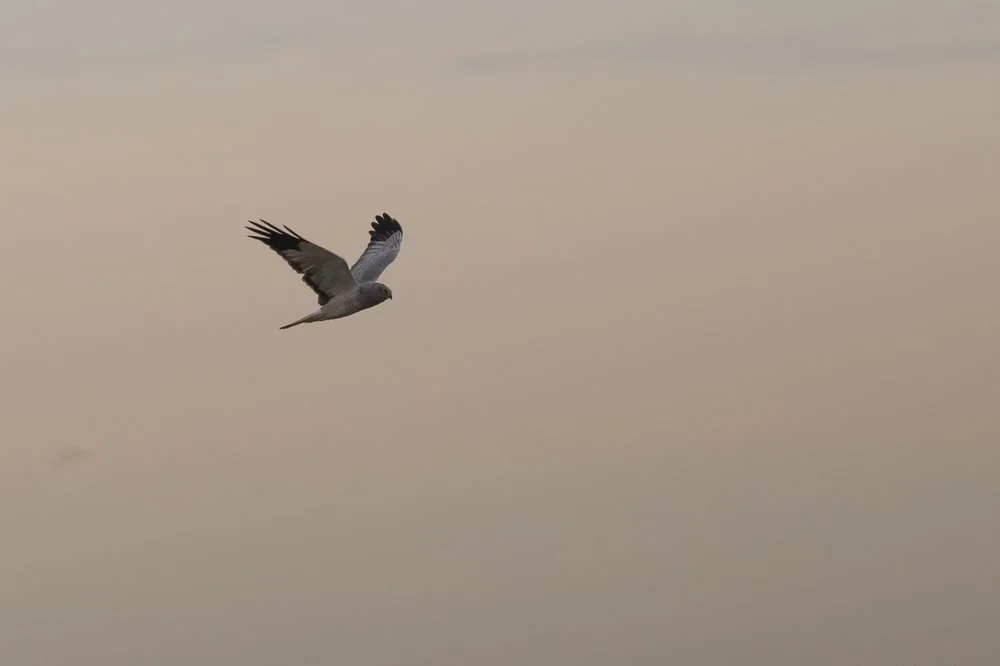
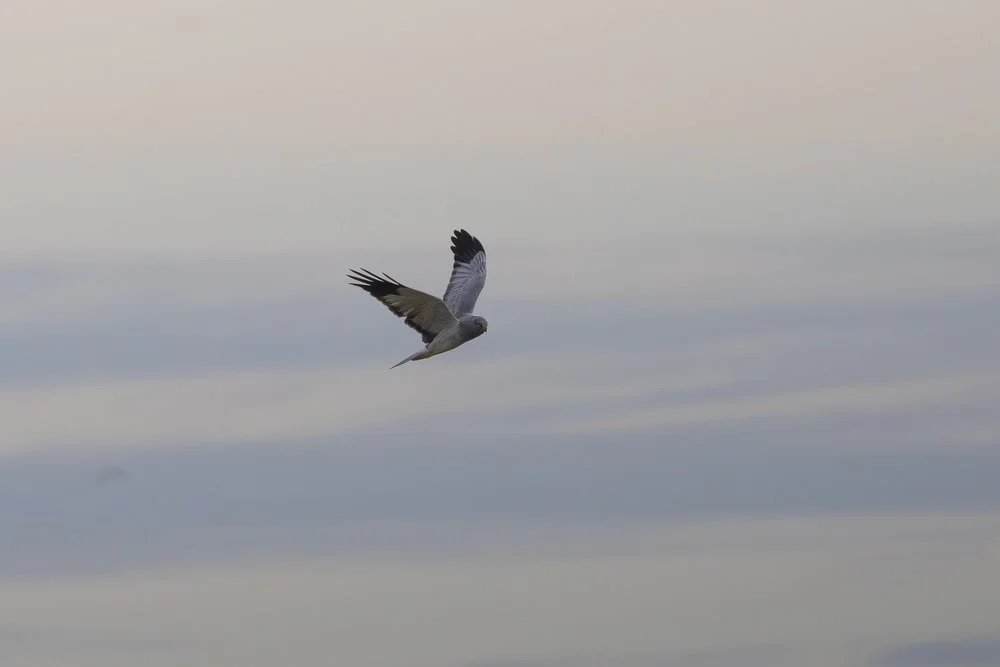
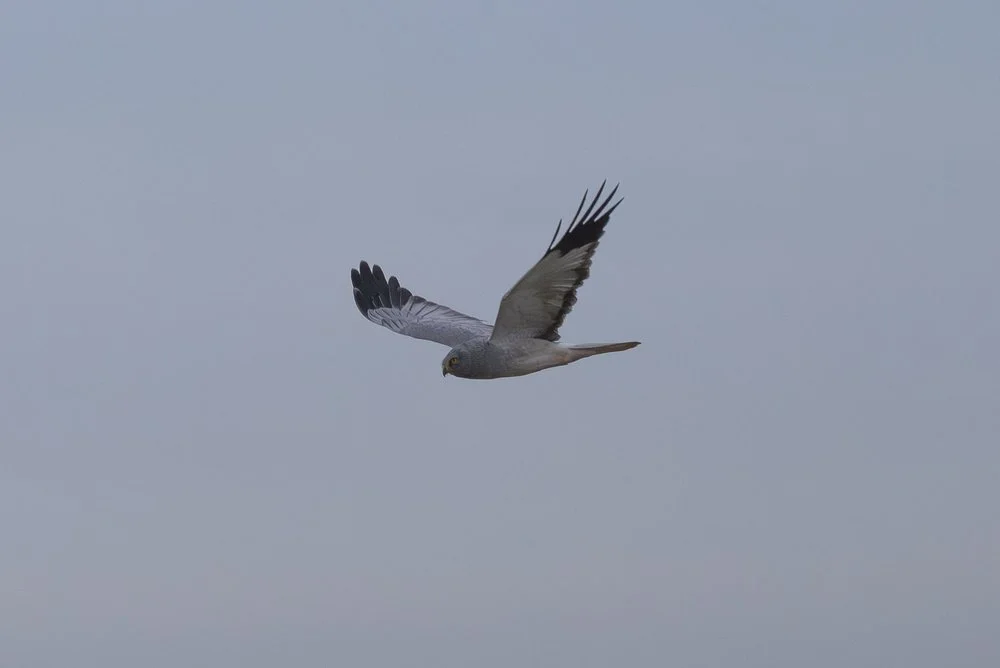
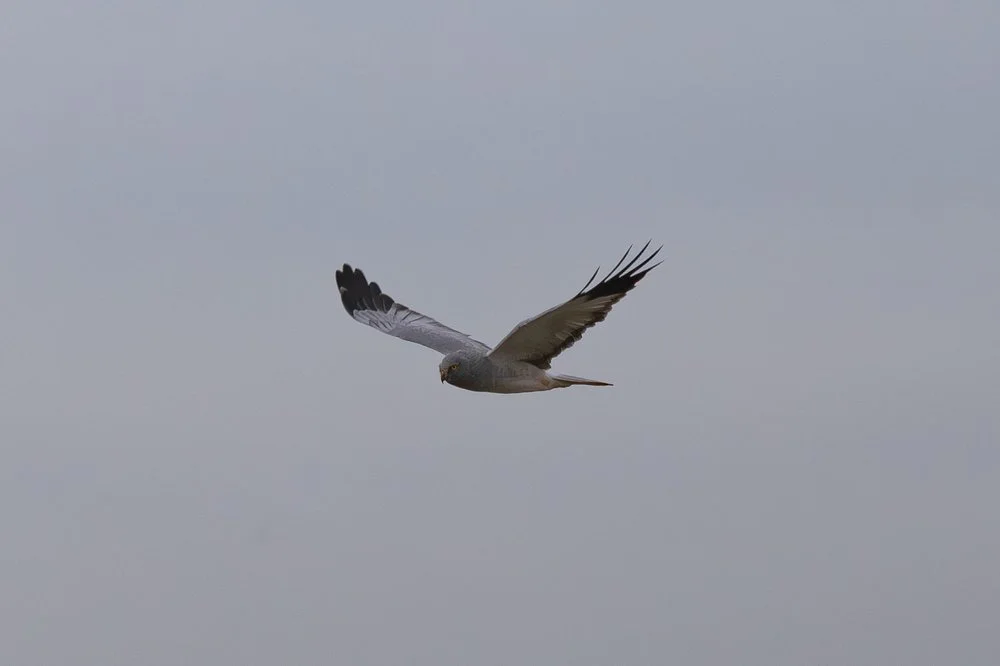
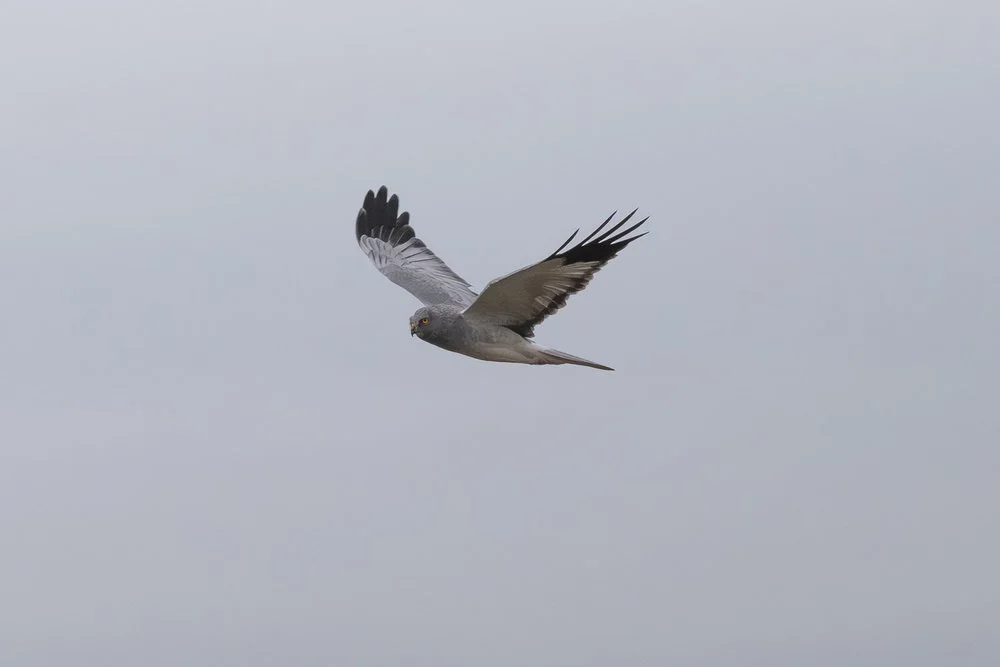
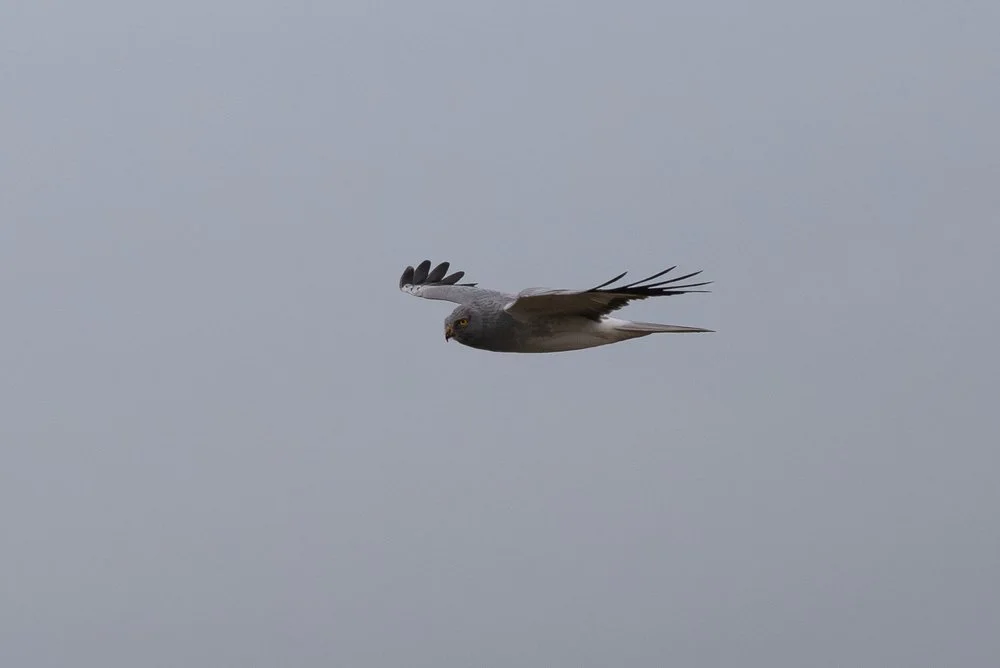
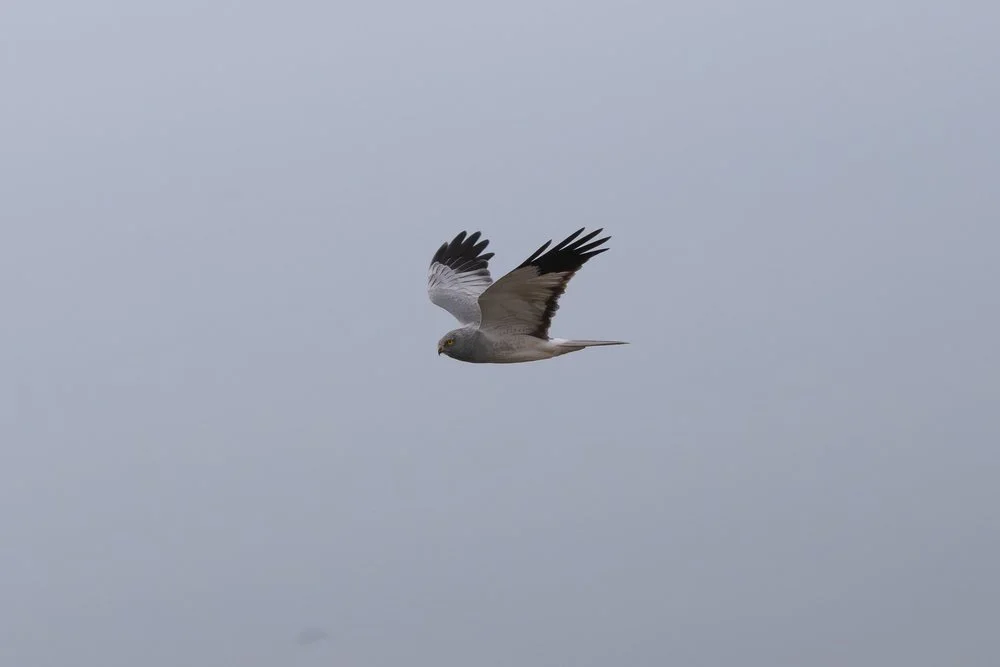
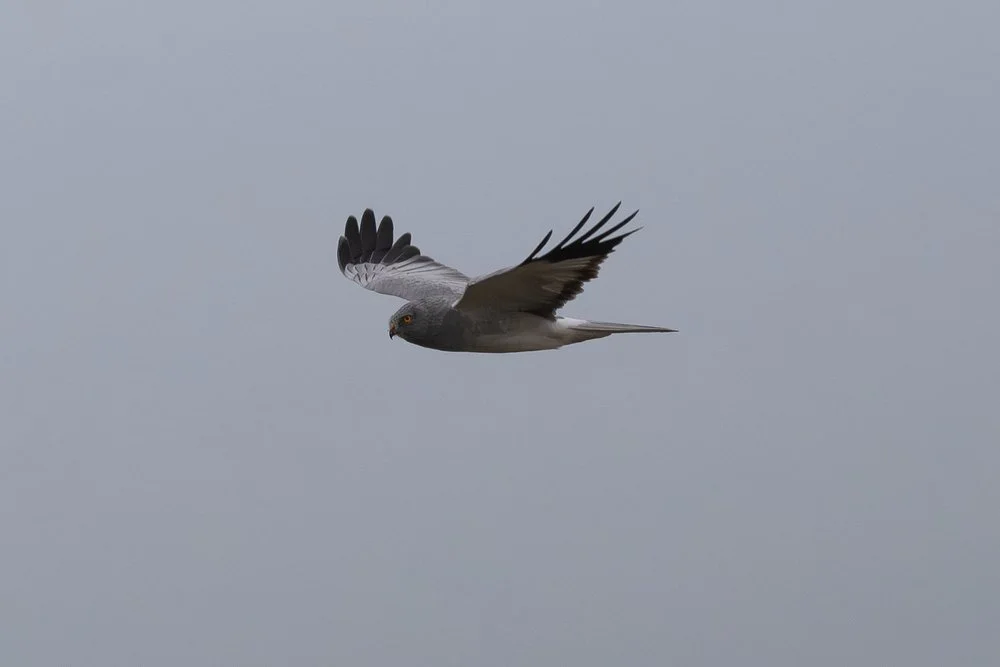
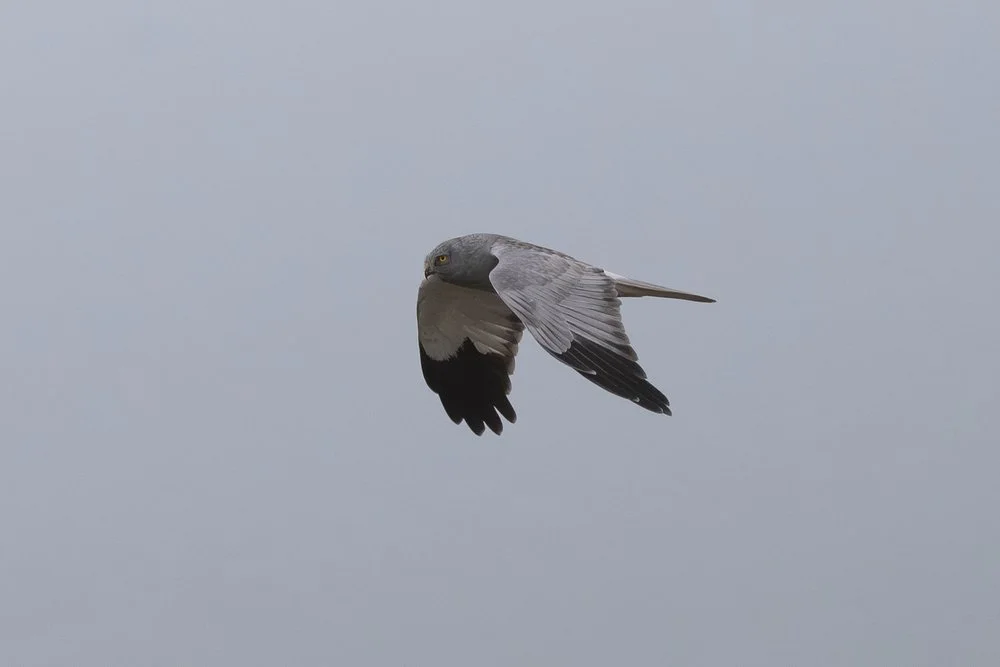
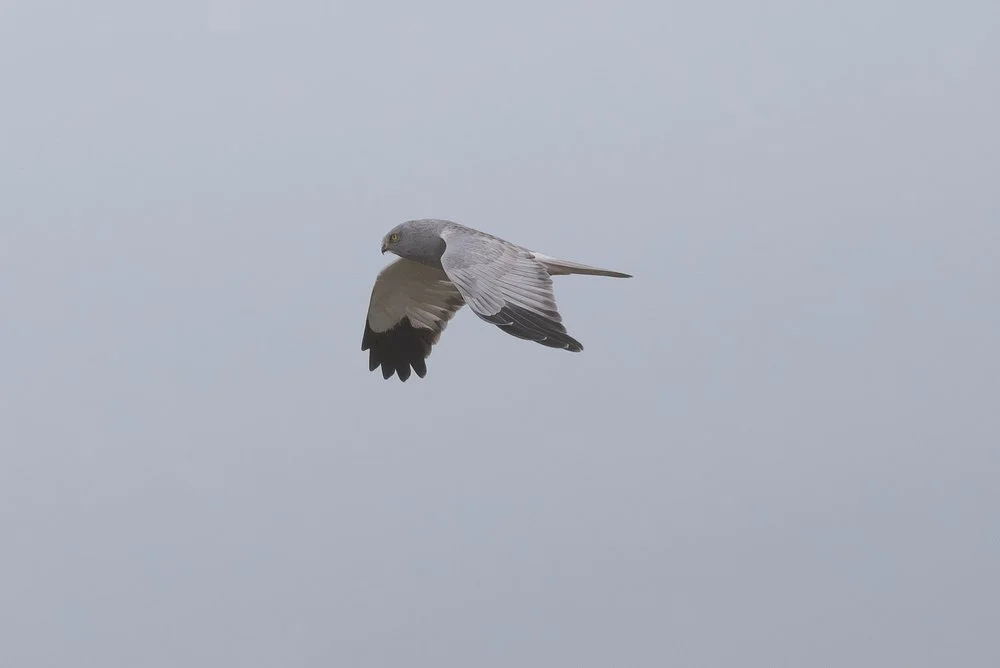
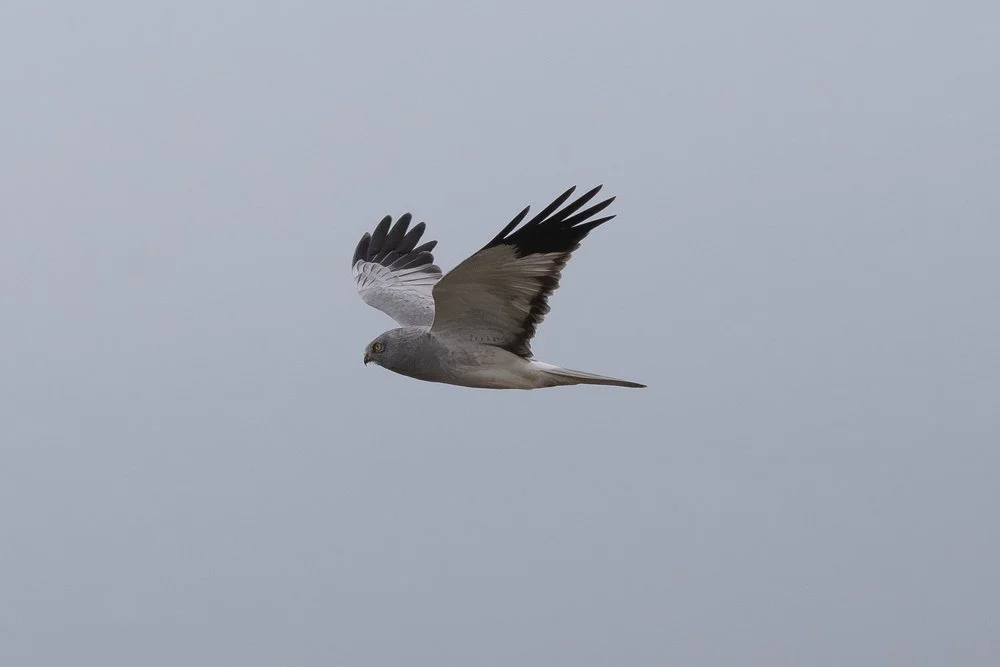
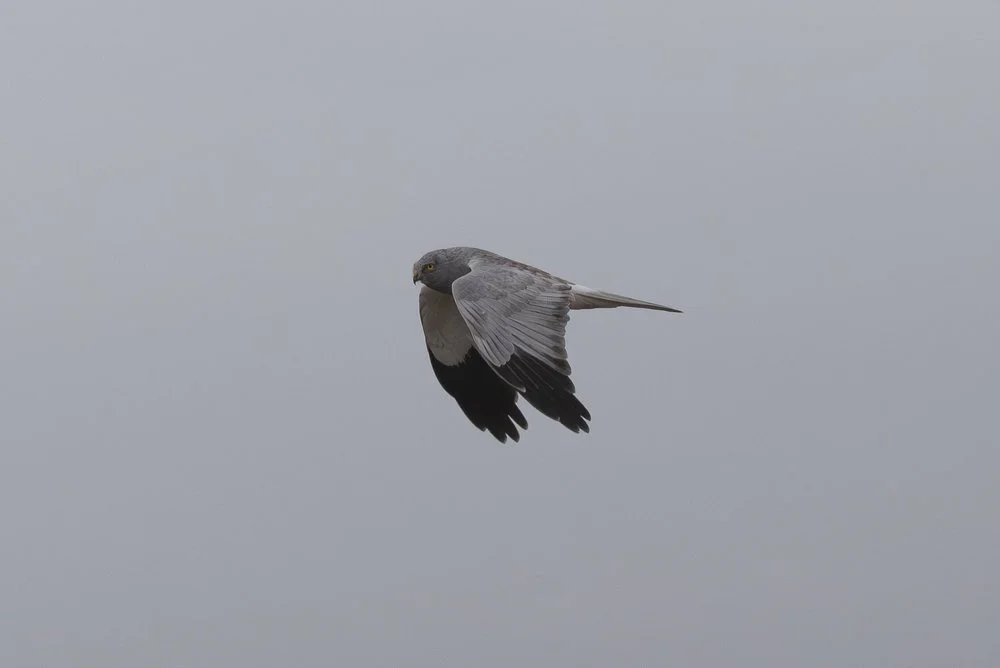
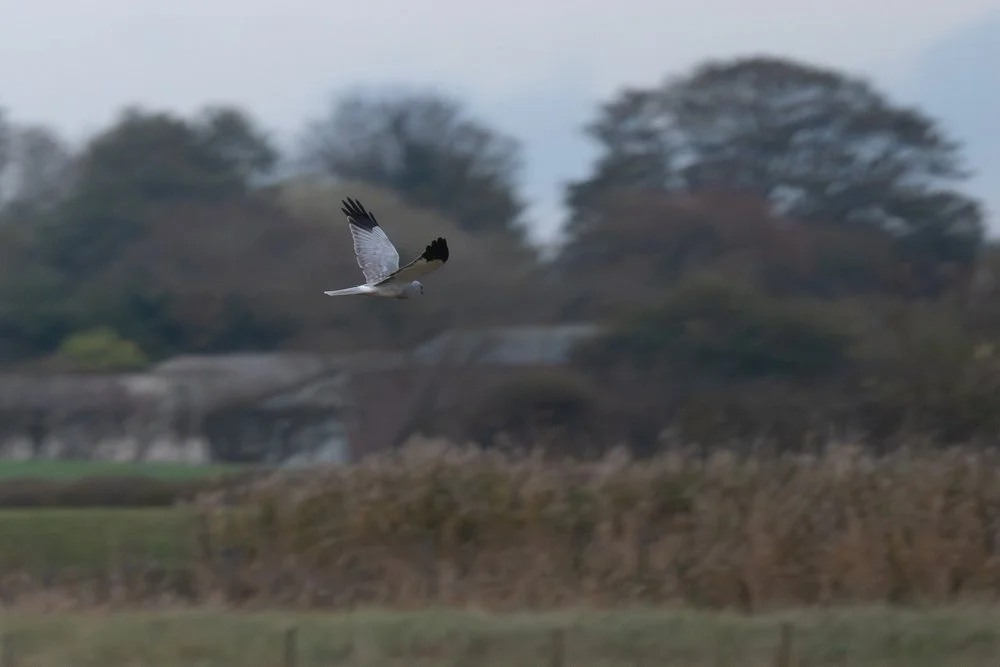
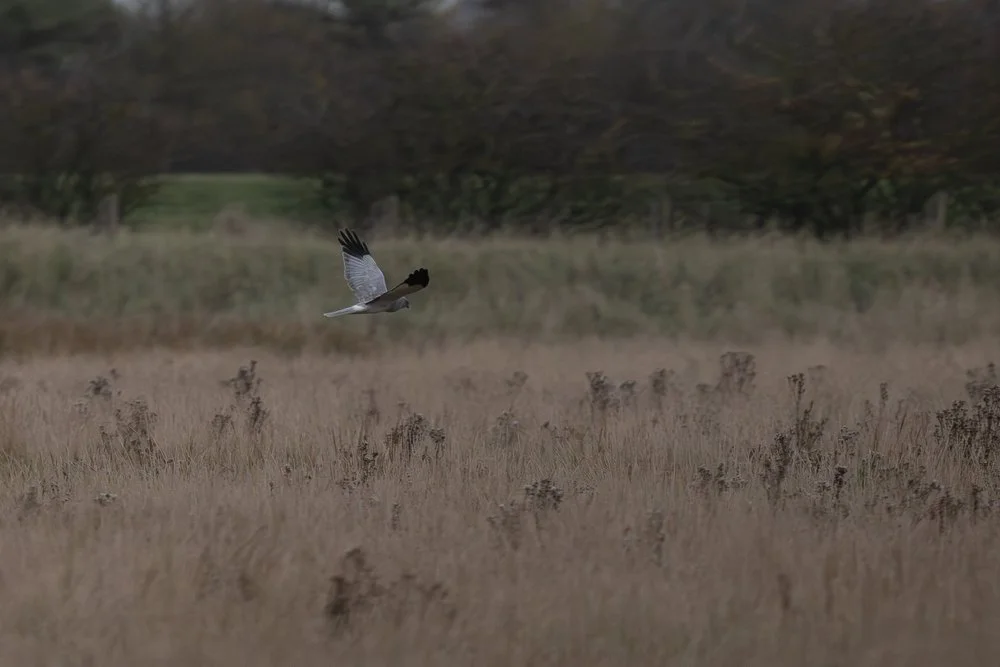
This winter, at least two adult male hen harriers made the Humber their temporary home. While reports have flagged their activity since mid-October, locating them is a different story. My experience reveals that the ‘ringtail’ female hen harriers tend to favor smaller, consistent territories that are easier to monitor. In contrast, the males are more nomadic, flitting across vast terrains, which makes photographing them significantly more challenging. This distinctive behavior reflects their need for food and territory, making their patterns somewhat unpredictable.
Finding the Right Spot
Not one to give up easily, I've dedicated three days so far this season to observe and photograph them. Through trial and error, I identified a prime vantage point within the area known as the ‘Outstrays,’ located between Patrington Haven and Skeffling. While I won’t disclose the exact location to preserve the integrity of this beautiful habitat, it has proven fruitful for sightings. Choosing a good spot is half the battle, as it can not only lead to better chances of observation but also offers unique perspectives for photography.
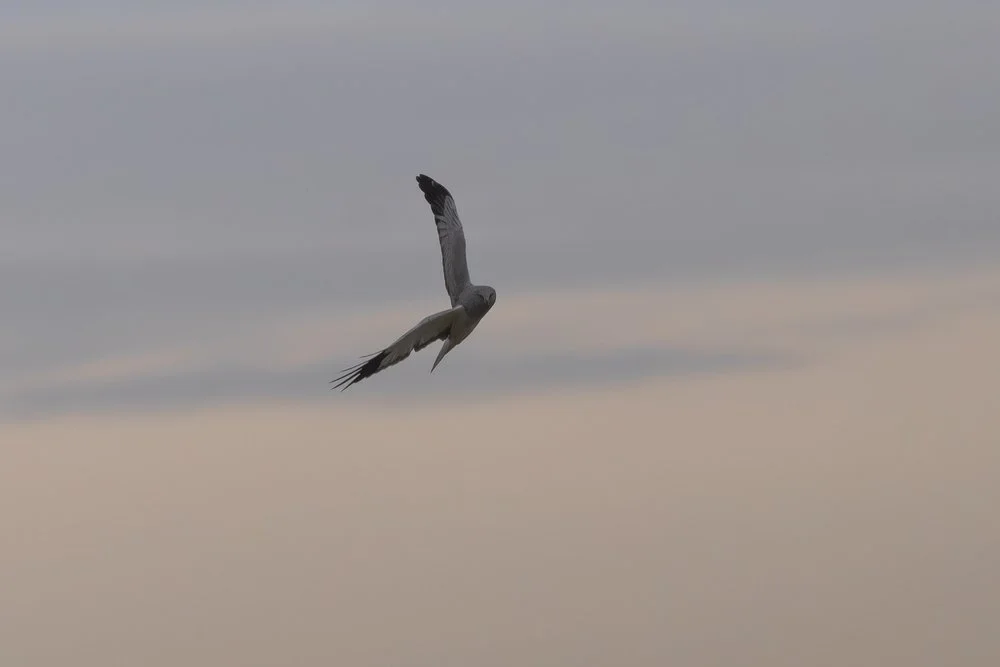
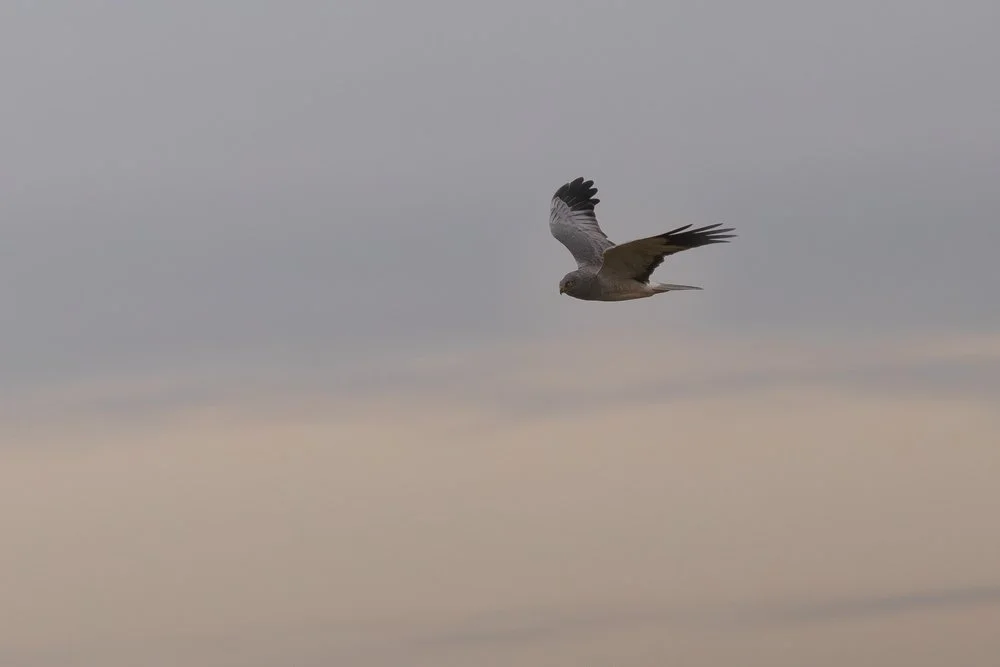
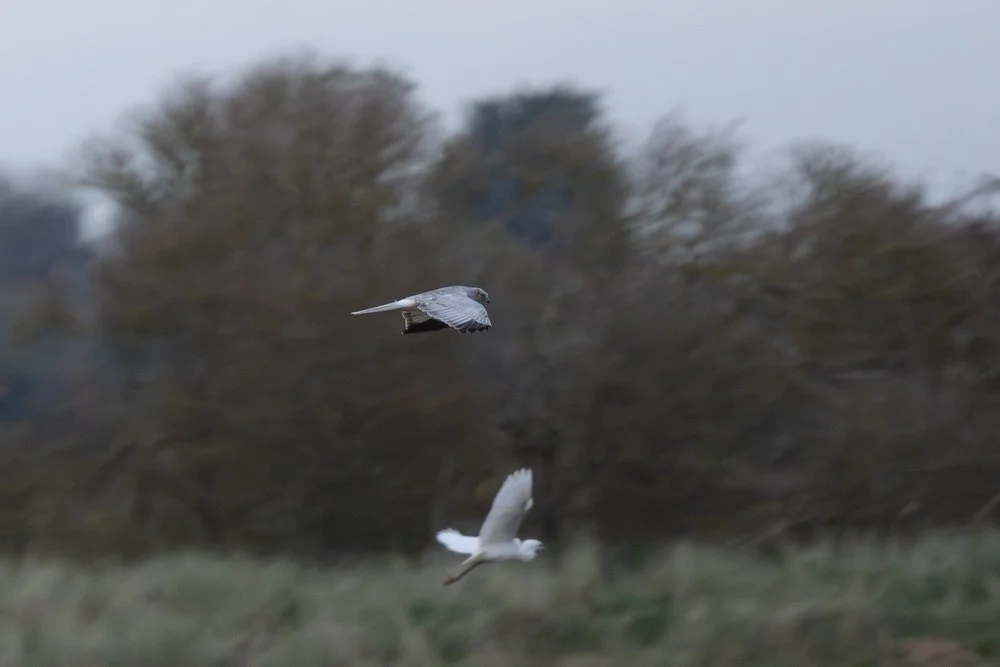
Despite spending 24 hours in the field, I’ve only managed to observe male hen harriers for a total of around ten minutes. It’s a lesson in patience and dedication—qualities essential for any wildlife photographer. Engaging with these birds requires a mindset that welcomes uncertainty; you’re not just waiting for the magic moment, you’re also learning from the experience itself. On one of my most successful days, I spotted both hen harriers multiple times and even captured a close-up flight sequence. Unfortunately, the lighting conditions weren't optimal, as the birds flew above the skyline against a less-than-ideal background. Such challenges are par for the course in wildlife photography, but they also contribute to the narrative of each outing.
Techniques for Successful Bird Photography
To increase your chances of capturing these magnificent birds, attention to detail is paramount. Here are some techniques that I find effective:
- Research and Planning: Familiarize yourself with hen harrier behavior and their preferred hunting grounds. Tracking their feeding patterns can lead you to ideal observation points. Knowledge of local ecology is invaluable. It helps you anticipate where the birds might appear.
- Equipment: Use a camera with a high-quality zoom lens. A 400mm to 600mm lens is ideal for distant subjects like the hen harrier, allowing you to maintain distance without disturbing them. The right gear can make a significant difference in the quality of your shots.
- Timing: Early mornings or late afternoons often provide the best light and increased activity, as birds tend to be more active during these times. The golden hour, where natural light is soft and warm, can add a layer of beauty to any photograph.
- Patience and Persistence: Wildlife photography often requires long periods of waiting. Bring comfortable seating, snacks, and sufficient layers to keep warm during extended periods in the field. (And this is the part most people overlook.) Being outdoors brings unpredictability, so staying comfortable can make those long waits bearable.
The Broader Experience
The Humber is not only home to hen harriers but also various other raptors that provide added excitement when the harriers are elusive. Red kites, peregrine falcons, and kestrels frequent this region, allowing photographers like myself to capture diverse bird behaviors. Each encounter with these remarkable creatures enriches my experience and adds depth to my photography portfolio. It’s not just about the hen harrier; it’s about immersing yourself in a vibrant ecosystem where each bird brings a different story.
Looking ahead, I anticipate several more weeks of winter birdwatching. Each outing presents an opportunity to refine my skills and improve my chances for that elusive hen harrier shot. With plenty of time remaining in the season, I’m committed to continuing this captivating project. The unpredictability of the wild can be frustrating, but that’s part of its allure. If you’re working in this space, you’ll find that the journey often teaches you just as much as the destination.
Implications and Future Outlook
The experience of photographing hen harriers is more than just a personal challenge; it reflects broader environmental issues. As wildlife habitats face increasing pressure from climate change and human activity, the need for conservation becomes ever more pressing. Documenting these birds and their behaviors can play a small part in raising awareness about their struggles and the ecosystems that support them. In this light, each photograph not only captures a fleeting moment but also serves as a reminder of what we stand to lose.
As I continue this journey, I'm left contemplating the future of birdwatching and photography in a world that seems increasingly at odds with nature. Photographers can make a positive impact by advocating for wildlife and sharing their passion with others. And who knows? With persistence, that perfect shot may just be around the corner.