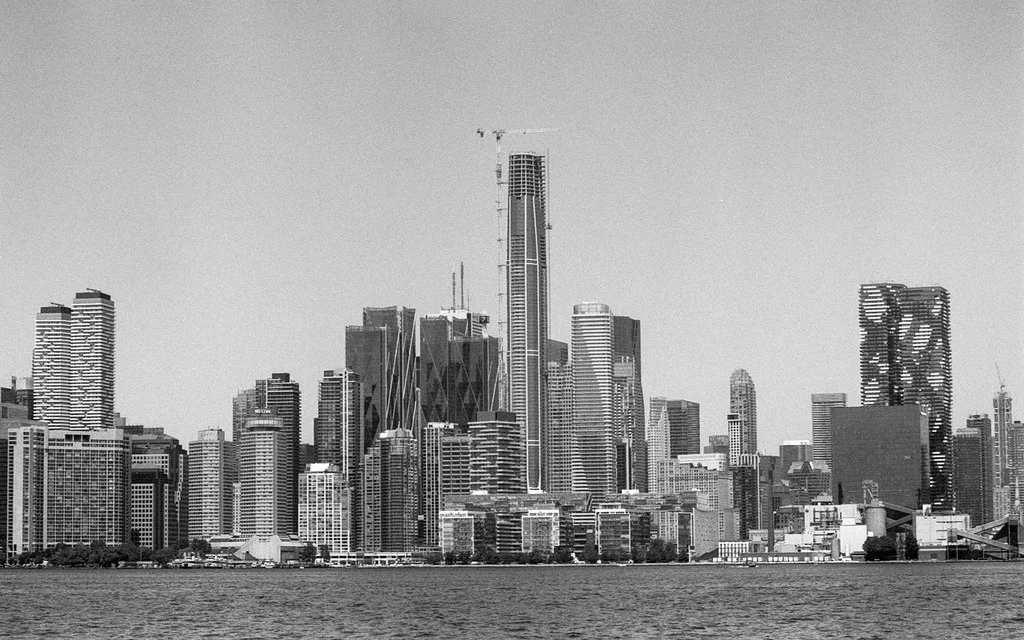
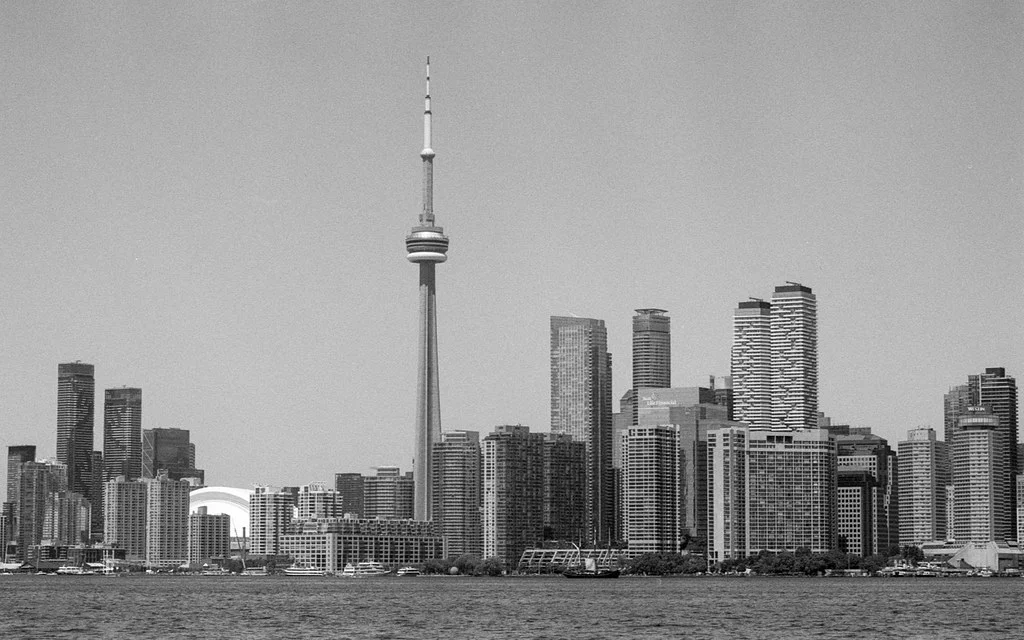
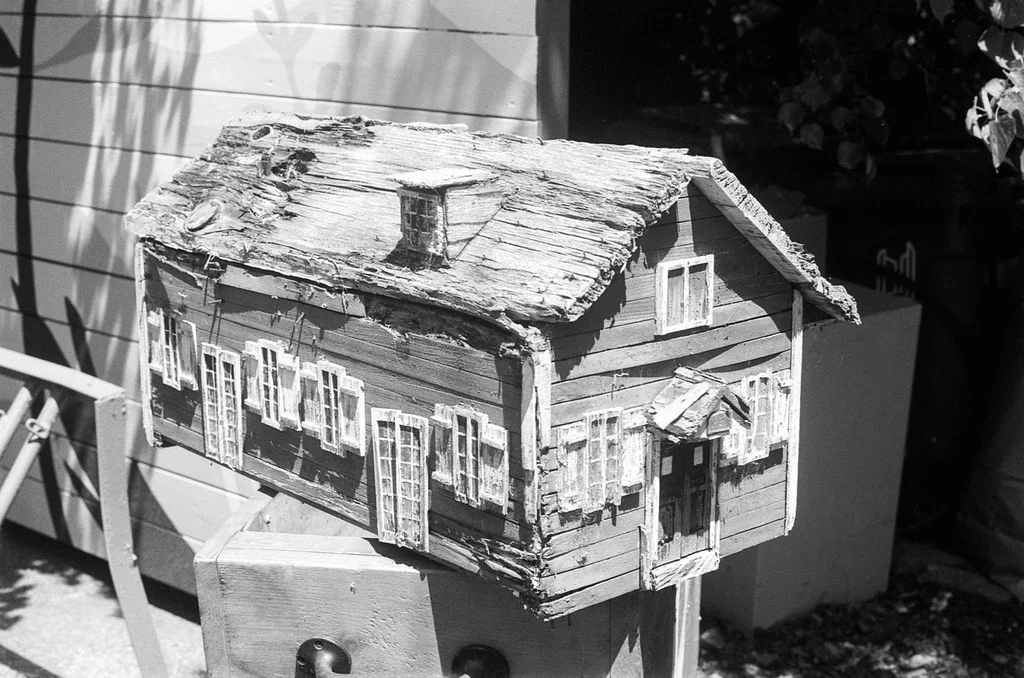
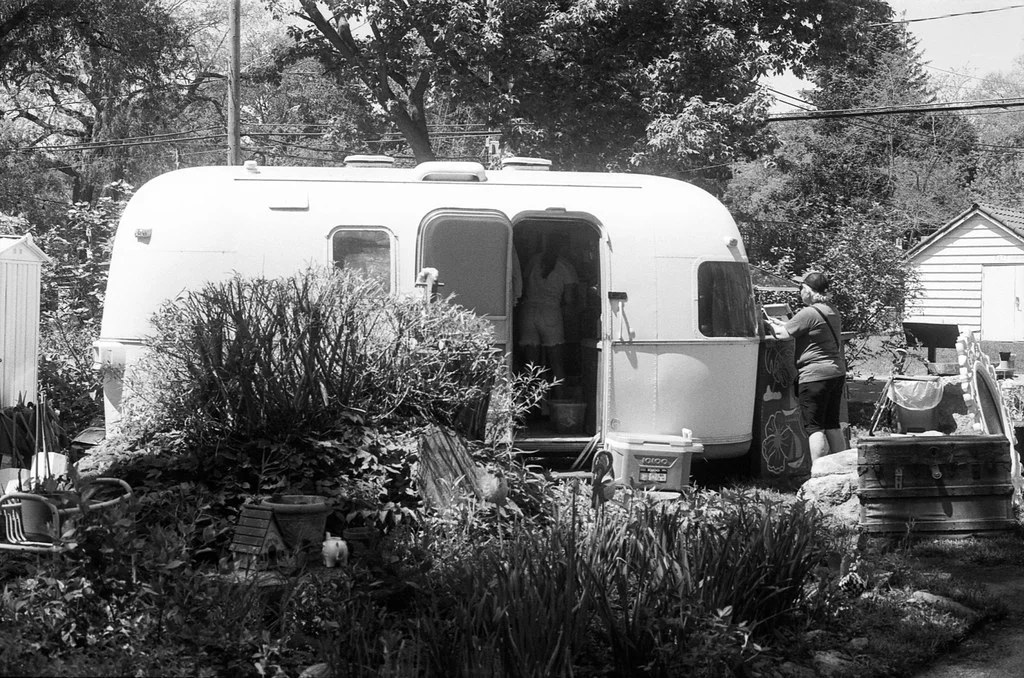
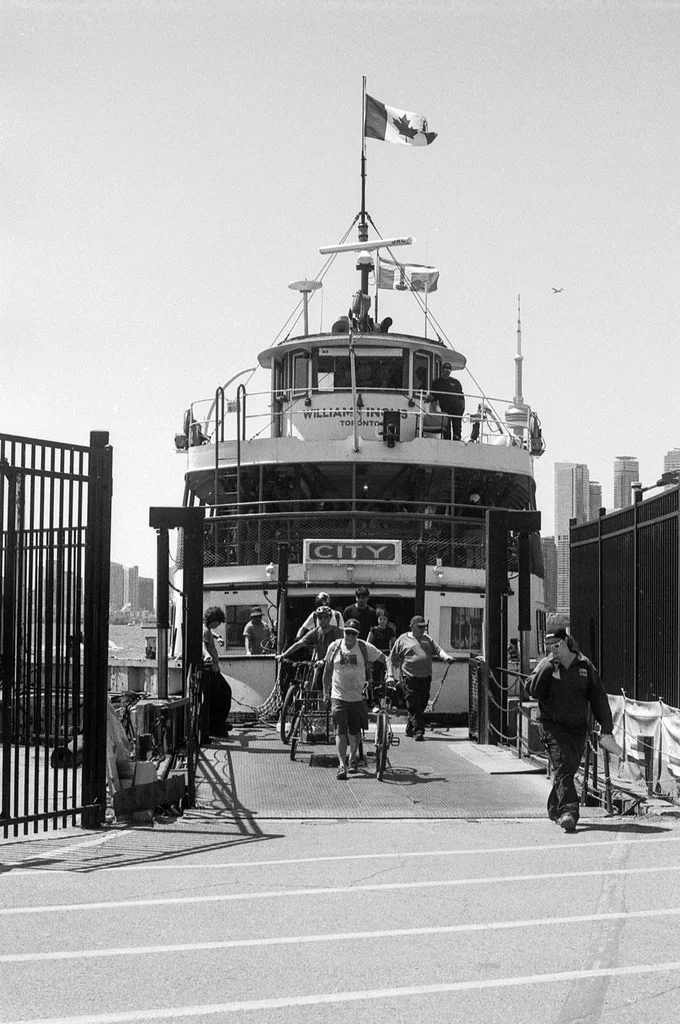
Explore the picturesque Toronto Islands, capturing stunning scenes with an Olympus OM-2n while reflecting on the area’s rich history and community.
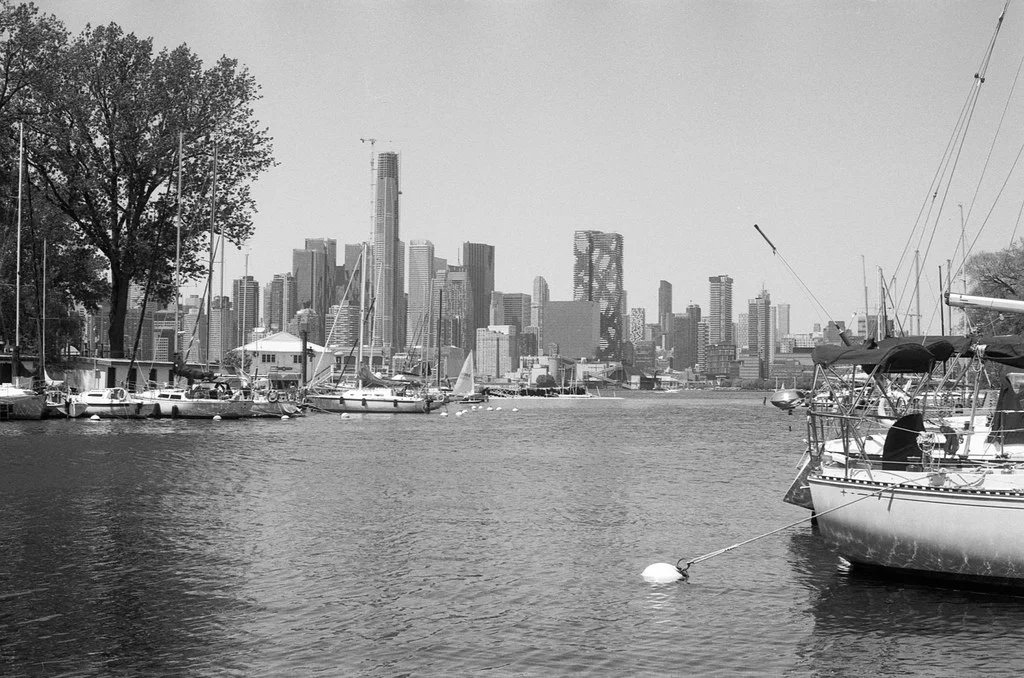
Taking a day trip to the Toronto Islands is akin to stepping into a serene oasis away from the urban hustle of Toronto. However, returning to the bustling Ward's Island Ferry Dock at the end of the day can feel quite jarring as hordes of visitors flock to the islands. This juxtaposition of tranquility and chaos underscores the Islands' appeal, which serves as a refuge and a site of community history.
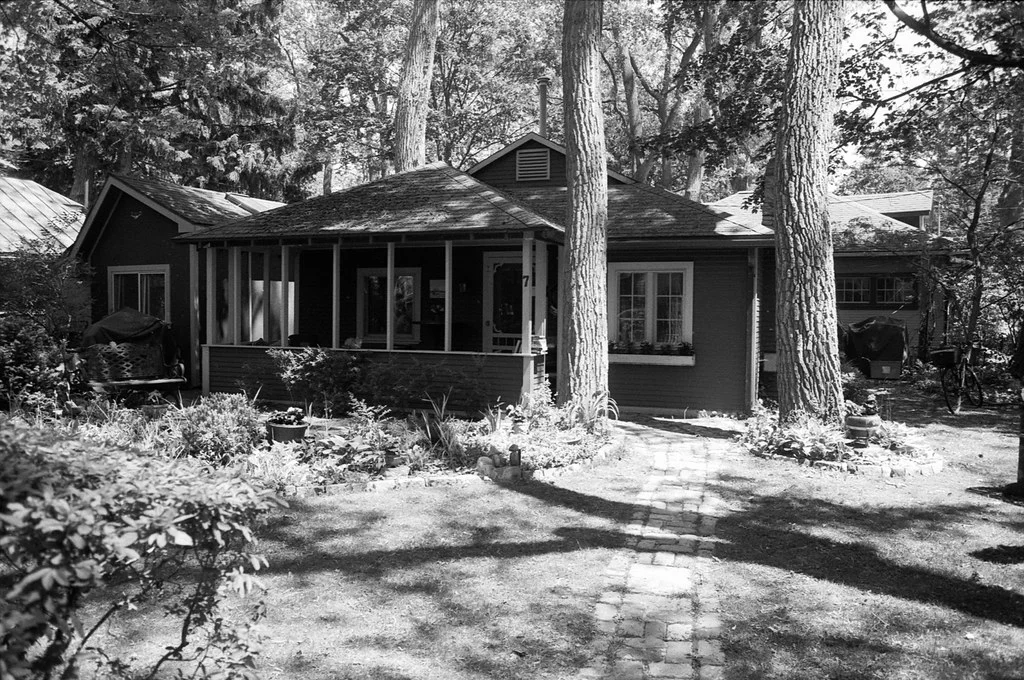
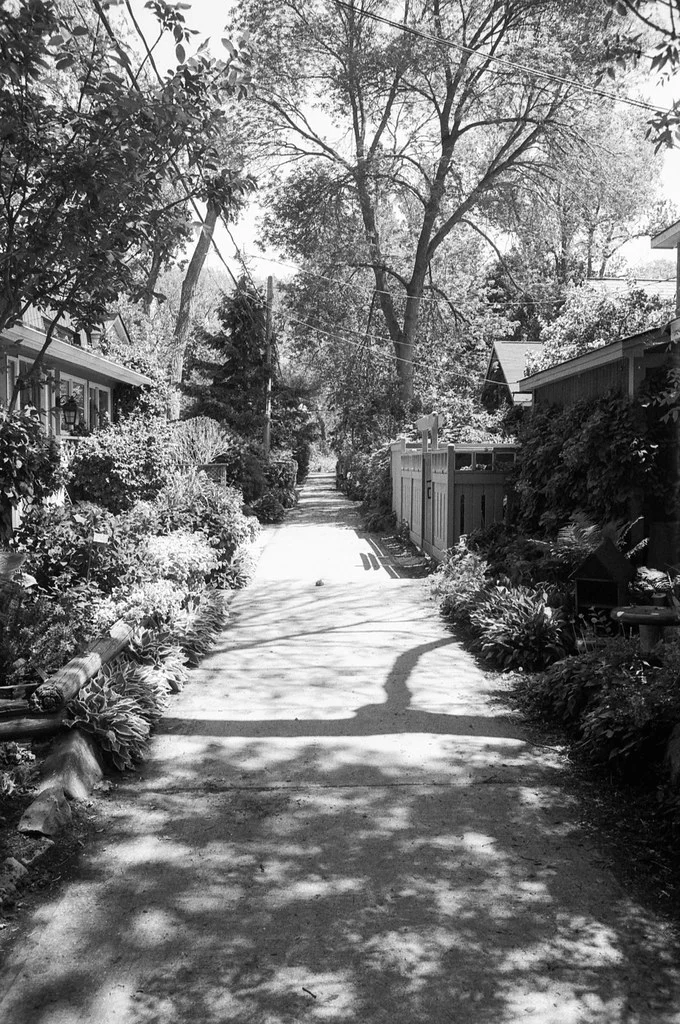
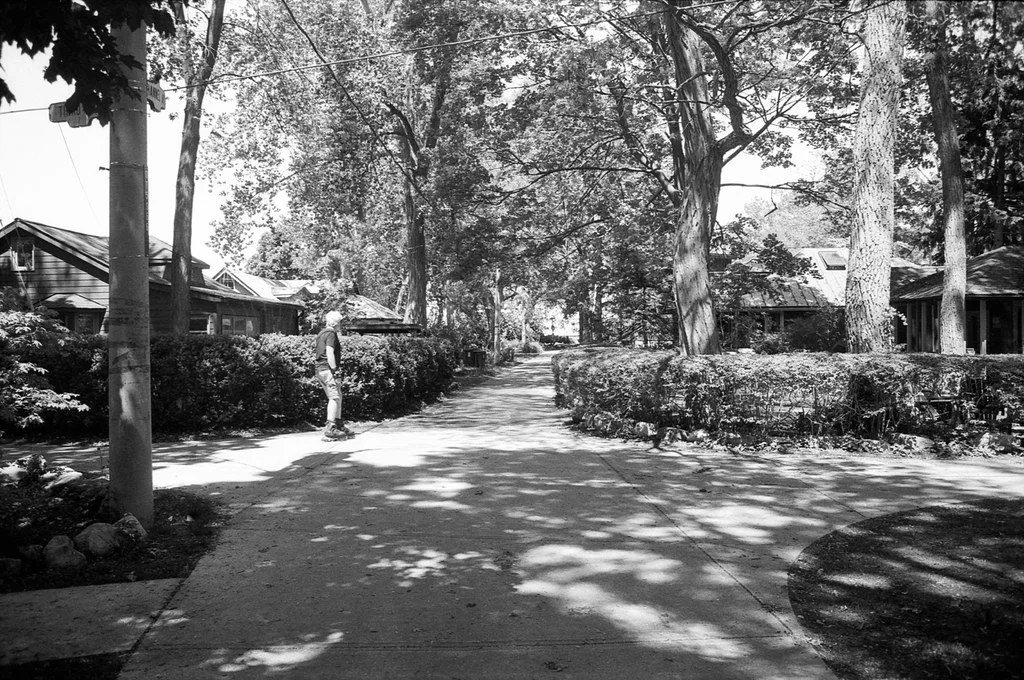
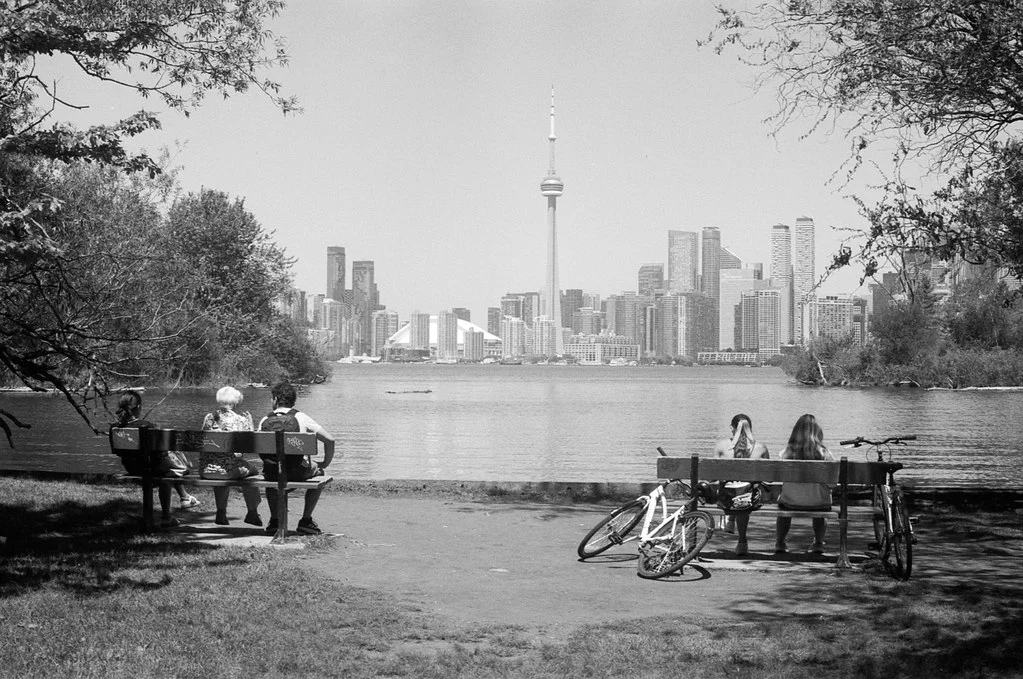
The Toronto Islands are remnants of a larger community that faced displacement in the 1950s when the newly established Metro Toronto Government aimed to transform the area into an expansive park. Despite the government's plans, both Algonquin and Ward's Islands have maintained their identities as car-free, vibrant residential communities. This unique characteristic not only enhances the tranquility of the islands, making them perfect for photography but also preserves a significant historical footprint of Toronto’s evolution. Interestingly, the Toronto Maple Leafs’ stadium once resided on the islands, and Babe Ruth played there before becoming a legend with the New York Yankees, adding a historical layer to your photographic storytelling.
Camera Gear in Action
On this excursion, I relied on my trusted Olympus OM-2n camera, which has consistently proven its worth throughout numerous projects. The OM-2n is a highly regarded camera among film enthusiasts, offering reliable performance and ample functionality. To complement my shooting, I opted for the MC Zuiko 65-200mm F4 Zoom lens. While this lens doesn't see frequent use in my work, its versatility is something I aim to tap into more, especially for capturing the dynamic scenes the islands offer.
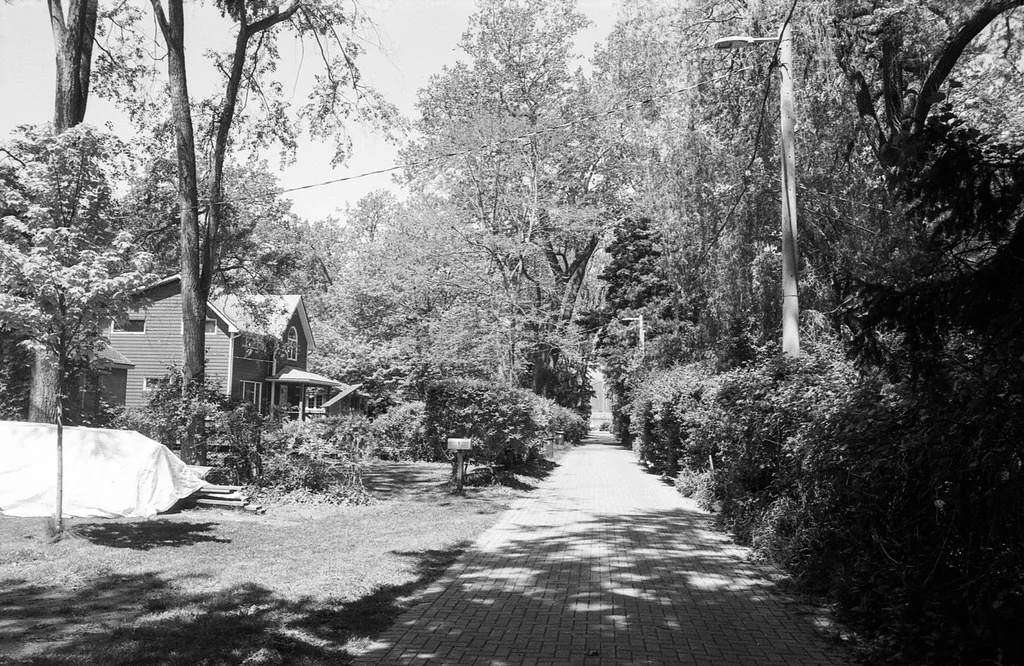
Using film, specifically Fomapan 200 Creative and processed in 510 Pyro 1+100, yields rich, textured images that digital formats often struggle to replicate. The choice of film plays a critical role in defining the mood of each photograph. Fomapan 200 provides a wide tonal range, ensuring details are preserved both in highlight and shadow areas, which is crucial when photographing landscapes or architecture in varying light conditions.
Photography Techniques and Composition
While shooting on the islands, I focused on using natural light to enhance the beauty of my subjects. During mid-afternoon, the light can be very harsh; however, careful composition helps to mitigate this challenge. Here are some techniques I utilized:
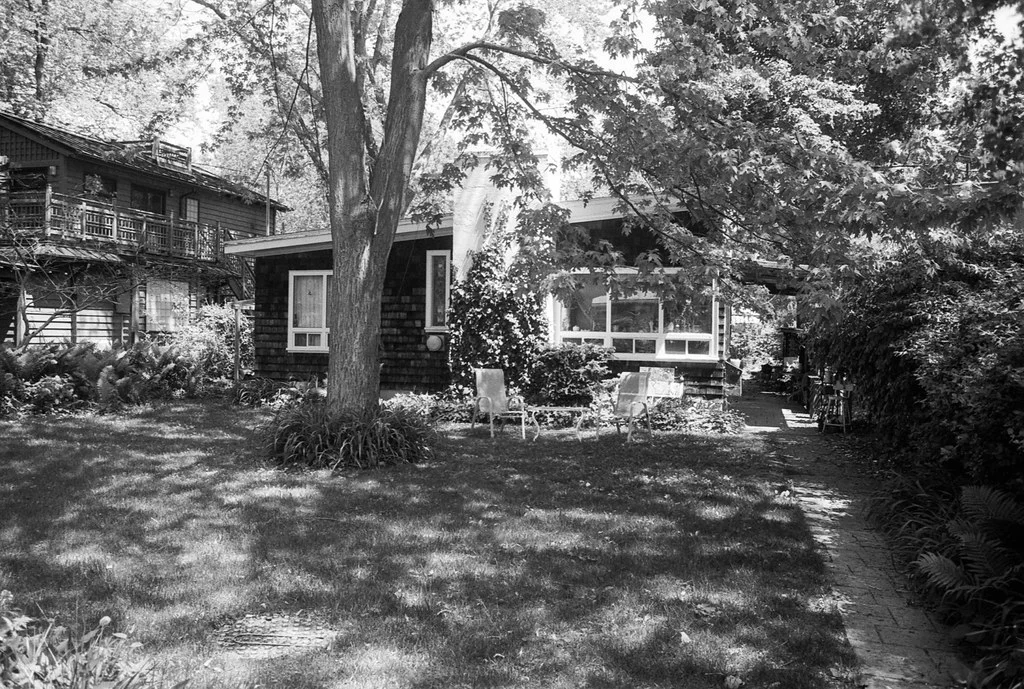
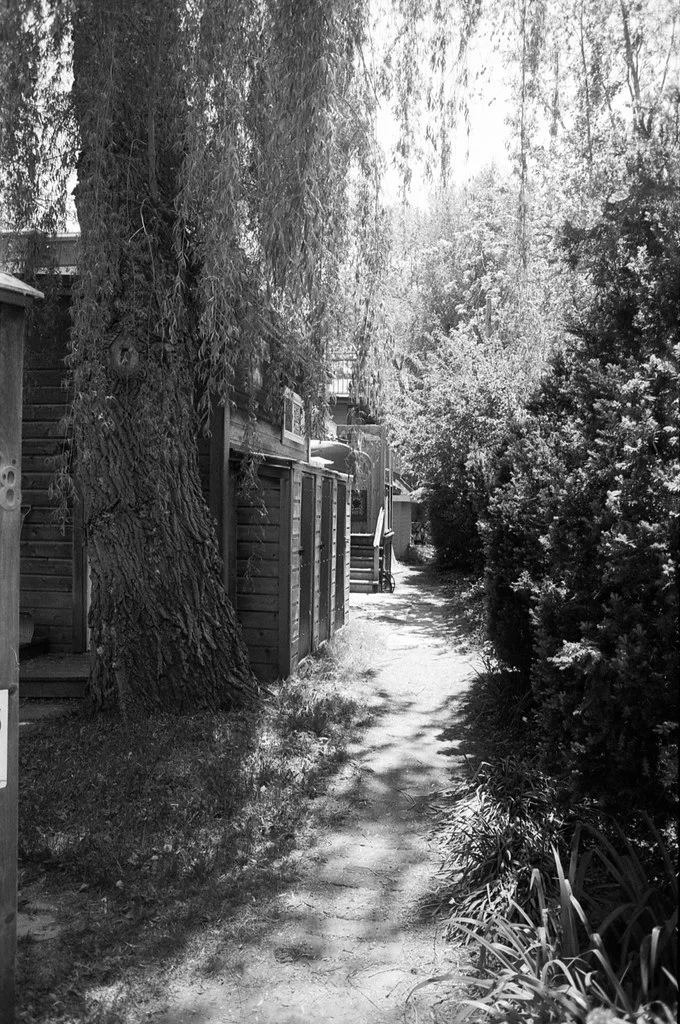
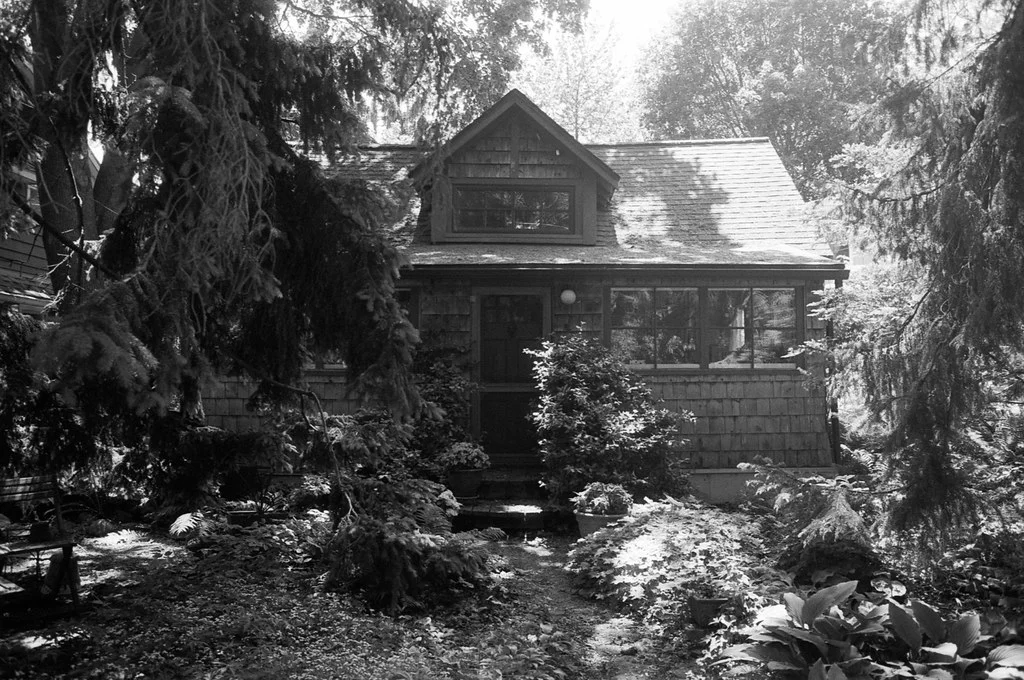
- Finding Shade: When the sun was too bright, I sought shaded areas created by trees or the structures of cottages. This approach not only softened the light but also added interesting textures without the stark contrasts that direct sunlight can bring.
- Incorporating Leading Lines: The pathways and bridges around the Toronto Islands make excellent leading lines. One particularly stunning shot captures the bridge leading towards Algonquin Island, guiding the viewer's eye through the scene and providing depth.
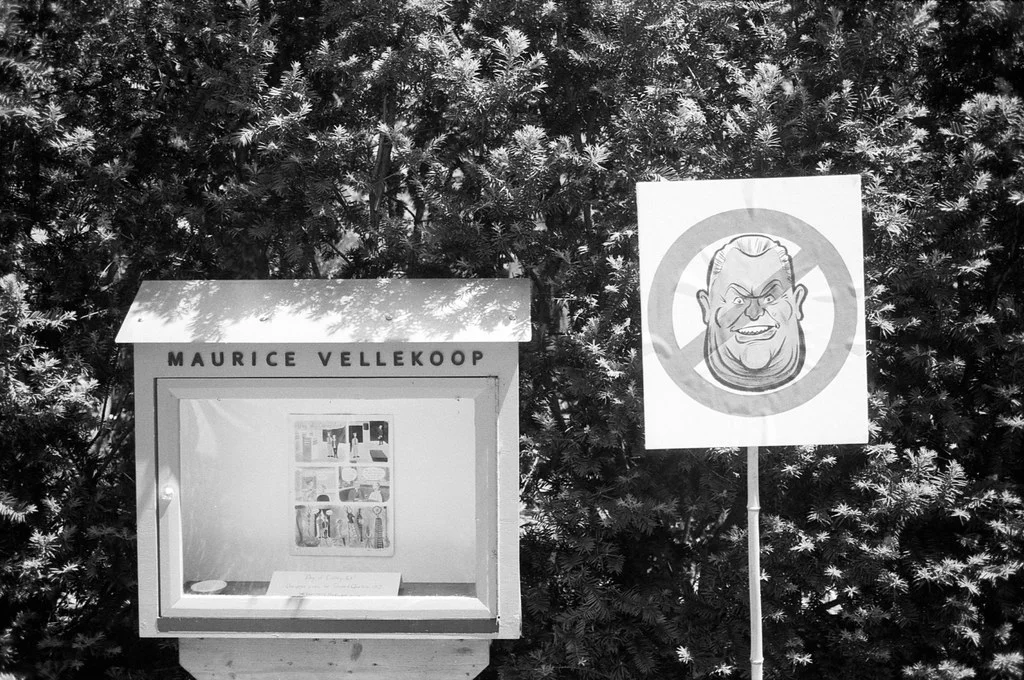
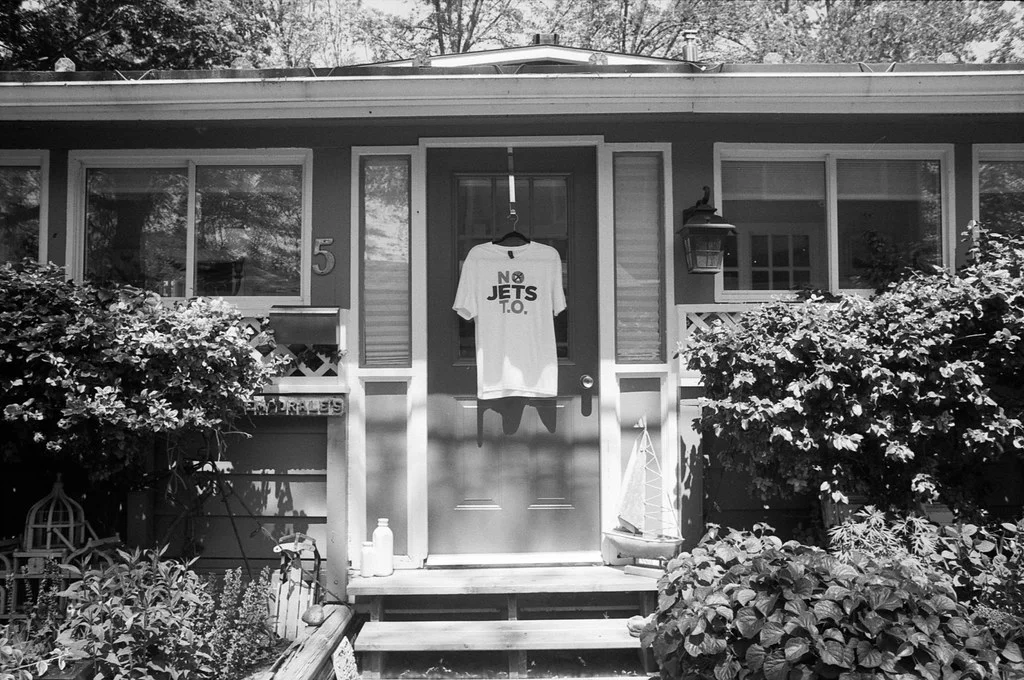
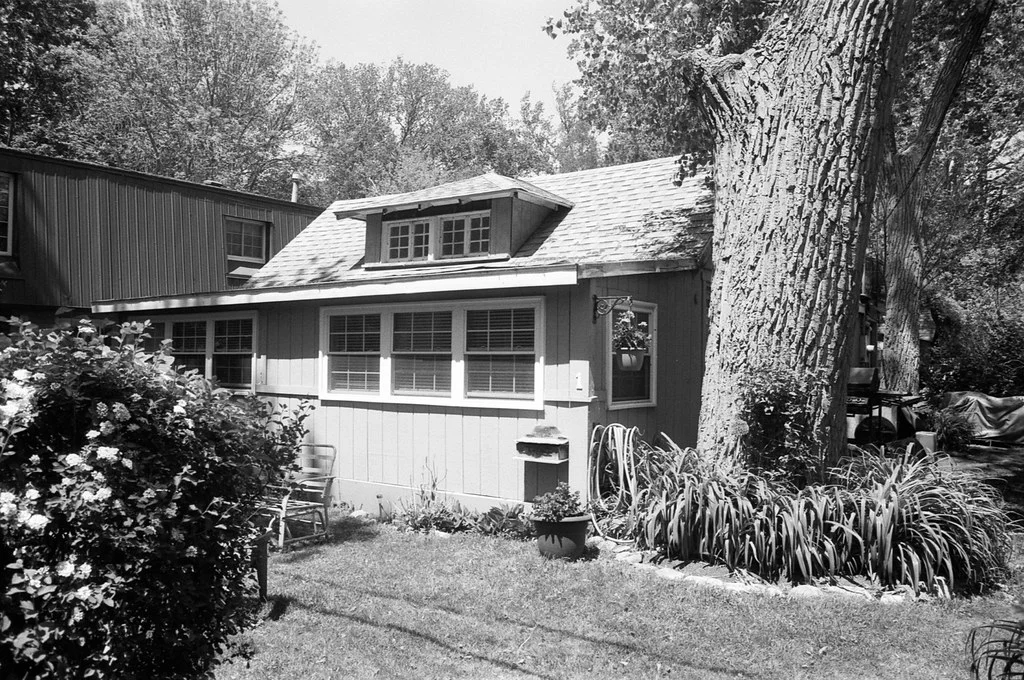
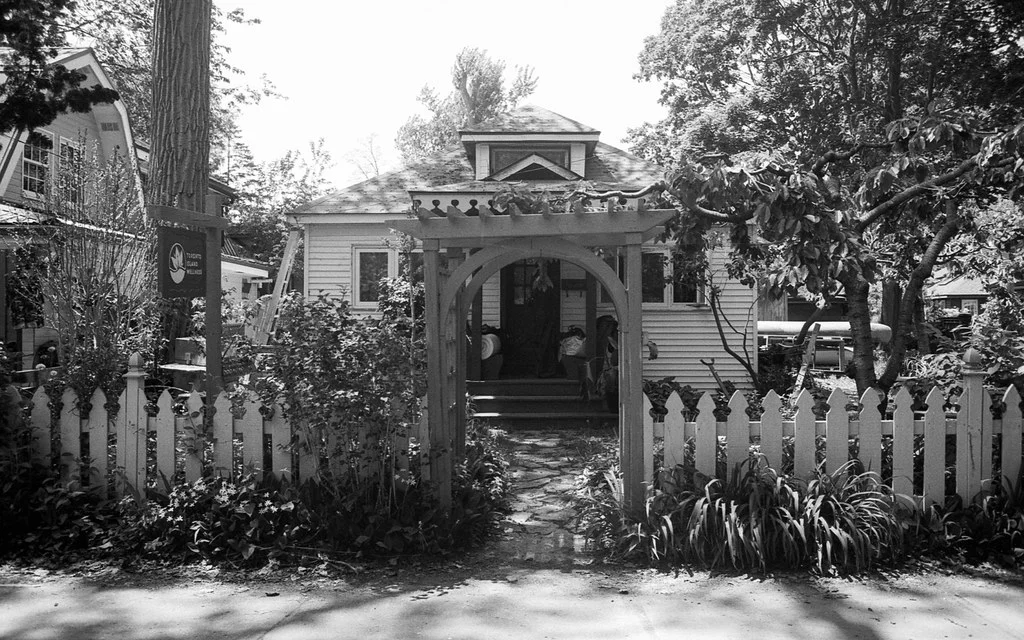
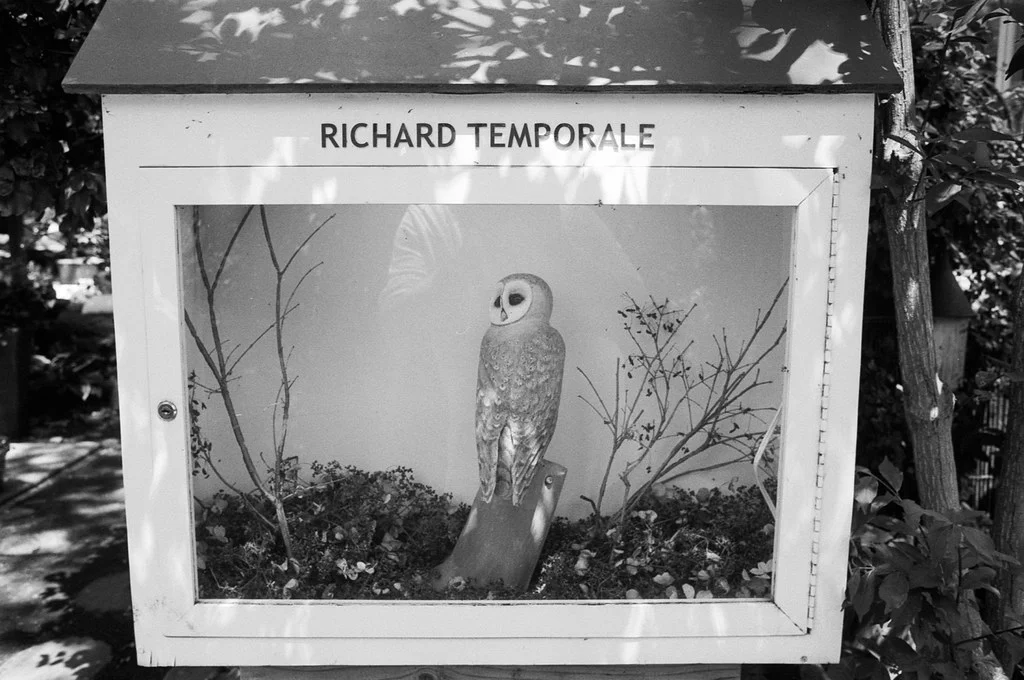
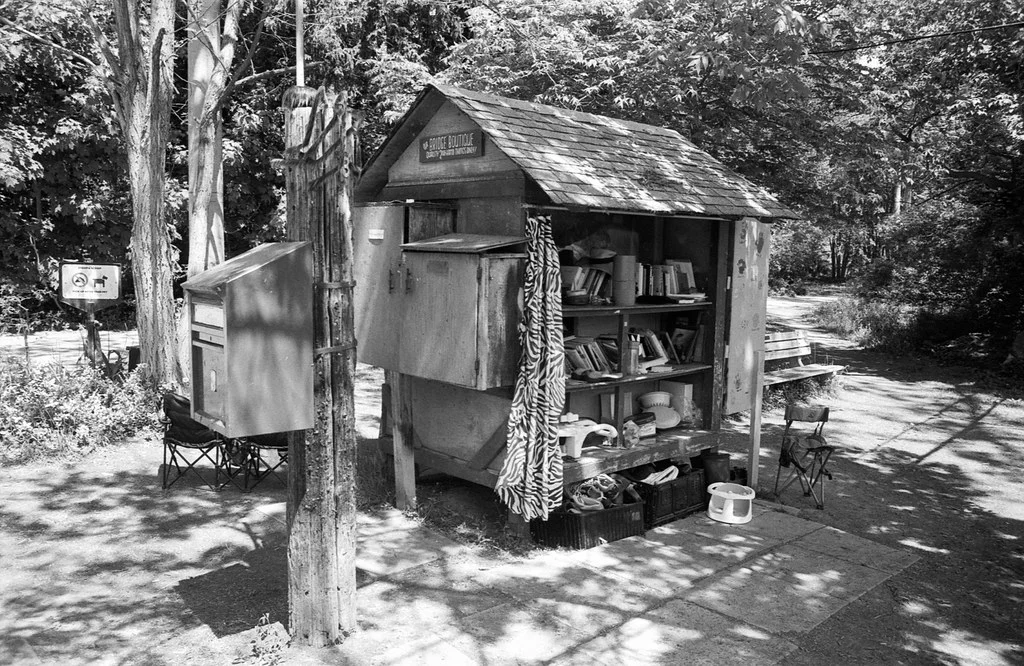
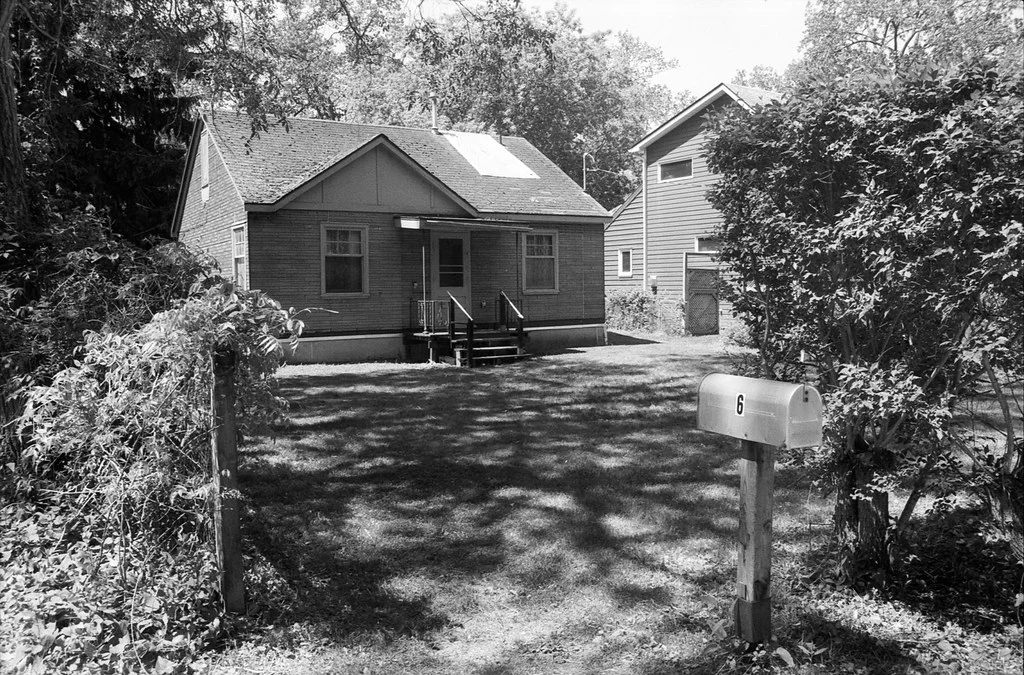
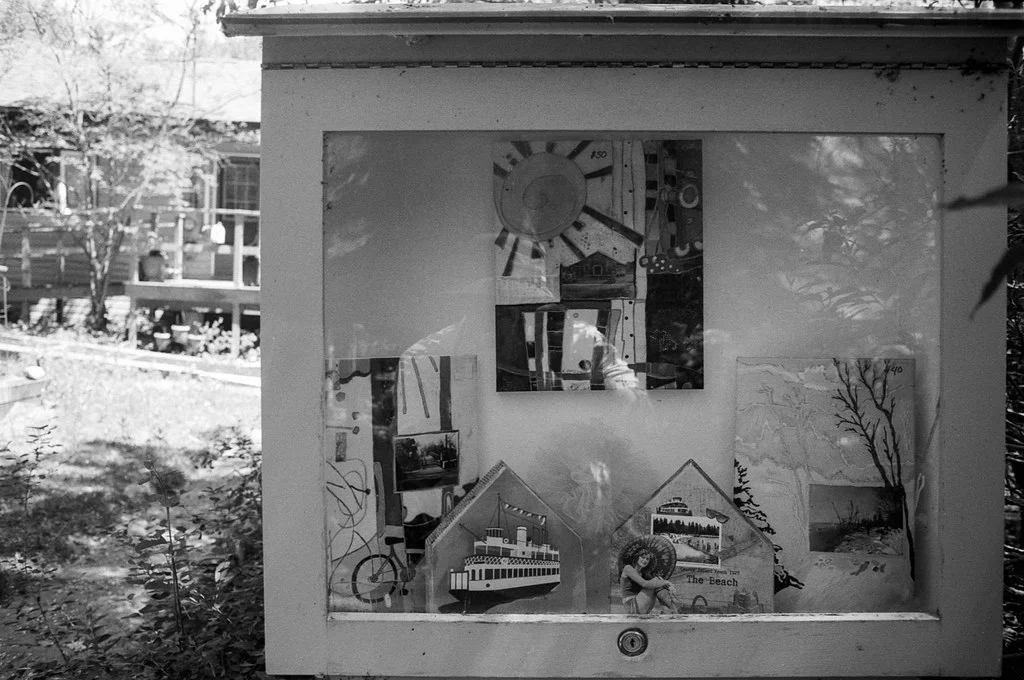
- Framing Subjects: I made it a point to frame my subjects—such as the charming cottages and wildlife installations—using the natural surroundings, which added context and interest to the images. Utilizing doorways or windows as frames can help direct focus and make for more engaging compositions.
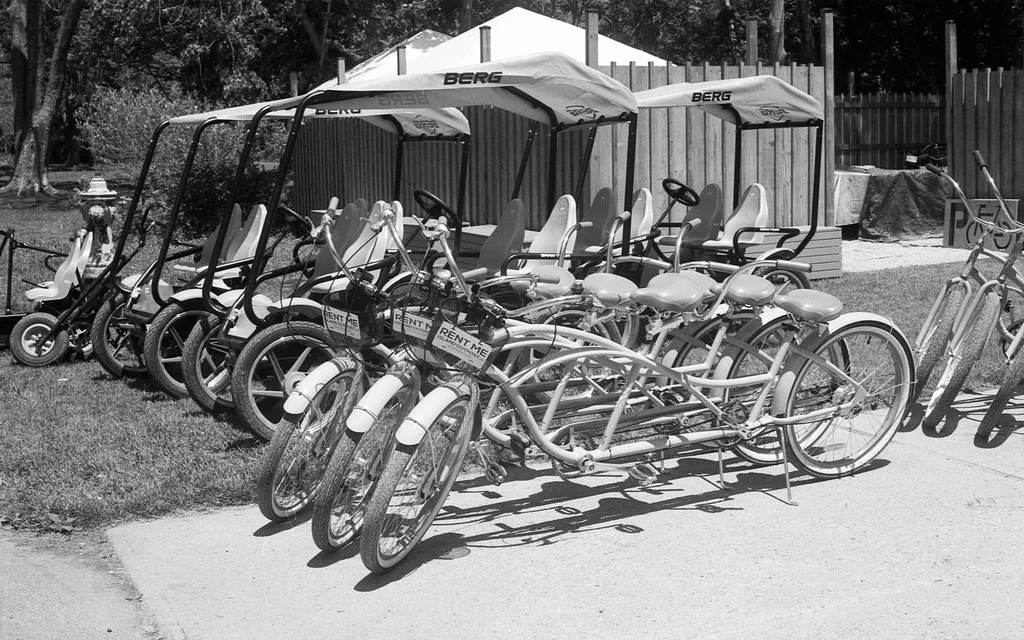
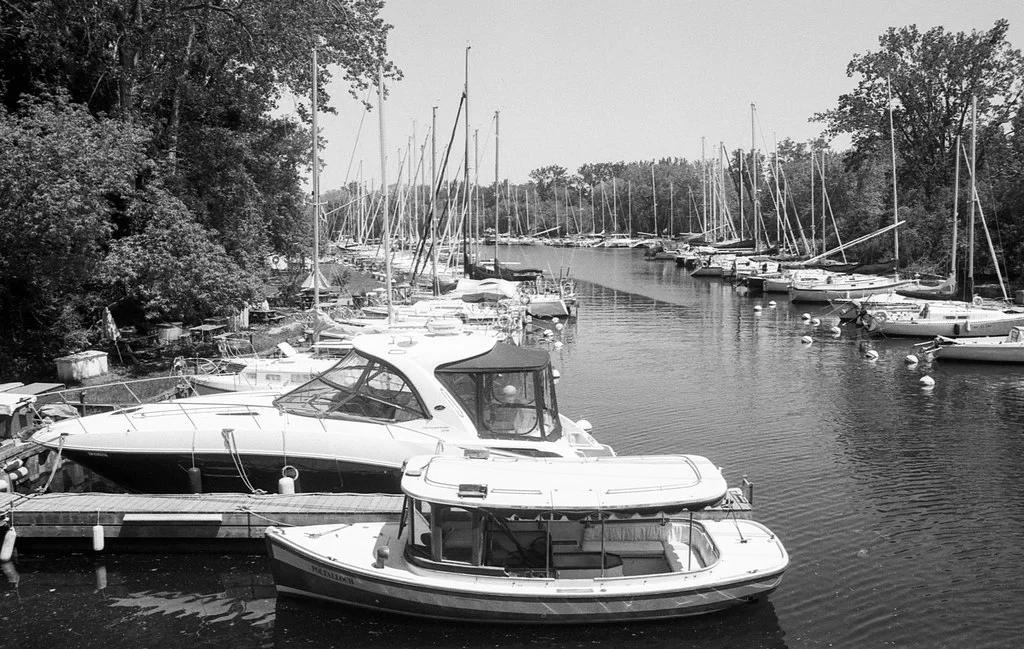
As I traveled through the islands, I captured an array of subjects from kayakers enjoying the water to picturesque cottages adorned with quirky art installations. The challenge was to engage with each subject meaningfully, documenting not just their visual appeal but also the stories they tell about the community living there.
Reflections on the Journey
Ultimately, the trip to the Toronto Islands offered more than just a photographic opportunity; it became an exploration of a community steeped in history and resilience. Each frame I captured reflected the spirit of this unique locale, intertwining natural beauty with narratives of the past. For photographers and filmmakers alike, such experiences can inspire deeper connections to the subjects we document. The Toronto Islands serve as a reminder that behind every photograph lies a story—whether it’s the echo of a bygone era or the joyful laughter of today’s visitors enjoying the idyllic surroundings.
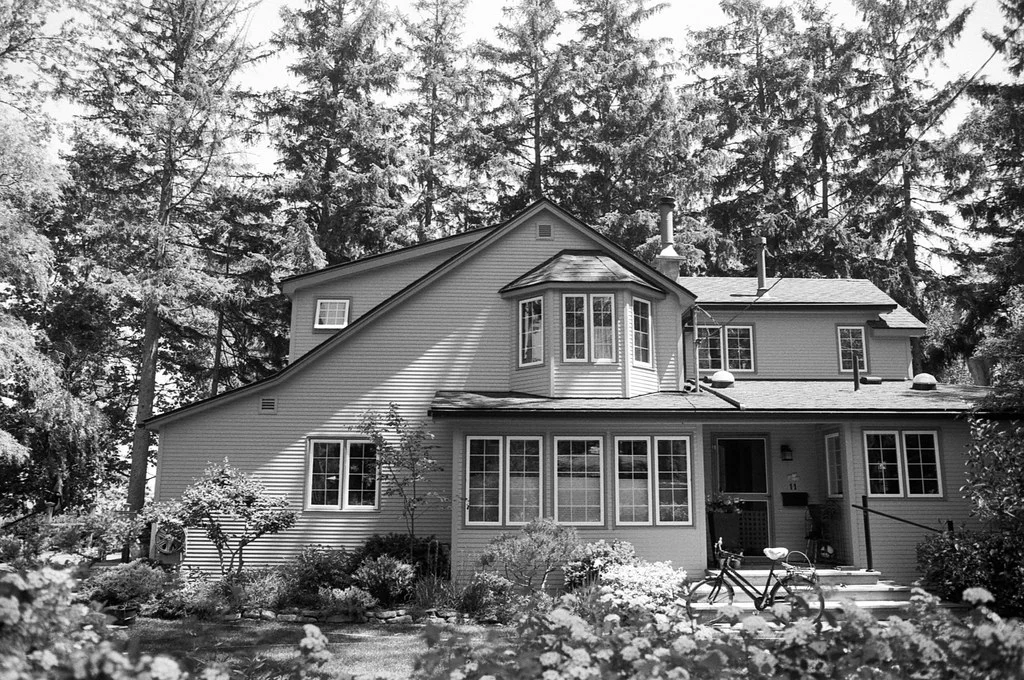
Check out the following photographs from my journey to get a sense of the visual narrative:

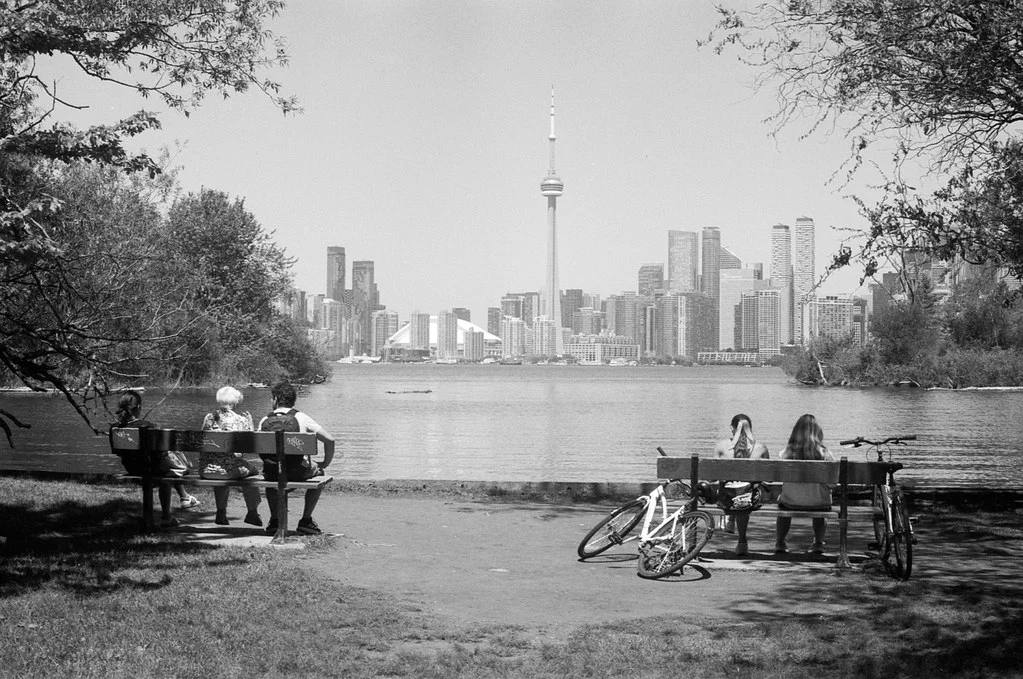
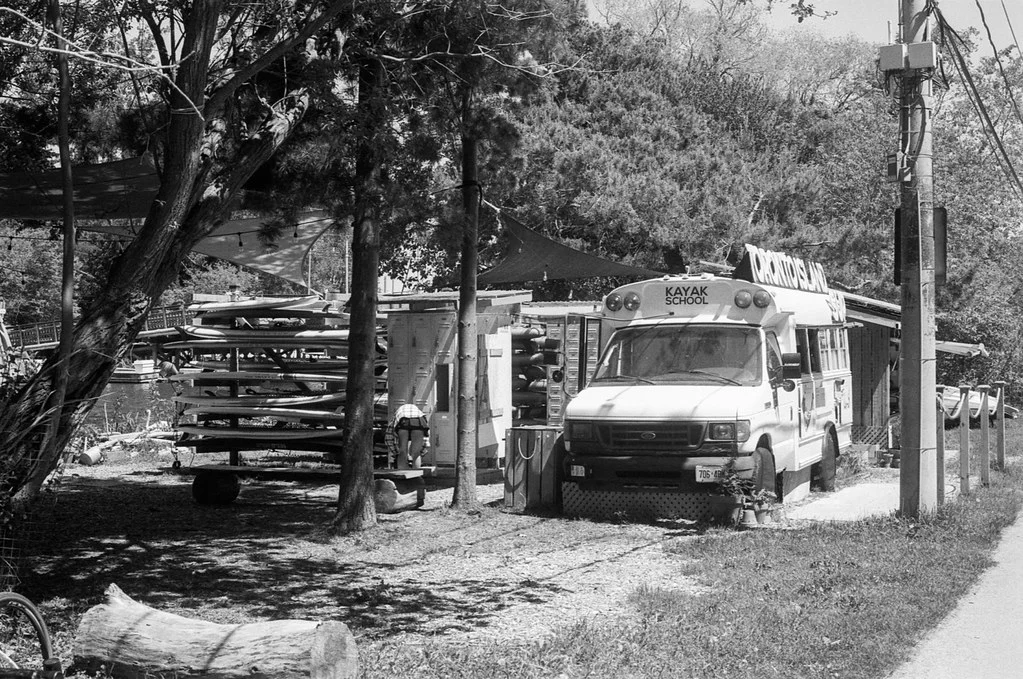

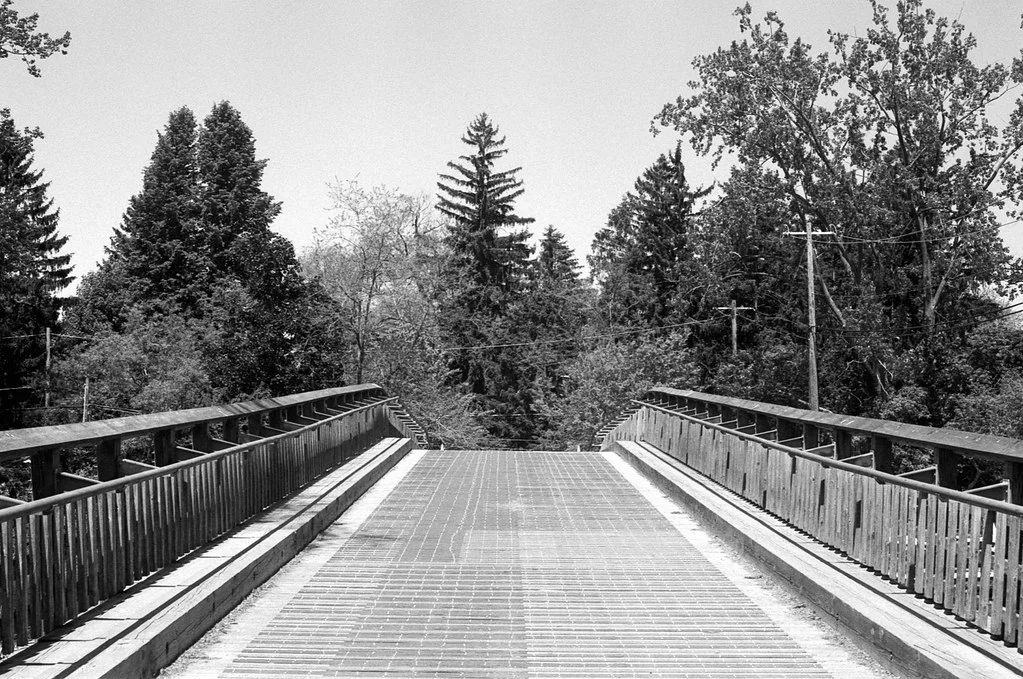
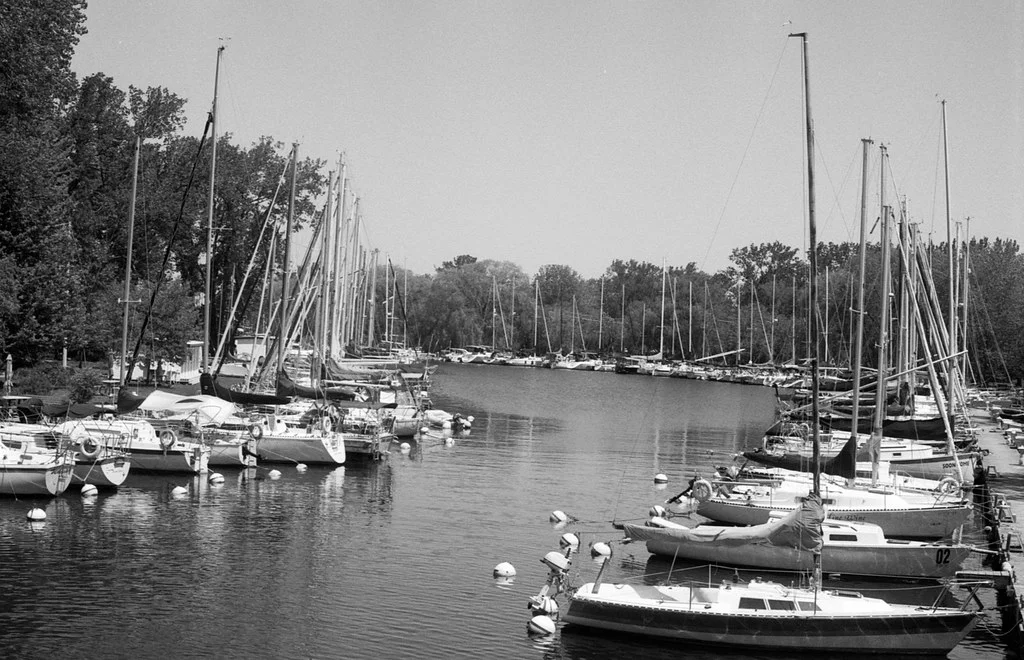
My visit to the Toronto Islands has reignited a passion for using my vintage camera gear and illuminated the beauty inherent in documenting our world, reinforcing the idea that the essence of photography lies in capturing not just what we see, but also what we feel.